
Why Ragdoll Cats Go Limp: The Real Reason Behind Their Floppy Behavior
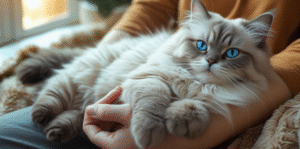
Ragdoll cats are famous for one unique behavior—they often become completely limp when picked up. This soft, relaxed posture inspired their name, because they behave just like a ragdoll toy. But what makes Ragdolls “flop” in the first place? The answer lies in a mix of genetics, temperament, and selective breeding that shaped the breed over decades.
What Is the “Flop” Behavior?
When lifted, a Ragdoll cat relaxes its body fully, allowing its legs to drop as it releases muscle tension. Unlike other breeds that stiffen up or jump away, Ragdolls show trust, comfort, and confidence by becoming limp.
The History Behind This Unique Trait
The Ragdoll breed began in the 1960s when breeder Ann Baker noticed a cat named Josephine with extremely gentle and relaxed behavior. Her kittens shared the same soft temperament, and breeders continued selecting cats with these traits. Over time, floppiness became a signature characteristic of the breed.
Is the Floppiness Genetic?
Yes. Selective breeding passed down several traits:
- Very low aggression
- High tolerance to being handled
- Strong bonding with humans
- A calm response to being picked up
Although many Ragdolls go limp, the behavior can vary based on:
- Individual personality
- Mood or stress level
- Age
- How comfortable the cat is with the handler
The Biggest Reason: Trust
A Ragdoll going limp is a powerful sign of trust and safety.
Most cats feel vulnerable when lifted, so they tense up. Ragdolls, however, feel secure around their humans and relax their muscles naturally.
Why Trust Plays a Major Role
- They feel safe in your arms
- They enjoy human closeness
- They are naturally gentle and affectionate
Do Ragdolls Have Weak Muscles?
No. Ragdolls do not have weak muscles or medical issues. They can run, jump, and play normally. Their floppiness is purely a behavioral response linked to comfort and genetics.
Comparison Table: Ragdoll Cats vs Regular Cats
| Behavior Type | Ragdoll Cats | Regular Cats |
|---|---|---|
| Reaction when picked up | Often go limp and relaxed | Tense muscles or try to escape |
| Attachment to humans | Very high | Moderate |
| Temperament | Calm, gentle | Varies widely |
| Handling tolerance | Excellent | Depends on the cat |
| Vocal nature | Soft, sweet | Can be very loud or quiet |
Why Ragdolls Make Great Family Pets
Ragdolls are popular because of their:
- Friendly, people-loving personality
- Gentle and calm behavior
- Good nature with children
- Adaptability to indoor lifestyles
- Love for cuddles and attention
How to Care for a Ragdoll Cat
- Brush regularly to prevent tangles
- Give daily affection—they love human company
- Provide toys and climbing structures
- Keep them indoors—they are too trusting to stay safe outside
- Schedule regular vet checkups
Conclusion
The famous “floppy” behavior of Ragdoll cats comes from a beautiful mix of genetics, calm temperament, and trust. Their gentle personality and strong bond with humans make them one of the most affectionate breeds in the world. Whether you’re looking for a loving family pet or a companion that enjoys cuddles, the Ragdoll is truly one of a kind.