Why Flamingos Are Naturally Pink: The Colorful Science Explained
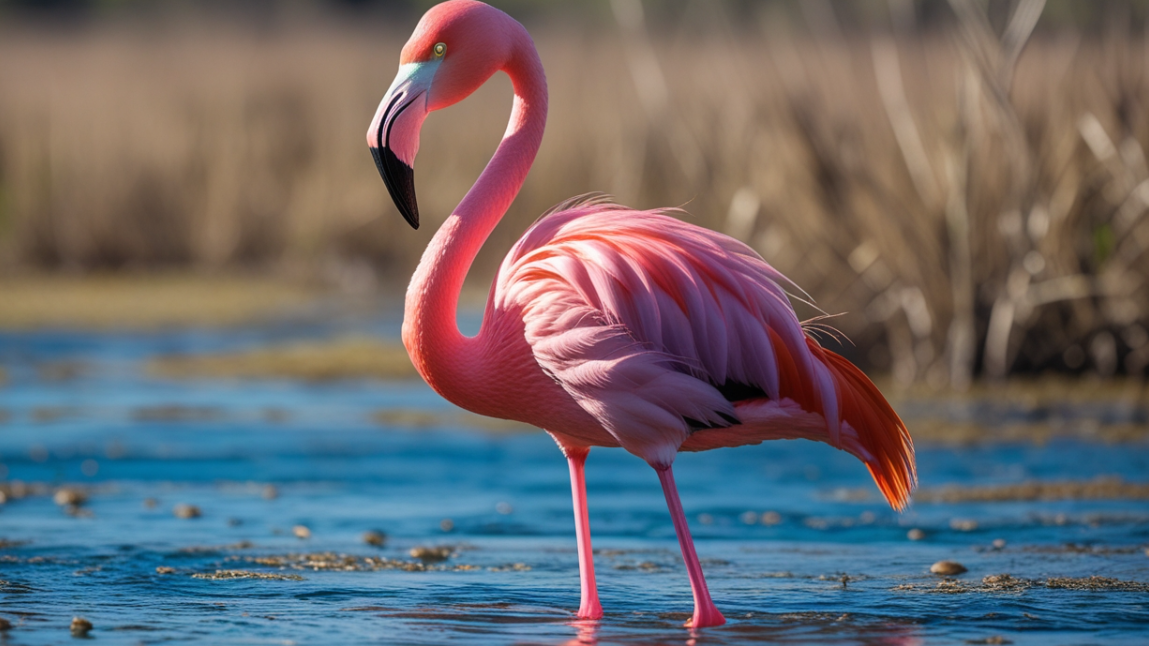
Flamingos are admired globally for their vibrant pink feathers, long legs, and elegant stance. However, many people are surprised to learn that flamingos are not born pink. They hatch with grey or white feathers. Their transformation into bright pink birds is a remarkable example of how diet and biology work together in nature.
2. The Diet That Colors Them
Flamingos feed on a special blend of tiny organisms found in shallow lakes, wetlands, and coastal lagoons.
The Major Color Sources:
- Algae
- Small crustaceans like brine shrimp
- Plankton rich in natural pigments
These foods contain carotenoids—the same pigments found in carrots, sweet potatoes, and leafy plants. When flamingos digest these pigments, their bodies break them down and store them in their feathers, skin, and beak, slowly giving them their signature pink shade.
3. Carotenoids Explained
Carotenoids are organic pigments responsible for producing bright red, orange, and yellow colors in many plants and animals.
Carotenoid Breakdown Table:
| Food Source | Carotenoid Type | Effect on Flamingo Color |
|---|---|---|
| Algae | Beta-carotene | Soft pink to orange shades |
| Brine shrimp | Canthaxanthin | Deep, rosy pink tones |
| Plankton | Astaxanthin | Strong reddish-pink color |
The richer their food is in carotenoids, the brighter a flamingo becomes.
4. Why Baby Flamingos Are Not Pink
Baby flamingos start life with greyish-white down feathers because they are not yet consuming or processing carotenoids.
How They Change:
- Begin eating pigment-rich foods
- Pigments slowly accumulate in their bodies
- Pink color develops over months or years
Their transformation is gradual, like adding color to a blank canvas.
5. Why Flamingos Need Pink Feathers for Survival
Flamingo pinkness is more than beauty—it plays a major role in their social and biological success.
Survival Reasons:
- Attractiveness: Bright pink birds are preferred during mating seasons.
- Health indicator: A deeper shade signals a better diet.
- Strength: Vibrant flamingos often dominate feeding areas.
A richer color often increases reproductive success.
6. How Environment Affects Their Color
Not all flamingos appear equally pink. Some look pale or nearly white depending on their habitat and food availability.
Factors That Change Their Shade:
- Amount of algae in water
- Availability of brine shrimp
- Cleanliness of habitat
- Stress or illness
- Living in the wild vs. captivity
Zoos often provide flamingos with carotenoid-rich pellets to help them maintain their natural bright color.
7. A Scientific Marvel: The Filter-Feeding Technique
Flamingos have an amazing feeding style that helps them collect carotenoid-rich foods efficiently.
How Their Feeding Works:
- Place their beaks upside down in water
- Use a built-in filtering system
- Separate mud and water from tiny organisms
- Feed with slow, rhythmic head movements
This specialized feeding method is directly responsible for their iconic pink coloration.
8. Conclusion: Nature’s Color Through Diet
Flamingos are pink because nature paints them through their diet, environment, and biological processes. From algae to tiny shrimp, every meal adds a little more color to their feathers. Their pink shade is not only beautiful but also a symbol of health, vitality, and survival.
So, the next time you see a flamingo glowing under the sun, remember: its stunning color is the result of thousands of tiny meals filled with powerful pigments that shape one of nature’s most recognizable birds.