Introduction
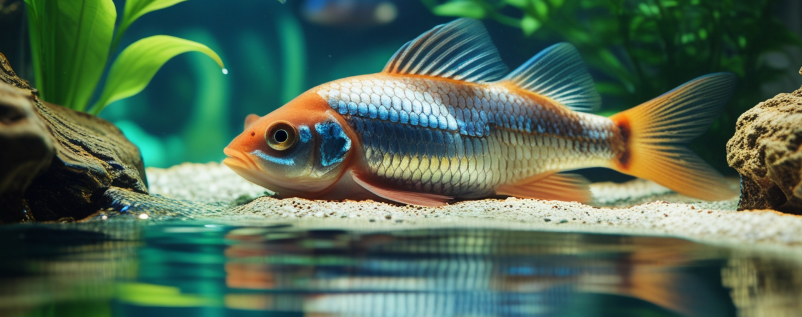
If you’ve ever sat quietly and watched your aquarium, you may have noticed something that feels a bit worrying at first. Your fish is just there—not swimming, not eating, barely moving at all. For new fish owners especially, this moment often brings panic. Is the fish sick? Is it stressed? Is something wrong with the tank?
In reality, this behavior is very common. Fish don’t rest the way dogs or cats do. They don’t lie down or close their eyes, so their version of rest can look strange to us. A fish staying still, hovering in one spot, or resting near the bottom or plants is often just taking a break.
Understanding why fish rest without moving helps owners feel calmer and more confident. Most of the time, this quiet moment is completely normal and nothing to fear.
What This Behavior Is About
Fish resting without moving is their way of saving energy.
Instead of sleeping deeply like humans, many fish enter a low-activity state. They reduce movement but stay alert to their surroundings.
It’s rest, not a problem.
Main Reasons Fish Rest Without Moving
Natural Rest and Sleep Cycles
Fish do rest.
Many fish slow down during certain times of day or night. Some hover in place, while others rest near the tank bottom or decorations.
This is their version of sleep.
Energy Conservation
Swimming constantly uses energy.
When fish are not actively eating or exploring, they often pause to conserve strength. This is especially common after feeding.
Rest helps balance their energy.
Feeling Safe in Their Environment
Fish rest more when they feel secure.
If your tank has plants, rocks, or hiding spots, fish may stop moving there because they feel protected.
A calm fish is often a comfortable fish.
Water Temperature and Comfort
Temperature affects activity.
In slightly cooler water, many fish naturally slow down. They rest more to match their comfort level.
This doesn’t mean something is wrong.
Habit and Species Behavior
Some species rest more than others.
Bottom-dwellers, slow swimmers, and shy fish often appear still for long periods. This is part of their normal behavior.
Every fish has its own routine.
Is This Normal or Something to Worry About?
In most cases, it’s completely normal.
If your fish rests but still eats, swims occasionally, and looks healthy, there’s usually no issue. Resting alone is not a warning sign.
Concern only arises if the fish stays motionless all the time and shows other changes.
What Fish Owners Can Learn or Do
Observation is key.
Watch patterns instead of single moments. Learn when your fish is most active and when it rests.
Make sure the tank is calm, clean, and has hiding spots. A peaceful environment encourages healthy rest.
Common Myths vs Reality
Myth: Fish that stop moving are sick
Reality: Resting is normal behavior.
Myth: Fish should swim constantly
Reality: Continuous swimming would exhaust them.
Myth: Resting fish are bored
Reality: They are simply conserving energy.
Myth: Still fish are unhappy
Reality: Often, they feel safe enough to rest.
Frequently Asked Questions
Do fish sleep like humans?
No, but they do rest in low-activity states.
Why does my fish rest at the bottom?
Many species naturally rest there.
Should I disturb a resting fish?
No, let it rest peacefully.
Conclusion
Fish resting without moving is a natural and healthy behavior. It’s their way of recharging, conserving energy, and staying balanced in their environment. While it may look unusual to human eyes, it’s simply part of how fish live and function.
As a fish owner, learning to recognize normal rest helps reduce unnecessary worry. By observing patterns and providing a calm, safe tank, you allow your fish to rest when they need to. Sometimes, stillness isn’t a sign of trouble—it’s a sign of comfort and calm beneath the water’s surface.