Introduction
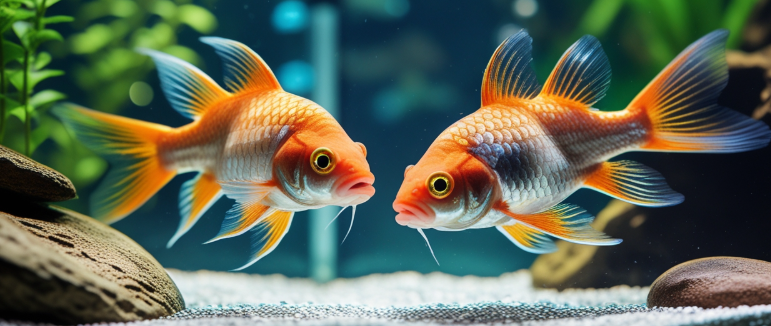
If you keep fish at home, this situation may feel very familiar. One day, your aquarium looks peaceful. Fish swim calmly, eat well, and seem to get along. Then suddenly, everything changes. One fish starts chasing others, nipping fins, or guarding one spot like it owns the whole tank. It can be confusing and stressful to watch, especially if the fish was calm before.
Many fish owners immediately worry that something is seriously wrong. Some blame the fish’s personality, while others think it’s sickness or “bad behavior.” In reality, sudden aggression in fish usually has simple causes linked to their environment and natural instincts.
Understanding why fish become aggressive all of a sudden helps you react calmly instead of panicking. Most of the time, it’s your fish trying to communicate discomfort, stress, or a natural need in the only way it knows how.
What This Behavior Is About
Sudden aggression in fish is a response, not a personality change.
Fish don’t act out of anger or jealousy. When they become aggressive, it’s usually their way of reacting to changes around them.
The behavior often means something feels “off” in their space.
Main Reasons Fish Become Aggressive Suddenly
Changes in Tank Environment
Fish are very sensitive to change.
Even small shifts like rearranging decorations, changing water too quickly, or adding new items can cause stress. When stressed, some fish react by becoming territorial or defensive.
Their home no longer feels familiar.
Overcrowding in the Tank
Too many fish in one space can create tension.
When fish feel crowded, they compete for swimming room, hiding spots, and food. This pressure can lead to chasing and fighting, especially among fish that prefer personal space.
Crowding increases stress fast.
Introduction of New Fish
Adding a new fish can upset the balance.
Existing fish may see the newcomer as an intruder. Some will chase or bully to protect their territory.
This behavior often appears suddenly after a new addition.
Breeding or Mating Behavior
Some fish become aggressive during breeding periods.
They may guard eggs, nesting areas, or chosen spots in the tank. Even peaceful fish can turn protective during this time.
It’s instinct, not meanness.
Hunger or Feeding Issues
Irregular feeding can cause aggression.
If fish feel they aren’t getting enough food, competition increases. Stronger fish may chase weaker ones away during feeding time.
Food stress leads to conflict.
Lack of Hiding Spots
Fish need places to retreat.
Without plants, caves, or decorations, weaker fish cannot escape dominant ones. This makes aggression more visible and frequent.
Safe spaces reduce tension.
Is This Normal or Something to Worry About?
In most cases, sudden aggression is normal.
It usually means the fish is reacting to stress, change, or instinct. However, constant fighting that leads to injuries should not be ignored.
Occasional chasing is normal. Continuous attacks are a sign something needs adjustment.
What Fish Owners Can Learn or Do
Observe before reacting.
Look for recent changes in the tank, such as new fish, décor movement, or feeding routines. Adding more hiding spots often helps reduce aggression quickly.
Maintain a steady routine.
Consistency makes fish feel secure and reduces stress-driven behavior.
Common Myths vs Reality
Myth: Aggressive fish are bad pets
Reality: Aggression is usually situational.
Myth: Fish fight for fun
Reality: They react to stress or instinct.
Myth: One aggressive fish ruins the tank forever
Reality: Small changes can restore balance.
Myth: Bigger tanks always stop aggression
Reality: Setup matters more than size alone.
Frequently Asked Questions
Can peaceful fish suddenly become aggressive?
Yes, stress or breeding can change behavior temporarily.
Will aggression stop on its own?
Sometimes, once fish adjust, behavior improves.
Should aggressive fish be removed immediately?
Only if others are getting injured.
Conclusion
Sudden aggression in fish can be surprising, but it’s rarely random. Most of the time, it’s caused by stress, environmental changes, crowding, or natural instincts like breeding or territory protection. Fish don’t have many ways to express discomfort, so their behavior becomes their message.
By paying attention to tank conditions and routines, fish owners can often reduce aggression without drastic action. A calm environment, enough space, and proper hiding spots go a long way. With patience and observation, harmony usually returns, and your aquarium can once again become the peaceful space you enjoyed before.