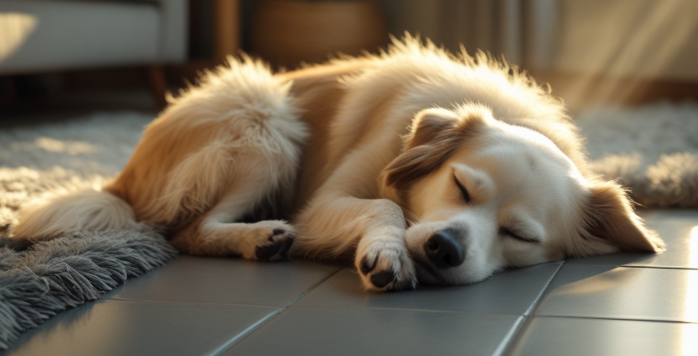

Why Dogs Prefer Certain Humans: Understanding Canine Favorites
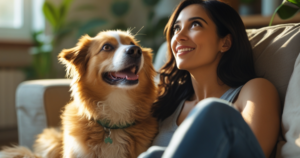
Anyone who has owned a dog knows that some humans instantly become a dog’s favorite. Dogs are social animals, but they often form strong preferences for certain people. This behavior is influenced by bonding, behavior, and subtle communication cues. Understanding why dogs favor specific humans helps strengthen the bond with your pet.
1. Body Language and Energy Matter
Dogs are experts at reading human body language and emotional energy.
Key Influences
- Calm and confident individuals attract dogs more than anxious people
- Gentle gestures and slow movements convey safety
- High-energy, playful humans appeal to energetic dogs
- Dogs read facial expressions and posture to judge friendliness
- Dogs often gravitate toward people whose energy matches their own
2. Positive Interactions Build Preference
Dogs remember who gives consistent care, attention, and rewards.
How Preference Develops
- Feeding and treats reinforce positive association
- Playtime and interactive games increase bonding
- Gentle petting and scratching in preferred spots
- Reliable routines build trust and recognition
3. Table: Factors Influencing Dog Preferences
| Factor | How It Affects Preference | Example |
|---|---|---|
| Body Language | Dogs trust calm, confident humans | Slow approach vs sudden movements |
| Energy Level | Matches dog’s personality | Active dog prefers playful person |
| Care & Attention | Builds trust and loyalty | Feeding, grooming, playing |
| Voice & Tone | Dogs respond to soft, consistent tones | Calling name or giving commands gently |
| Scent & Familiarity | Familiar smells provide comfort | Owner’s scent on clothes or hands |
4. Personality and Compatibility
- Shy dogs may prefer calm, quiet individuals
- Playful dogs favor interactive, lively humans
- Protective dogs bond with confident leaders
- Sensitive dogs are drawn to empathetic, gentle humans
5. Genetics and Early Life Experiences
- Certain breeds are predisposed to cling to one primary human
- Puppies raised with consistent care develop strong bonds
- Positive early experiences with humans foster trust
- Trauma or neglect may cause selective attachment
6. Can Preferences Change Over Time?
- Increased attention from another family member can shift preference
- Moving to a new environment with a consistent caregiver
- Health or age changes that alter behavior
- Positive reinforcement and training with a new person
7. Conclusion: Respecting a Dog’s Choice
Dogs show preference not out of malice but through instincts, trust, and compatibility. By recognizing their cues, matching energy levels, and providing consistent care, humans can become the favored companion. Appreciating these choices highlights the depth of a dog’s social intelligence and reminds us that their loyalty is both earned and cherished.