Why Dogs Guard the Door: Understanding Protective Behavior

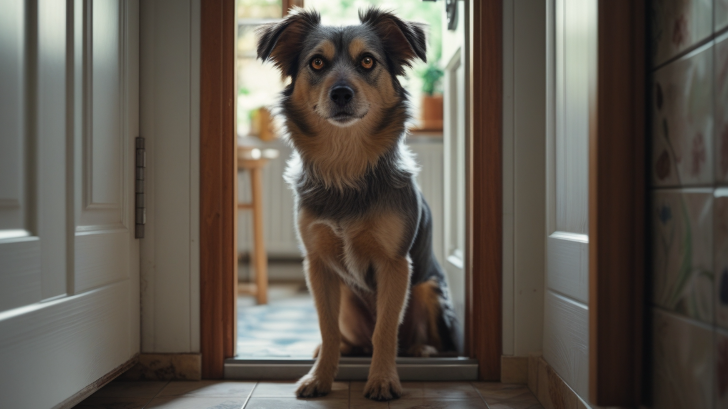
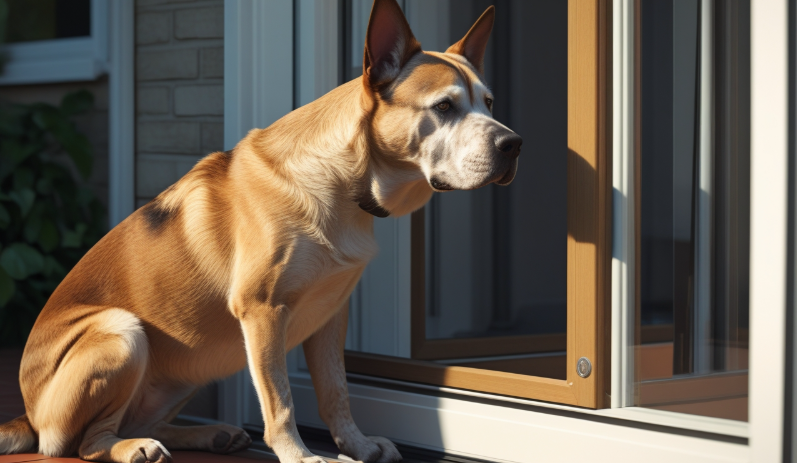
Many dog owners notice a familiar scene: a dog sits by the door, alert, barking or growling as someone approaches. This behavior stems from instinct, territoriality, and loyalty. Understanding why dogs guard the door helps owners appreciate their protective nature and manage it safely.
2. Territorial Instincts: A Dog’s Natural Behavior
Dogs are naturally territorial. The door represents a strategic checkpoint for home safety.
- Protects family and resources
- Monitors comings and goings
- Alerts owners to potential intruders
Even breeds not labeled as guard dogs may display this behavior due to instinctive self-preservation and loyalty.
3. Table: Reasons Dogs Guard the Door
| Reason | Explanation | Behavior Seen |
|---|---|---|
| Territorial protection | Ensures safety of home and family | Barking, growling, blocking entry |
| Alerting owners | Warns humans of approaching strangers | Tail wagging, ears perked, focused gaze |
| Pack leadership | Takes responsibility for group safety | Standing at door, posture dominance |
| Anxiety or insecurity | Fear of unknown visitors | Excessive barking, pacing |
| Routine reinforcement | Associates door activity with family arrivals | Waiting by door, excitement |
4. Breed Differences and Guarding Tendencies
Certain breeds naturally display stronger guarding instincts:
- German Shepherds: Highly protective, alert
- Rottweilers: Natural guardians, territorial
- Dobermans: Watchful, responsive to movement
- Smaller breeds (Chihuahuas, Dachshunds): Often alert and vocal
All dogs can guard doors to some degree, depending on personality and training.
5. Behavioral Triggers for Door Guarding
Dogs react to specific cues near doors:
- Sound of footsteps or knocks
- Movement outside windows or near entryways
- Unfamiliar scents
- Family members leaving or returning
Even familiar visitors may trigger barking if the dog feels unsure, showing this is both protective and communicative behavior.
6. Emotional and Social Factors
Door guarding is influenced by emotions and social instincts:
- Loyalty: Dogs feel responsible for protecting their family
- Anxiety: Separation anxiety can heighten alertness
- Excitement: Waiting for owner’s return often coincides with guarding posture
Understanding these factors helps owners interpret behavior without frustration.
7. How to Manage Door Guarding
Proper management balances instinct with calm behavior:
- Train commands like “sit” or “stay” near doors
- Use positive reinforcement when the dog remains calm
- Provide a safe spot away from the doorway
- Reduce over-excitement before visitors arrive
This approach allows dogs to retain natural instincts while keeping home life peaceful.
8. Benefits of Door Guarding
Though sometimes seen as nuisance behavior, guarding has advantages:
- Provides early warning for approaching strangers
- Reinforces the dog’s protective role
- Satisfies instinctual needs, promoting mental health
- Encourages alertness and engagement
Well-managed guarding dogs are both safe and confident.
9. Conclusion: Loyalty at the Threshold
Door-guarding behavior reflects a dog’s instincts, loyalty, and emotional connection to its family. While excessive barking can be managed with training, the underlying instinct highlights their role as watchful, loyal companions who care deeply about home and loved ones.