
Introduction
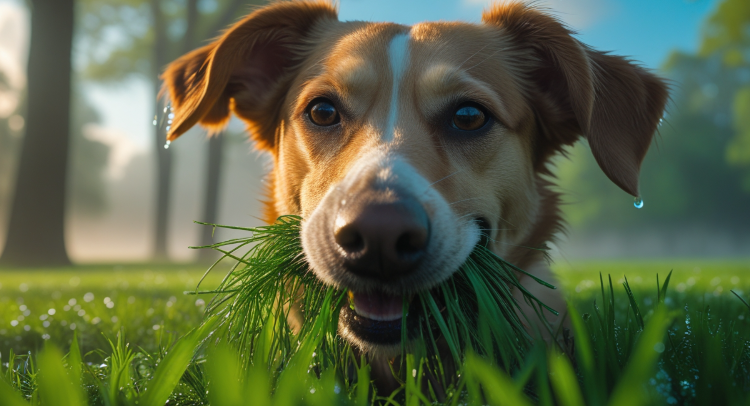
Many dog owners have seen this scene play out during an early walk. The day is quiet, the grass is still wet with morning dew, and instead of moving forward, your dog suddenly stops to nibble on grass. They sniff carefully, choose a spot, and start chewing like it’s part of their routine. It can look strange, especially when it happens again and again in the early hours.
Some owners worry that something is wrong, while others assume it’s just a bad habit. The timing often raises more questions. Why morning? Why grass? And why does it seem so intentional?
In reality, grass-eating is a common dog behavior, and morning habits often have simple, natural explanations. Understanding why dogs eat grass early in the morning can help you feel calmer and more connected to what your dog is really doing.
What This Behavior Is About
Dogs explore the world with their noses and mouths. Eating grass is one of those behaviors that has been around for a very long time.
This habit isn’t usually random. Dogs choose specific types of grass and often do it at certain times of day. Early morning offers conditions that make grass more appealing and noticeable to dogs.
In most cases, this behavior is part of a dog’s natural routine rather than a sign of a problem.
Main Reasons Dogs Eat Grass Early in the Morning
Grass Is Fresh and Moist
In the morning, grass is cooler and covered with dew. This makes it softer and easier to chew.
Dogs seem to prefer fresh grass over dry or sun-heated blades. The moisture may also make it more appealing to their senses.
To a dog, morning grass simply tastes and feels better.
Stronger Smells at Dawn
Early morning air holds scents better than warmer daytime air. Grass carries more smell during this time.
Dogs rely heavily on smell, and fresh grass releases stronger natural scents in the morning. This can attract dogs more than later in the day.
Eating grass may start as sniffing that turns into nibbling.
Natural Digestive Routine
Many dogs follow a regular daily rhythm. Morning is often when their bodies are waking up and resetting.
Some dogs eat small amounts of grass as part of their normal digestive pattern. It doesn’t always mean they feel unwell.
This behavior often happens calmly and without urgency, which is a good sign.
Instinct From Ancestral Behavior
Dogs’ ancestors didn’t eat only meat. They consumed parts of plants found in the stomachs of prey or directly from the ground.
Grass-eating may be a leftover instinct tied to that history. Morning foraging fits well with natural animal routines.
Your dog may be following instincts older than modern pet life.
Curiosity During Quiet Hours
Morning walks are usually quieter. Fewer people, cars, and distractions allow dogs to focus more on their surroundings.
With less stimulation, dogs notice small details like grass texture and scent. Curiosity can easily turn into chewing.
This is especially common in dogs that enjoy exploring slowly.
Enjoying the Routine
Dogs love routine. If grass-eating once felt good or interesting in the morning, they may repeat it daily.
Over time, it becomes part of their walk habit rather than a response to discomfort.
Consistency doesn’t always mean something is wrong—it often means something feels familiar.
Is This Normal or Something to Worry About?
For most dogs, eating grass in the morning is completely normal. Many dogs do it occasionally or even daily without any negative effects.
It’s usually not a problem if your dog eats small amounts, acts normal afterward, and doesn’t seem distressed.
Concern may only arise if grass-eating is constant, frantic, or paired with other changes in behavior. Calm, casual grazing is generally harmless.
What Dog Owners Can Learn or Do
Watch how your dog behaves when eating grass. Calm chewing and relaxed body language are reassuring signs.
Make sure your dog has access to clean water and a balanced diet. A well-cared-for dog often grazes simply out of habit or enjoyment.
If you prefer to limit grass-eating, gentle redirection during walks can help. But there’s no need to panic when it happens occasionally.
Understanding your dog’s routine helps build trust and confidence.
Common Myths vs Reality
Myth: Dogs eat grass only when they’re sick
Reality: Many healthy dogs eat grass regularly.
Myth: Grass-eating always causes vomiting
Reality: Most dogs do not vomit after eating grass.
Myth: Dogs should never eat plants
Reality: Small amounts of grass are a natural behavior for many dogs.
Myth: Morning grass-eating is abnormal
Reality: Morning conditions simply make grass more appealing.
Frequently Asked Questions
Why does my dog eat grass but act completely normal?
Because grass-eating is often a routine or instinct, not a sign of illness.
Should I stop my dog from eating grass?
If it’s occasional and calm, there’s usually no need to stop it.
Why doesn’t my dog eat grass later in the day?
Grass is cooler, softer, and more fragrant in the morning, making it more attractive.
Conclusion
Dogs eat grass early in the morning for simple, natural reasons. Fresh moisture, stronger scents, quiet surroundings, and routine all make morning grass especially appealing. In most cases, this behavior is harmless and deeply rooted in instinct.
Rather than worrying, it’s helpful to observe your dog’s overall behavior. Calm grass-eating is usually just another way dogs explore their world. The next time your dog pauses to nibble on dew-covered grass at sunrise, you’ll know it’s not strange—it’s just part of being a dog.