
Introduction
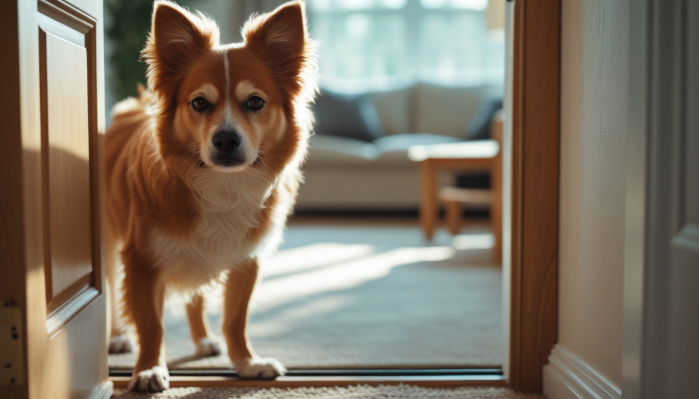
Many dog owners notice this at some point. Your dog happily follows you everywhere, but there’s one room they refuse to enter. They stop at the doorway, hesitate, or quietly walk away. Some dogs avoid bathrooms, storage rooms, basements, or even a bedroom they once used without issue. This behavior can feel confusing, especially when nothing looks wrong to us.
Dogs experience spaces differently than humans do. They rely more on smell, sound, and past experiences than on how a room looks. What feels normal or harmless to us may feel uncomfortable or unfamiliar to them. Understanding why dogs avoid certain rooms helps owners respond with patience instead of worry and strengthens trust between dog and human.
What This Behavior Is About
When dogs avoid certain rooms, they are usually responding to sensory discomfort or past associations.
It’s often about how the room feels to them, not about fear without reason.
Main Reasons Dogs Avoid Certain Rooms
Strange or Unfamiliar Smells
Dogs have powerful noses.
Cleaning products leave strong scents.
Paint, chemicals, or damp smells can bother them.
A room may feel overwhelming due to odor alone.
Loud or Sudden Noises
Some rooms echo sounds.
Appliances like washing machines or heaters make noise.
Dogs may associate the room with sudden sounds.
They avoid places where they feel startled.
Slippery or Uncomfortable Floors
Dogs dislike unstable footing.
Tiles or polished floors can feel unsafe.
Past slipping can create hesitation.
They choose surfaces where they feel secure.
Past Scary Experiences
A loud noise may have happened there.
Being scolded or trapped can leave an impression.
Dogs remember emotional experiences.
Avoidance is a protective response.
Temperature Differences
Some rooms feel colder or warmer.
Dogs are sensitive to drafts and heat.
Basements and bathrooms often feel uncomfortable.
They choose spaces with balanced temperature.
Low Lighting or Shadows
Dim rooms can feel confusing.
Shadows may appear threatening.
Dogs rely on clear visibility.
Poor lighting can trigger hesitation.
Why Dogs Don’t Always Show Fear Clearly
Dogs don’t always bark or shake.
Avoidance is often quiet and subtle.
Walking away is their way of staying comfortable.
Not all discomfort looks dramatic.
Is This Normal or Something to Worry About?
Yes, it’s usually normal.
Most dogs avoid at least one space.
If your dog is playful, eating well, and relaxed elsewhere, there’s no need for concern.
Only sudden avoidance paired with stress signs needs closer attention.
What Pet Owners Can Learn or Do
Respect your dog’s comfort level.
Avoid forcing them into the room.
Make the space more inviting with light and familiar smells.
Use calm encouragement, not pressure.
Let curiosity happen naturally.
Common Myths vs Reality
Myth: Dogs see ghosts in rooms
Reality: They react to sensory cues
Myth: Avoidance means stubbornness
Reality: It’s usually discomfort
Myth: Dogs forget scary moments
Reality: Emotional memory stays strong
FAQs
Why does my dog avoid the bathroom?
Strong smells, echoes, or slippery floors may bother them.
Should I force my dog to enter the room?
No, forcing can increase fear or stress.
Can dogs change their mind later?
Yes, comfort can return once the environment feels safe.
Conclusion
Dogs avoid certain rooms because those spaces don’t feel right to them. Smells, sounds, slippery floors, lighting, or past experiences can all influence their comfort. This behavior is usually a quiet way for dogs to protect themselves and stay relaxed. By observing their reactions and respecting their boundaries, owners can build trust and understanding. Sometimes, giving a dog space is the kindest response. When dogs feel safe, curiosity often follows on its own.
j8m3bd