
Why Cats Scratch Furniture (And How to Stop It)
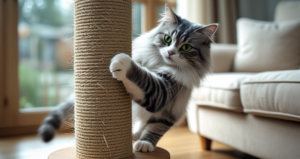
Few things frustrate cat owners more than finding shredded sofas or clawed wooden furniture. While it may look like misbehavior, scratching is a natural and necessary feline behavior. Cats scratch to communicate, stretch their bodies, and maintain healthy claws. Understanding why cats scratch furniture is the first step toward managing the habit without harming your cat’s well-being.
2. Scratching Is an Instinct, Not a Bad Habit
Scratching is deeply rooted in a cat’s survival instincts.
- Removes old outer layers from claws
- Keeps claws sharp and healthy
- Stretches shoulder, leg, and back muscles
- Releases stress and excitement
In the wild, cats scratch trees. Indoors, furniture becomes the closest substitute.
3. Territory Marking Through Scratching
Cats are territorial animals, and scratching is one of their primary communication tools.
- Scent glands in paw pads release invisible markers
- Visible scratch marks warn other animals
- Repeated scratching reinforces ownership
Furniture in high-traffic areas is often targeted because cats want their scent where it matters most.
4. Emotional Triggers Behind Scratching
Scratching is also linked to emotional regulation.
- Excitement after playtime
- Stress from environmental changes
- Anxiety caused by new pets or people
- Boredom from lack of stimulation
For cats, scratching furniture can be a healthy way to release pent-up energy.
5. Table: Furniture vs Scratching Post
| Feature | Furniture | Scratching Post |
|---|---|---|
| Texture | Often appealing (fabric, wood) | Designed for claws |
| Stability | Usually stable | Must be sturdy |
| Height | Varies | Allows full-body stretch |
| Territory marking | Effective | Even better if placed well |
| Owner approval | No | Yes |
6. Preferred Scratching Surfaces
Not all cats scratch the same way.
- Vertical surfaces like sofas or door frames
- Horizontal surfaces such as carpets or rugs
- Rough materials like wood or sisal rope
- Stable, non-wobbly objects
Providing multiple options greatly reduces furniture damage.
7. How to Redirect Scratching Behavior
- Place scratching posts near damaged furniture
- Use catnip to attract interest
- Reward post use with treats or praise
- Trim nails regularly to minimize damage
- Temporarily cover furniture with protectors
Punishment does not work and often increases stress-related scratching.
8. When Scratching Signals a Problem
Excessive scratching may indicate deeper issues.
- Scratching combined with aggression
- Sudden increase in destructive behavior
- Hair loss or skin irritation
- Hiding or avoidance
Stress, discomfort, or medical concerns may be involved.
9. Understanding the Cat’s Perspective
From a cat’s point of view, furniture is tall, sturdy, and located where people gather—making it the perfect scratching target. When owners understand this logic, it becomes easier to offer acceptable alternatives instead of fighting natural instincts.
10. Conclusion: Coexisting With Natural Behavior
Cats scratch furniture not out of spite, but out of instinct, communication, and physical need. By understanding why this behavior exists and providing proper scratching outlets, owners can protect their homes while keeping their cats happy and healthy. Scratching is a natural language of cats—and learning to work with it creates a more peaceful shared space.