
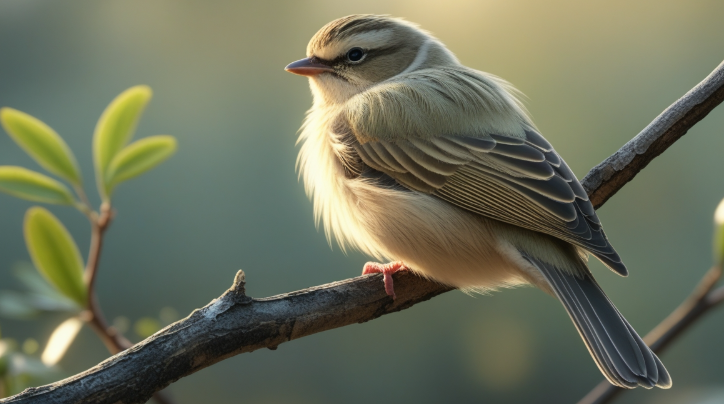
Backyard birds are everywhere—on rooftops, on electric lines, in gardens, even near marketplaces. But most people never notice how intelligent, expressive, and emotional they actually are. Birds might look small, but their daily lifestyle is more organized than many humans. If you’ve ever wondered why a bird visits your roof every morning or why some birds always return to the same place, you’re going to enjoy this guide.
Instead of complicated scientific language, let’s explore birds the way a normal person observes them—through behavior, sound, routine, and simple care practices.

Birds Have a Secret Routine (And It’s Fascinating)
Most backyard birds wake up long before sunrise. That’s why mornings feel alive with chirping. This early singing is called a dawn chorus, and birds do it to claim territory, call their flock, or announce, “I survived the night!”
Their day generally follows a natural rhythm:
- Early Morning: Singing and searching for insects
- Midday: Resting in shaded areas
- Afternoon: Bathing, preening, and more feeding
- Evening: Returning to roosting spots
Even though birds seem fragile, their daily life is full of strategic survival decisions—including choosing safe trees, selecting food, and avoiding predators like cats or hawks.
Why Birds Return to the Same Place Every Day
Birds have an incredible memory. They remember:
- where the food was yesterday
- which spot was safe
- where fresh water was available
- which humans didn’t scare them
This is why if you start feeding them daily, you will notice the same birds coming back again and again. They even teach their younger ones the route.
Small Table: What Different Bird Behaviors Usually Mean
| Behavior | Meaning |
|---|---|
| Rapid fluttering wings | Excitement or begging for food |
| Sudden silence | Predator nearby |
| Head bobbing | Alertness or communication |
| Beak grinding | Feeling relaxed |
| Tail flicking | Warning or irritation |
This simple table helps you understand the “mood” of the birds you see around your home.
Creating a Bird-Friendly Space in Your Home
You don’t need a big garden to attract birds. Even a balcony or terrace can become a mini bird-hub.
Here’s what helps:
✔ A bowl of fresh water
Birds use it for drinking and bathing, especially in summer.
✔ A small feeder
You can put simple foods like:
- grains (rice, millet, corn)
- fruits (banana pieces, apple slices)
- soaked gram
Never give birds oily or salty foods—they can harm their digestive system.
✔ A safe space
Avoid placing feeders near:
- cats
- dogs
- busy streets
- wires
A calm place makes birds feel safe enough to return.
Birds Communicate More Than You Think
Each species has its own vocabulary. Crows have dozens of different calls, sparrows “chatter” to maintain flock connection, and pigeons use soft coos to communicate comfort.
A few fun examples:
- When a sparrow makes quick “chip-chip” sounds, it’s usually alerting others.
- Pigeons puff their chest when trying to impress a partner.
- Mynas mimic human sounds if they live near people long enough.
Birds aren’t just reacting—they’re communicating with intention.
How to Observe Birds Like a True Nature Lover
You don’t need binoculars or fancy equipment. Just:
- Sit quietly for 5 minutes
- Watch how birds hop or fly
- Notice their patterns
- Observe how they interact with each other
This practice is calming—almost like meditation. Many students and working adults say bird-watching reduces stress and helps them focus better.
Conclusion
Birds may be tiny creatures, but they live rich, intelligent lives filled with patterns, instincts, emotions, and communication. When we take a little time to observe them—and offer clean water or simple food—they reward us with natural beauty and peaceful moments every single day. Creating a bird-friendly space is one of the simplest ways to feel more connected with nature, even if you live in a busy area.


Quick access is the key with 80jililogin. Gets me right into the games. No wasted time. The best login! Have a look: 80jililogin