The Rope Fish: A Mysterious and Fascinating Freshwater Creature
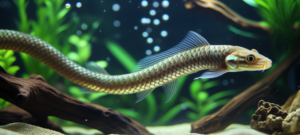
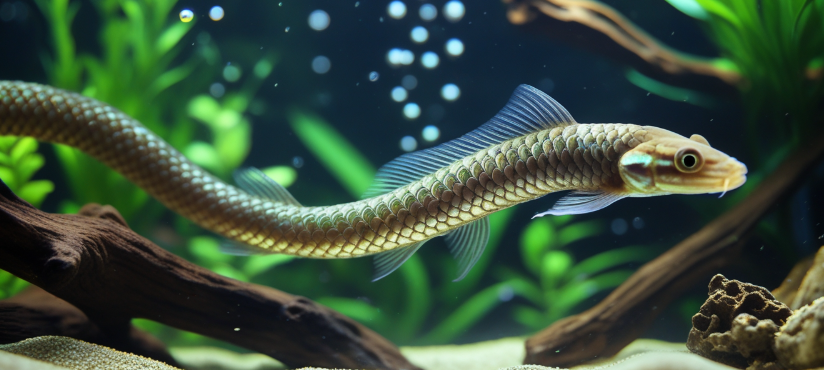
The rope fish (also called the Reed Fish or Erpetoichthys calabaricus) is one of the most unusual aquarium pets you’ll ever see. With its long, eel-like body and gentle personality, it is often mistaken for an underwater snake. Despite its appearance, the rope fish is peaceful, intelligent, and endlessly fascinating to watch.
1. What Makes the Rope Fish So Unique?
Several traits make this species stand out from typical freshwater fish:
- Snake-Like Shape – Its elongated, flexible body helps it glide through plants and narrow spaces with ease.
- Ability to Breathe Air – Thanks to a modified swim bladder, rope fish can breathe atmospheric oxygen.
- Night-Time Activity – They are mostly nocturnal and begin exploring once the lights dim.
- Escape Artists – They can slip through tiny gaps, making a tightly sealed lid essential.
2. Natural Habitat: Born in African Swamps
In the wild, rope fish thrive in murky, plant-filled waters across Africa. They prefer:
- Slow-moving rivers
- Swamps
- Shallow flood zones
- Warm, soft water
These muddy habitats shape their behavior and ability to survive in low-oxygen environments.
3. Tank Requirements: Caring for a Rope Fish
Even though they look tough, rope fish require careful tank conditions:
- Minimum Tank Size: 55 gallons
- Temperature: 24°C – 28°C
- Water Type: Soft and slightly acidic
- Lid: Completely sealed to prevent escape
They enjoy tanks with:
- Dim lighting
- Dense plant coverage
- Driftwood or caves
- Soft sandy substrate
4. Diet: What Rope Fish Love to Eat
Rope fish are carnivores and rely heavily on scent when hunting. Their preferred foods include:
- Worms
- Small shrimp
- Insects
- Soft sinking pellets
- Small fish (keep them away from tiny tankmates)
5. Rope Fish Temperament: Gentle yet Curious
Despite their snake-like appearance, rope fish are peaceful and enjoy living with similarly sized tankmates.
They Get Along With:
- Gouramis
- Bala sharks
- Bichirs
- Angelfish
- Silver dollars
Avoid Keeping With:
- Tiny fish like guppies or small tetras
- Aggressive cichlids
- Fin-nipping species
6. Key Differences: Rope Fish vs Eels
| Feature | Rope Fish | True Eels |
|---|---|---|
| Body Type | Snake-like with visible fins | Long and nearly finless |
| Breathing | Can breathe atmospheric air | Depend on dissolved oxygen |
| Behavior | Very peaceful | Often aggressive |
| Family | Polypteridae | Anguillidae |
| Escape Ability | Extremely high | Moderate |
7. Fascinating Rope Fish Behaviors
- They “Walk” Using Their Fins – Their pectoral fins act like tiny arms.
- They Can Survive Briefly Out of Water – Thanks to their air-breathing ability.
- They Recognize Feeding Time – Many owners notice them waiting near the glass when they sense food.
8. Should You Keep a Rope Fish?
Rope fish are ideal for aquarists who want:
- A peaceful and exotic pet
- A large aquarium setup
- A species with personality
- A unique centerpiece fish
However, they are not recommended for absolute beginners, as they require stable water conditions and a very secure tank.