Pacu Fish: The Freshwater Giant With Human-Like Teeth
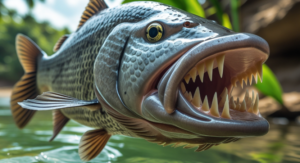
The Pacu fish is one of the most surprising species found in South America’s freshwater systems. What makes this fish truly unforgettable is its unusual smile—its teeth look almost identical to human teeth. Despite their funny appearance and large size, Pacu are gentle giants known for their calm behavior and unique feeding habits.
1. Appearance: A Fish With a Human Smile
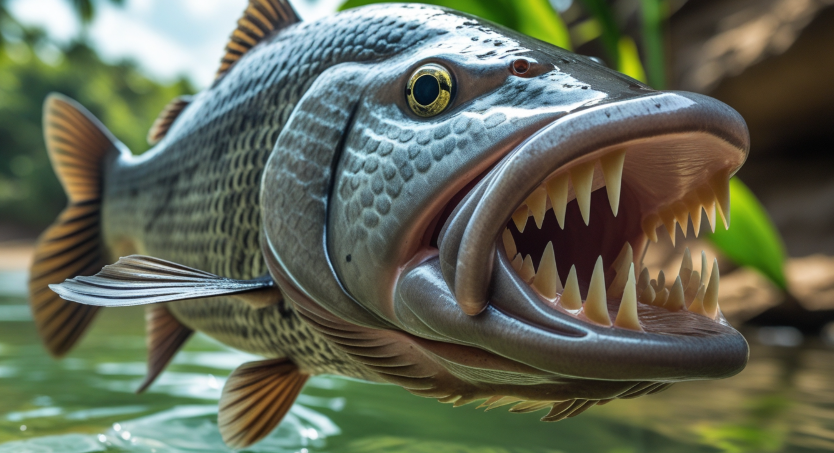
Pacu teeth are flat, square, and aligned much like human incisors. This unusual feature gives them a borderline comical look, but it serves an important purpose.
Key Traits
- Flat, straight teeth designed for crushing
- Strong jaw muscles
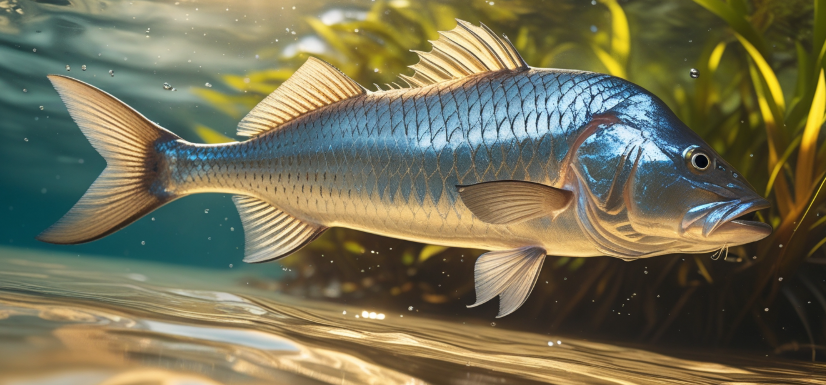
- Large, deep-bodied shape
- Color range from silver to red or black
- Can reach up to 30 inches in the wild
Their “smile” may look amusing, but it is a powerful natural tool.
2. Why Do Pacu Have Human-like Teeth?
While piranhas use sharp teeth for tearing meat, Pacu evolved human-like teeth to support their mostly plant-based diet.
Purpose of Their Teeth
- Crushing nuts and seeds
- Eating fallen fruits from riverbank trees
- Grinding vegetation and water plants
- Occasionally consuming small invertebrates
Their teeth act like natural nutcrackers, helping them access tough food sources in their habitat.
3. Pacu vs Piranha: Common Confusion Explained
Because Pacu and piranhas share a similar body shape, they are often confused. However, their behavior and anatomy differ greatly.
Major Differences
| Feature | Pacu | Piranha |
|---|---|---|
| Teeth | Flat, human-like | Sharp, triangular |
| Diet | Mostly plant-based | Carnivorous |
| Temperament | Peaceful | Aggressive |
| Size | Larger on average | Smaller |
| Behavior | Calm, slow swimming | Fast and reactive |
Even though Pacu look intimidating at first glance, they are far more gentle than their piranha cousins.
4. Natural Habitat: Rivers Full of Life
Pacu inhabit warm tropical freshwater environments across South America, especially in the Amazon and Orinoco basins.
Habitat Features
- Tropical waters
- Slow-moving river systems
- Flooded forests during rainy seasons
- Areas rich in fruits, seeds, and vegetation
Their diet relies heavily on the forest around them, making them important seed spreaders.
5. Pacu Behavior: Gentle Giants of the River
Despite their size, Pacu are known for their calm and predictable nature.
Behavior Highlights
- Slow, steady swimmers
- Usually peaceful around other species
- Curious about movement and surroundings
- Strong feeding response when fruits fall into the water
This temperament makes them popular in large public aquariums.
6. Keeping Pacu in Aquariums: Not for Small Tanks
Many beginners purchase young Pacu without realizing how enormous they will grow. Keeping them requires serious commitment.
Important Care Requirements
- Minimum tank size: 200–300 gallons
- Water temperature: 24–28°C
- Powerful filtration for their heavy waste output
- Diet rich in vegetables and fruits
- Wide swimming areas due to rapid growth
Because of their size and care needs, Pacu are ideal for experienced aquarists or public exhibit tanks.
7. The Dietary Power of Their Teeth
The Pacu’s strong jaws allow them to crack tough foods that many other fish cannot.
Common Foods They Enjoy
- Nuts
- Seeds
- Aquatic plants
- Fruits like apples, grapes, and bananas
- Occasional insects or small fish
This varied diet helps maintain their tooth strength and digestive health.
8. Conclusion: A Unique Blend of Beauty and Oddity
The Pacu fish stands out for its human-like teeth, impressive size, and surprisingly gentle personality. With a diet centered on fruits and plants, it plays a vital ecological role by spreading seeds and maintaining plant diversity in its environment.
Whether observed in the wild or admired in a massive aquarium, the Pacu remains a fascinating example of nature’s creativity—combining oddity, usefulness, and beauty in a single species.