Molly Fish: A Complete Guide to Care, Behavior & Colorful Varieties
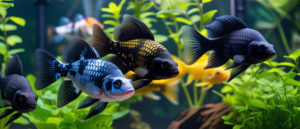
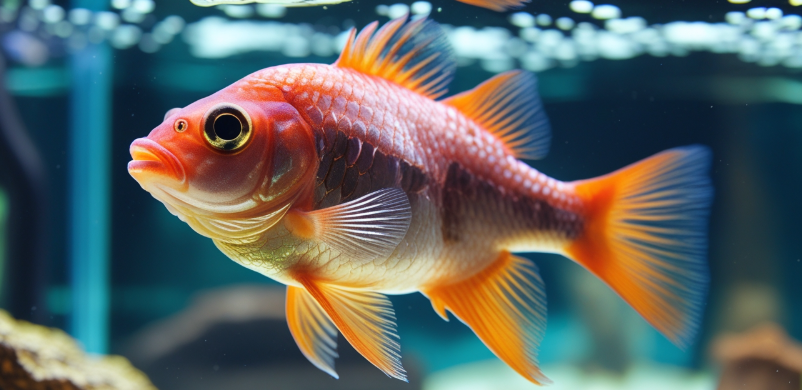
Among the most well-loved aquarium species, the Molly fish stands out for its peaceful nature, adaptability, and stunning color range. As livebearers, they give birth to free-swimming babies instead of laying eggs. Their gentle temperament and lively movement make them perfect for both beginners and experienced aquarists.
1. What Makes Molly Fish Special?
Mollies belong to the Poecilia family, closely related to guppies and platies. They are known for their ability to thrive in a wide variety of water conditions — even mildly brackish water.
Distinctive Traits
- Peaceful and social personality
- Various body shapes, from slim to balloon-shaped
- Constant movement and active behavior
- Can adapt to both freshwater and slightly salty water
- Livebearing reproduction (giving birth to fry)
Mollies add energy, color, and animation to any aquarium, making them ideal community fish.
2. Color & Pattern Varieties: Endless Possibilities
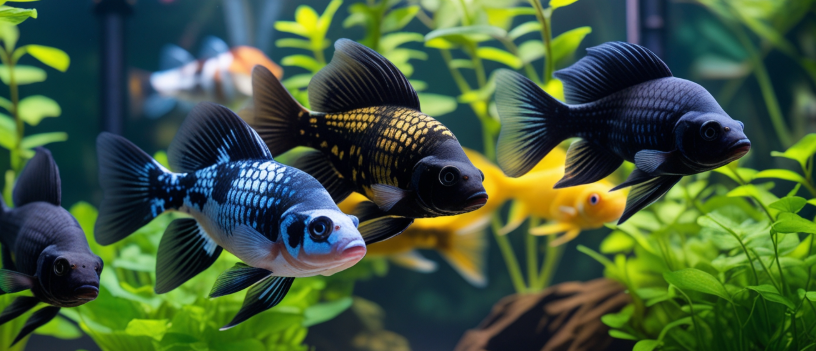
Aquarists adore Mollies due to their vast color diversity. Selective breeding has produced some truly eye-catching varieties.
Popular Molly Varieties
- Black Molly – Pure velvet-like black body
- Dalmatian Molly – White body with black spots
- Gold Dust Molly – Golden top with darker lower body
- Balloon Molly – Rounded “balloon-like” body shape
- Lyretail Molly – Long, elegant tail fins
- Marble Molly – Beautiful mix of white, silver, and black
- Sunset Molly – Shades of yellow, orange, and red
Each type adds its own charm, letting aquarists customize their tank’s appearance easily.
3. Natural Habitat: Warm, Calm Waters
Mollies originate from slow-moving rivers, marshes, and coastal areas across North, Central, and South America. Their environment explains their preference for warm and slightly alkaline water.
Wild Habitat Features
- Warm temperature zones
- Slow or gentle water flow
- Plenty of aquatic plants
- Natural access to algae and micro-organisms
4. Behavior: Peaceful Yet Playful
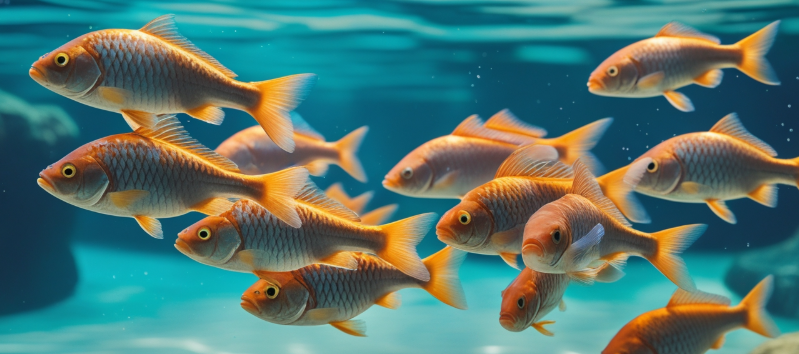
Mollies are known for being friendly fish that rarely cause trouble. They enjoy swimming in small groups and exploring every area of the tank.
Behavioral Highlights
- Active swimmers throughout the day
- Prefer being in groups of 4 or more
- Playful chasing, especially during mating
- Great compatibility with most community fish
5. Basic Care Requirements
| Category | Recommended Level | Notes |
|---|---|---|
| Temperature | 24–28°C | Warm tropical range |
| pH Level | 7.0–8.2 | Prefer hard, alkaline water |
| Tank Size | Minimum 20 gallons | Larger tank recommended for groups |
| Diet | Flakes, algae, vegetables | Mostly omnivorous |
| Compatibility | Peaceful | Avoid fin-nipping species |
With proper conditions, Mollies stay healthy, active, and long-lived.
6. Breeding: Why Molly Fish Multiply Easily
One of the most interesting features of Molly fish is their ability to give birth to live, fully formed babies.
Breeding Highlights
- Females can store sperm for several months
- Pregnancy lasts about 4 weeks
- Birth to 20–100 fry at a time
- Fry swim instantly after birth
- Adults may eat fry → hiding spots are needed
Using dense plants, breeding boxes, or separate nursery tanks increases fry survival.
7. Diet: A Strong Preference for Greens
Although Mollies are omnivores, they thrive on vegetable-rich diets.
Preferred Foods
- Natural algae
- Blanched vegetables (spinach, zucchini)
- High-quality flakes
- Pellets
- Occasional frozen foods
8. Conclusion: A Colorful, Peaceful Aquarium Favorite
The Molly fish remains one of the easiest and most rewarding freshwater species to keep. Their broad color range, peaceful personality, and livebearing nature make them fascinating additions to any tank. With proper care and a balanced diet, Mollies will thrive — and even surprise you with their young, adding even more life to your aquarium.