Killifish: The Brilliant, Short-Lived Gems of Freshwater
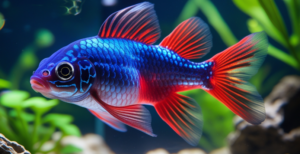
Vivid colors, rapid life cycles, and fascinating breeding habits — learn why killifish are beloved by aquarists despite (or because of) their brief lifespans.
1. What makes killifish special?
Killifish are small, brightly colored freshwater fish prized for their intense hues and lively personalities. Many species come from seasonal pools and temporary wetlands, and their entire life strategy is adapted to fast, dramatic environmental change.
2. Why do many killifish live such short lives?
Short lifespan is an adaptation, not a flaw.
Key reasons behind the short lifespan
- Ephemeral habitats: Many killifish live in pools that appear during rainy seasons and dry out in months.
- Rapid life cycle: They must grow, mature, breed, and lay eggs before waters disappear.
- Diapause eggs: Their eggs survive dry periods and hatch when rains return, restarting the cycle.
3. A stunning palette in compact bodies
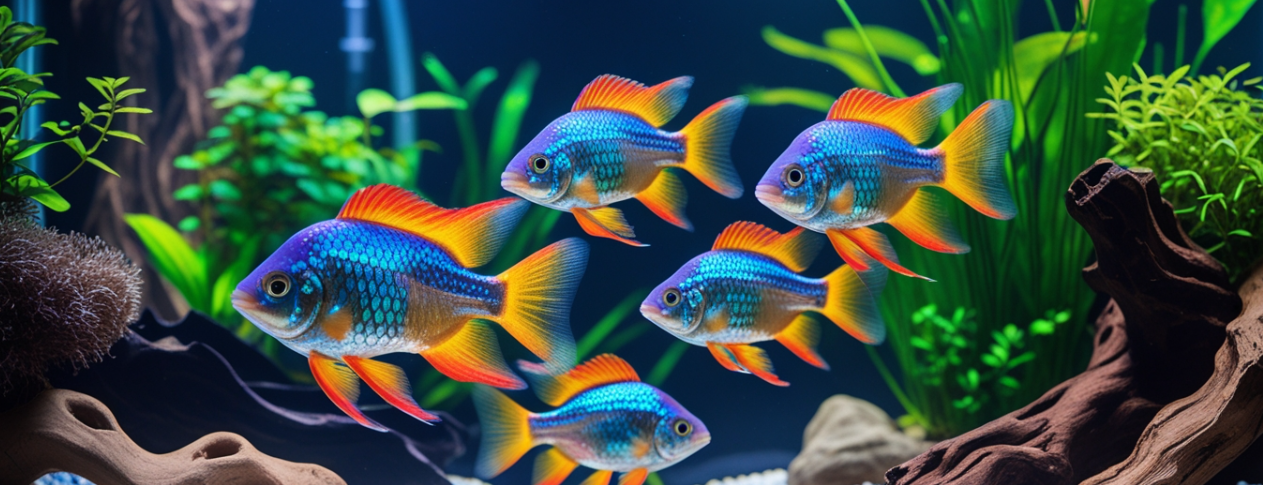
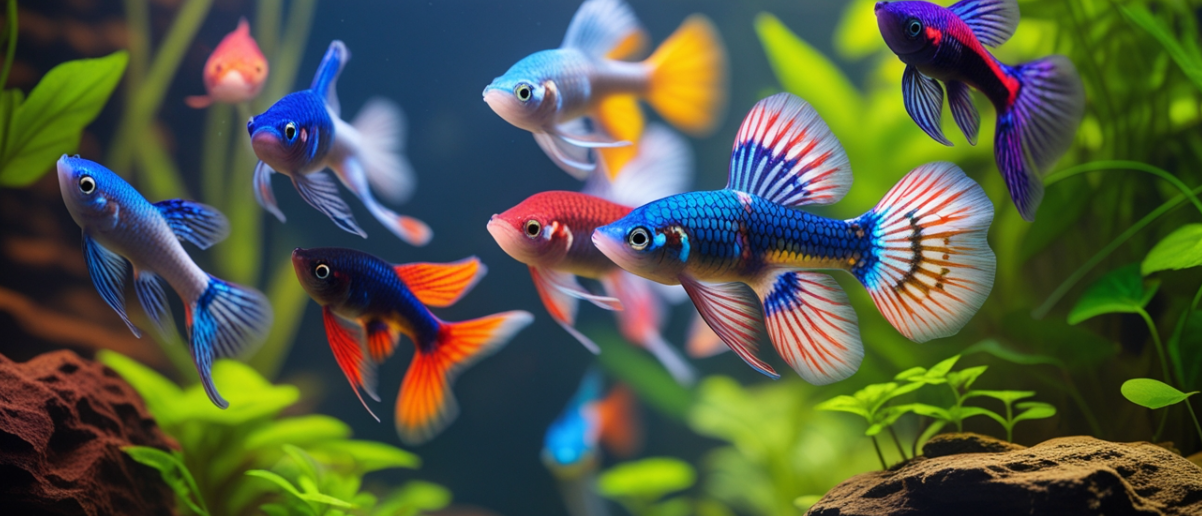
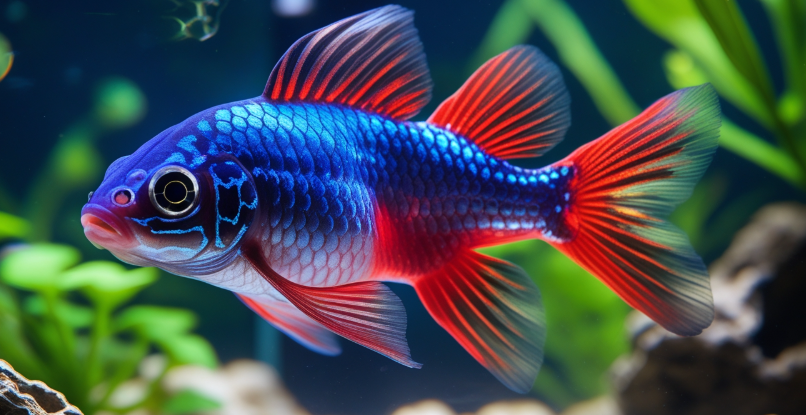
Male killifish display extremely bright colors — electric blues, fiery reds, metallic greens, and shimmering fins. These displays help them attract mates quickly during short breeding windows.
4. Quick comparison: Killifish vs other colorful small fish
| Feature | Killifish | Guppy | Betta |
|---|---|---|---|
| Lifespan | ~3 months – 2 years (varies by species) | 2–3 years | 3–5 years |
| Color intensity | Very high (especially males) | Medium–high | High |
| Habitat | Temporary pools, seasonal wetlands | Streams, tanks | Rice paddies, aquariums |
| Breeding style | Egg-layers with dry/resting eggs | Livebearer | Bubble-nester |
| Typical size | 1–3 inches | 1–2 inches | 2–3 inches |
Table: general comparison — exact lifespan and size vary by species.
5. Adaptations that make killifish survivors
Killifish thrive where other fish cannot thanks to special adaptations:
- Diapause (resting) eggs: Eggs can survive dry seasons in substrate or peat until rains return.
- Fast growth: Fry reach adulthood quickly to reproduce during the wet window.
- High fertility: Large egg counts increase the odds that some survive unpredictable conditions.
- Tolerance: Many species tolerate variable water chemistry and temperature swings.
6. Keeping killifish in a home aquarium
Killifish make rewarding pets for aquarists who enjoy planted nano-tanks and seasonal-style setups.
Benefits for hobbyists
- Small tanks are fine (10–20 gallons for many species).
- Peaceful and colorful — great in planted, low-flow tanks.
- Easy to feed: flakes, frozen foods, and live foods (daphnia, mosquito larvae, brine shrimp).
- Fascinating short-term breeding projects for hobbyists interested in life cycles.
Note: some killifish species prefer specific water conditions — always check species-specific care before adding them to your aquarium.
7. Breeding killifish — a unique and rewarding challenge
Breeding killifish is distinct and hands-on:
- Eggs are deposited into soft substrate (peat, specialized spawns) or among plant fibers.
- Many species require the eggs to dry for a period (weeks to months) — then rehydrate to hatch.
- Fry grow rapidly; color develops quickly, making breeding a visually rewarding process.
8. Appreciating short lives full of color
Killifish teach patience and appreciation for intense, fleeting beauty. Their lifecycle—fast, purposeful, and cyclical—makes them fascinating additions to any aquarium and a favorite of breeders and collectors.