Goby Fish: The Aquarium’s Sand-Sifting Cleaner
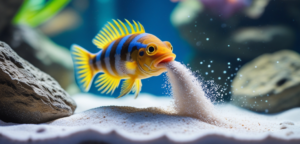
Among the many colorful fish found in aquariums, the goby often goes unnoticed. Yet this small fish plays a powerful role beneath the surface. Known as a sand-sifting cleaner, gobies continuously work along the tank bottom—filtering sand, removing debris, and helping maintain a healthy aquarium environment.
2. What Is a Goby Fish?
Gobies belong to one of the largest fish families in the world and are found in both freshwater and marine habitats. Despite differences in size and color, most gobies share common traits: small bodies, bottom-dwelling behavior, and a close connection with sand or rocks.
In aquariums, sand-sifting gobies are especially valued for their ability to clean substrate naturally without disturbing other fish.
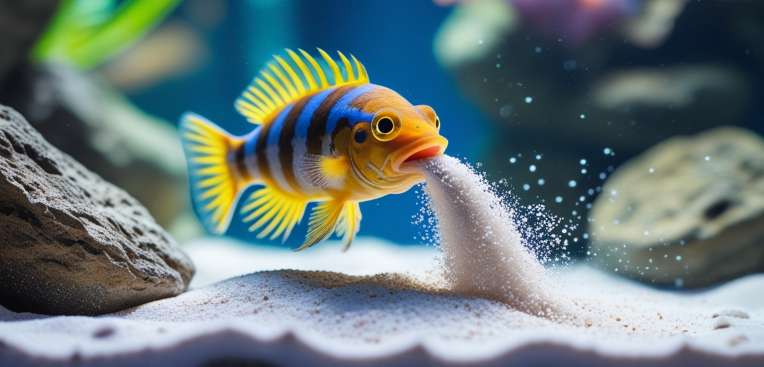
3. How Sand-Sifting Works
The goby’s cleaning method is simple yet extremely effective.
- Scoops sand into its mouth
- Filters edible particles such as algae and microorganisms
- Expels clean sand through the mouth or gills
- Repeats the process continuously
This behavior keeps sand loose, oxygenated, and free from waste buildup.
4. Physical Features That Help Gobies Clean
A. Downward-Facing Mouth
Perfectly shaped for scooping sand from the aquarium floor.
B. Fused Pelvic Fins
Many gobies have pelvic fins fused into a suction disc, allowing them to cling to rocks, glass, or substrate.
C. Camouflaged Colors
Natural earth-tone patterns help gobies blend into sandy environments, protecting them from predators.
D. Sharp Eyes
Despite their small size, gobies have excellent vision for spotting tiny food particles.
5. Table: Goby vs Other Bottom-Dwelling Fish
| Feature | Goby | Corydoras | Pleco |
|---|---|---|---|
| Size | Small (2–6 inches) | Small–medium | Medium–large |
| Cleaning Style | Sand sifting | Scavenging | Algae grazing |
| Tank Size Needed | Small–medium | Medium | Large |
| Temperament | Peaceful | Peaceful | Territorial |
| Substrate Impact | Gently aerates sand | Minimal | May uproot décor |
6. Behavior and Personality
Gobies are calm, peaceful, and quietly active fish. They spend most of their time near the bottom, occasionally darting forward to sift sand or investigate crevices.
- Perching on rocks or substrate
- Constant sand filtering
- Quick dashes when startled
- Forming shrimp partnerships (in some species)
7. Tank Setup and Care Needs
Ideal Tank Conditions
- Substrate: Fine sand (essential)
- Tank size: 20 gallons or more
- Water quality: Stable and clean
- Hiding spots: Rocks, caves, or shells
Diet
- Sinking pellets
- Frozen foods (brine shrimp, mysis)
- Small live foods
- Occasional algae-based foods
Sand sifting alone is not enough—regular feeding is essential.
8. Why Gobies Matter in Aquariums
Gobies are functional ecosystem members. By aerating sand and removing debris, they help prevent harmful waste buildup and promote healthier water conditions—often reducing maintenance work for aquarists.
9. Common Misunderstandings About Gobies
Some believe gobies survive solely on sand, which is incorrect. While they filter food from substrate, they still require proper feeding. Others assume they are fragile, but with stable water conditions, gobies are surprisingly hardy.
10. Conclusion: Small Fish, Big Impact
The goby may be small, but its role is enormous. As a natural sand-sifting cleaner, it maintains aquarium hygiene, supports healthy substrate, and adds gentle life to the tank. For aquarists seeking a peaceful, useful, and fascinating fish, the goby is one of the most valuable bottom dwellers in the aquatic world.