
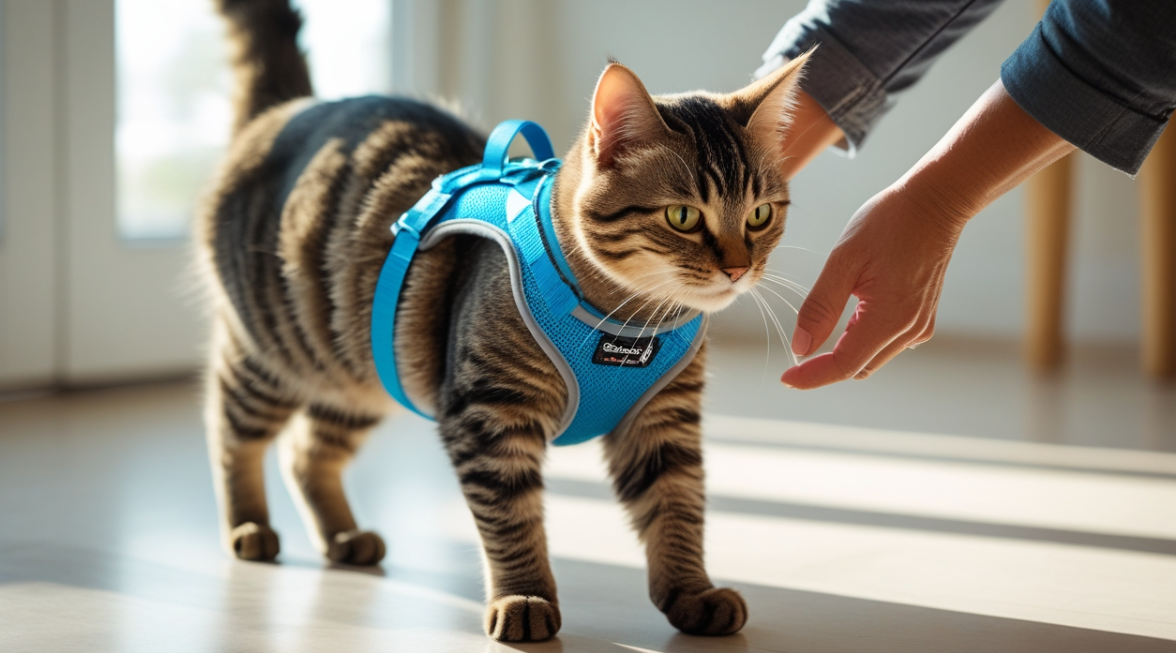
Disabled Cat Regains Mobility: An Inspirational Recovery Story

Cats are known for their agility and grace, but what happens when a cat loses the ability to walk? This story highlights a disabled cat who defied the odds, undergoing rehabilitation to regain mobility. It’s a tale of patience, determination, and the remarkable bond between humans and their feline companions.
2. The Cause of Disability
Disabilities in cats can result from various conditions, including injury, disease, or congenital issues. In this case, the cat suffered a spinal injury that temporarily paralyzed its hind legs.
| Cause | Effect |
|---|---|
| Trauma (fall, accident) | Fractures, nerve damage, temporary or permanent paralysis |
| Congenital defects | Weak limbs, skeletal abnormalities |
| Illness (neurological disorders) | Muscle weakness, loss of coordination |
| Infections | Inflammation affecting nerves or spine |
3. Initial Challenges
When the cat first became disabled, it faced both physical and emotional hurdles.
- Inability to use hind legs
- Loss of confidence and mobility
- Difficulty eating, grooming, and maintaining balance
- Frustration or depression
At this stage, human support and veterinary care were crucial.
4. The Rehabilitation Journey
Recovery involved a combination of therapy, patience, and love. Specialized exercises helped strengthen muscles and improve coordination.
| Technique | Purpose |
|---|---|
| Assisted walking with harness | Gradually rebuilds leg strength |
| Hydrotherapy | Low-impact exercise to stimulate muscles |
| Physical therapy stretches | Improves flexibility and circulation |
| Positive reinforcement | Encourages effort and progress |
5. The Role of Patience and Encouragement
The cat’s determination, combined with patient support from its human caregivers, was key. Small milestones—like standing without support or taking the first steps—were celebrated to maintain morale.
- Progress may be slow but steady
- Encouragement motivates cats to try again
- Consistent daily practice builds strength
- Emotional support is as important as physical therapy
6. The Moment of Triumph
After weeks of rehabilitation, the cat walked independently again. The moment marked a victory over adversity, inspiring everyone who witnessed it.
- The cat regained full mobility
- Confidence returned in jumping and running
- Quality of life improved significantly
- Strengthened bond with human caregivers
7. Conclusion: Inspiration From a Tiny Hero
This disabled cat’s journey from paralysis to walking again is a testament to resilience, love, and dedication. Cats may be small, but their courage can be immense. With proper veterinary care, rehabilitation, and unwavering support, even disabled pets can regain mobility and lead fulfilling lives.
Stories like this inspire pet owners to never give up on their animals, showing that with patience and hope, miracles are possible.