
Bala Shark (Silver Shark): A Peaceful Giant for Large Aquariums
The Bala Shark—often called the Silver Shark—is a striking, fast-swimming freshwater fish prized by aquarists for its metallic shine and graceful movement. Despite a shark-like silhouette, it is a gentle, schooling species that thrives in roomy tanks. This guide covers appearance, natural habitat, behavior, diet, compatible tankmates, and practical care tips.
1. Why the Bala Shark Stands Out
Bala Sharks can look intimidating, but they are friendly, active community fish rather than predators. Their combination of size, speed, and shimmering scales makes them a showpiece when kept properly.
2. Physical Beauty: Silver Arrows in Motion
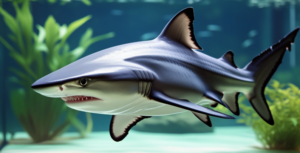
Bala Sharks grow large—commonly 30–35 cm (12–14 in) in captivity—so they need room to swim. Their streamlined, torpedo-shaped bodies and black-edged fins create a striking silhouette in motion.
- Metallic silver body with reflective scales
- Black-tipped dorsal, anal, and caudal fins
- Large, round eyes suited for active swimming
- Graceful schooling behavior producing wave-like motion
3. Natural Habitat: Rivers and Floodplains of Southeast Asia
In the wild, Bala Sharks live in rivers, lakes, and floodplains across Thailand, Malaysia, and Borneo. They prefer warm water, open swimming areas, and abundant plant life—conditions replicated best in spacious aquariums.
4. Growth & Size: Why They Get Big
Unlike many pet fish, Bala Sharks grow steadily when well cared for. Large size promotes better immunity and natural behavior, but also means owners must plan for adult space requirements.
- Typical adult size: 30–35 cm (12–14 in)
- Recommended tank: minimum 250 liters (about 66 gallons), larger for groups
- They swim constantly—open horizontal space is essential
5. Behavior: Friendly but Energetic
Bala Sharks are peaceful and do best in groups. They are active, curious, and may jump when startled, so a tight-fitting lid is important.
- Schooling fish—keep at least 3–4 together
- Fast-moving; appreciate open swimming lanes
- Minimal aggression; stress can appear if kept alone
- Occasional jumping—secure the tank lid
6. Best Tank Mates
Choose companions that match the Bala Shark’s activity level and size. Avoid very small or delicate species.
| Species Type | Good Companion? | Notes |
|---|---|---|
| Large tetras (e.g., Congo) | Yes | Similar activity and size |
| Rainbowfish | Yes | Share energy levels well |
| Gouramis | Yes | Calm and compatible |
| Angelfish | Moderate | Works if tank is very large |
| Small nano fish (e.g., neons) | No | May be stressed by Bala Shark movement |
7. Diet & Nutrition
Bala Sharks are omnivores with hearty appetites. A varied diet keeps them healthy and luminous.
- High-quality pellets as a staple
- Frozen or live foods: bloodworms, brine shrimp
- Occasional blanched vegetables (spinach, zucchini)
- Supplement with algae wafers if needed
8. Special Care Tips
- Keep them in groups—lonely Bala Sharks become stressed
- Provide lots of horizontal swimming space and moderate hiding spots
- Maintain stable water parameters and good filtration
- Secure lid to prevent jumping escapes
- Perform regular water changes to support their active metabolism
9. Common Health Notes
Watch for signs of stress such as clamped fins, loss of appetite, or lethargy. Their size and active nature mean good oxygenation and water flow are important.
10. Conclusion: A Peaceful Giant Worth the Space
With their silver sheen and graceful schooling behavior, Bala Sharks create stunning displays in the right aquarium. They are peaceful, social, and best kept in roomy tanks with appropriate companions. For aquarists willing to provide space and care, the Bala Shark is a rewarding and elegant centerpiece.
Want this article exported as a standalone HTML file or matched to your site’s theme? Tell me your preferred colors, fonts, or any additional schema markup and I’ll adapt it.