Sun Conure: Complete Care Guide for Beginners
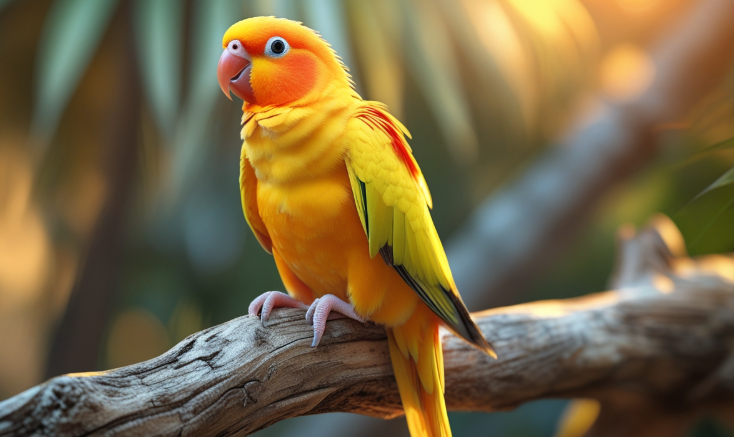
The Sun Conure, often called the sunshine bird, is one of the most vibrant, colorful, and energetic parrots in the world. Known for its yellow-orange feathers and playful personality, this bird is a favorite among bird lovers. This guide covers everything you need to know about its behavior, diet, training, care needs, and whether it’s suitable for beginners.
Appearance and Personality
Sun Conures are easily recognized by their yellow, orange, red, and green feathers. Their expressive eyes and lively nature make them enjoyable companions. They are extremely social and love interacting with their owners. These birds enjoy:
- Sitting on shoulders
- Exploring rooms
- Following their owners around
Sun Conures dislike being left alone for long periods. Without attention, they may become bored or stressed.
Is the Sun Conure Beginner-Friendly?
While they are affectionate and loving, Sun Conures require daily interaction. A beginner must be ready to:
- Spend time with the bird every day
- Handle loud calls, especially in the morning and evening
- Provide regular training and enrichment
With patience and consistency, they become gentle, well-behaved, and deeply bonded companions.
Diet and Feeding Requirements
A balanced diet is essential for long-term health. A proper Sun Conure diet includes:
- Fresh fruits: apple, papaya, banana, mango
- Vegetables: carrot, broccoli, spinach
- High-quality pellets: 60–70% of the diet
- Seeds: only as treats
- Fresh water: changed daily
Seed-only diets can cause vitamin deficiencies, so pellets must be the primary food source.
Housing and Environment
A spacious cage is necessary because Sun Conures are active climbers and fliers. The cage should include:
- Horizontal bars for climbing
- Natural wooden perches
- Toys for mental stimulation
- A quiet resting area
Letting them out of the cage for a few hours each day helps reduce stress and encourages physical exercise.
Training and Intelligence
Sun Conures are intelligent, curious, and quick learners. They can be trained to:
- Respond to their name
- Step-up on command
- Play fetch
- Mimic simple words or sounds
Training works best when you use positive reinforcement like treats and praise. Short, fun training sessions lead to faster progress.
Common Behaviors and Social Needs
Sun Conures bond strongly with their human family. They show affection through:
- Cuddling
- Fluffing their feathers
- Gentle nibbling
They may also be loud when excited, which is normal for this species. Providing chew toys is essential, as they love exploring with their beaks.
Lifespan and Health
With proper care, these birds live 20–30 years. Common health risks include:
- Nutritional deficiencies
- Feather plucking due to stress or boredom
- Fungal infections from poor hygiene
Keeping the cage clean and avoiding toxic foods like avocado or chocolate will help maintain good health.
📊 Quick Summary Table
| Feature | Details |
|---|---|
| Lifespan | 20–30 years |
| Noise Level | High (not suitable for quiet homes) |
| Personality | Affectionate, playful, intelligent |
| Diet | Pellets, fresh fruits, vegetables |
| Suitable For | Active families and bird lovers |