
Why City Sparrows Are Disappearing
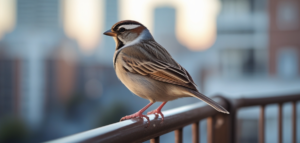
Once one of the most common birds in urban areas, the house sparrow is quietly disappearing from many major cities around the world. Their cheerful chirping once filled the mornings, but today, fewer sparrows visit our rooftops, gardens, and streets. This sudden decline raises an important question: Why are city sparrows vanishing?
Their disappearance reveals a deeper issue—changes in urban ecosystems that affect not only birds but also humans.
2. The Global Decline of Sparrows
Over the past two decades, researchers have reported a significant drop in sparrow populations, especially in busy metropolitan areas. Once abundant in human settlements, sparrows now struggle to adapt to rapid urban growth.
Key Signs of Decline:
- Fewer sparrows seen in city markets and neighborhoods
- Lower breeding success in urban areas
- Reduced availability of nesting sites
- Young sparrows failing to survive to adulthood
This trend is seen across Europe, Asia, and parts of Africa.
3. Why Are City Sparrows Disappearing?
The decline of sparrows is caused by several environmental and urban factors disrupting their natural habits.
A. Loss of Insects: The Biggest Threat
Sparrow chicks require a protein-rich diet of soft-bodied insects. Modern cities, however, have fewer insects due to:
- Excessive pesticide use
- Concrete replacing green areas
- Pollution reducing insect populations
Without insects, sparrow chicks starve—even when adult food scraps are available.
B. Rapid Urbanization and Habitat Loss
Old buildings with holes and cracks once offered ideal nesting spots. Modern structures are sealed and smooth, making nesting difficult.
| Urban Factor | How It Affects Sparrows |
|---|---|
| Glass buildings | No crevices for nesting |
| Smooth walls | Sparrows cannot cling or build nests |
| Reduced green spaces | Fewer insects and seeds |
| Noise pollution | Disrupts breeding and communication |
C. Air and Noise Pollution
High pollution weakens sparrows’ immune systems, while noise pollution masks their calls, interfering with mating and feeding behavior.
D. Lack of Food
Modern food waste is processed and lacks nutrients sparrows need. Urban gardens using non-native plants also produce fewer seeds.
E. Introduction of Predators
Growing populations of cats, crows, and other urban predators put additional pressure on sparrows.
4. What Sparrows Tell Us About Urban Health
Sparrows are indicator species, meaning their presence reveals the health of an ecosystem. Their decline warns us that cities may be losing biodiversity, green cover, and environmental balance.
5. How We Can Help Bring Sparrows Back
The good news: sparrow populations can recover if cities adopt bird‑friendly practices.
Simple Actions to Help Sparrows:
- Install bird feeders with millet, rice, or wheat
- Place water bowls on balconies and terraces
- Grow native plants that attract insects
- Avoid pesticide use
- Install nest boxes with small openings
- Support green urban projects like parks and open spaces
Even small efforts can help sparrows return to our homes and communities.
6. Conclusion: A Call to Protect a Beloved Bird
The decline of city sparrows reminds us that urban life is changing faster than nature can adapt. These tiny birds have lived alongside humans for centuries, but now they need our help. By restoring green spaces, reducing pollution, and creating sparrow-friendly habitats, we can ensure their cheerful songs return to our cities.
Protecting sparrows means protecting the overall health and balance of urban environments.