Sparrow
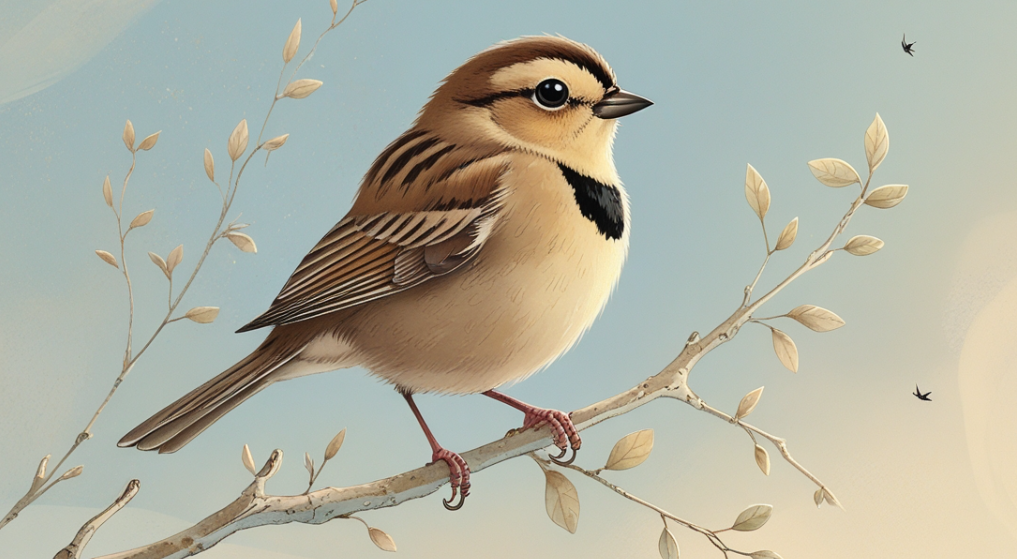
Most of us grew up seeing sparrows around our homes, sitting on wires, hopping near small tea shops, or chirping early in the morning. They are tiny birds, but somehow their presence makes any place feel alive. Sparrows don’t have bright colors or long feathers like tropical birds, yet they carry a sense of warmth and familiarity that connects deeply with people. They are the kind of birds that make you pause for a moment in a busy day just to listen to their soft, cheerful chirping.
Sparrows are extremely social creatures. You rarely find them sitting alone. If one lands near a doorstep, another one is usually close behind. Their constant chatter isn’t just noise—it’s a whole language. They warn each other about danger, call members of their group, and guide their young ones using different tones. When you spend time observing them, you notice how organized they really are. Even in chaos, they move with purpose.
Their nests are simple but surprisingly clever. Sparrows choose places like gaps in walls, corners of roofs, behind signboards, or inside small crevices in houses. Anything that looks safe becomes a potential home. They gather grass, small sticks, feathers, and sometimes even threads or paper pieces to shape a cozy nest. What’s impressive is how well they adapt to human environments. While many birds move away from cities, sparrows have learned to adjust and live peacefully beside people. They find food around markets, pick crumbs from the ground, and drink water from tiny puddles or pots kept outside homes.
Food is never a big challenge for sparrows. They eat grains, seeds, leftovers, and insects. During the breeding season, insects are especially important because they help young chicks grow strong. This habit is a blessing for farmers because sparrows naturally reduce pest populations. Without making any noise about their contribution, these little birds help maintain balance in nature.
But even though sparrows seem everywhere, their numbers have quietly declined in many cities. Large buildings with sealed windows, increasing pollution, and fewer insects have all affected their survival. Noise pollution is another issue—sparrows communicate softly, and loud city sounds interfere with their ability to stay connected with their flock. In some places, people realized the decline only after their familiar morning chirping disappeared.
Thankfully, sparrows are not difficult to help. A small bowl of water, a handful of grains, or a wooden nest box can be enough to attract them back. They don’t demand much. Many families enjoy placing bird feeders on balconies or branch corners and watching sparrows gather in small groups. The birds return every day once they trust the place is safe.
Another charming behavior of sparrows is dust bathing. On warm afternoons, they find a soft patch of dry soil and wiggle around happily, covering themselves with dust. It may look funny, but it serves an important purpose—it keeps parasites away and helps maintain their feathers. After a dust bath, they often sit on a branch, shaking off excess dirt and grooming themselves with surprising patience.
When it rains, sparrows become especially active. They hop between wet branches, search for insects that come out after showers, and chirp louder than usual. Their cheerful behavior almost feels like they are celebrating the rain. And during cold weather, they gather closely in groups at night to stay warm. Watching them huddle together on a wire or branch gives a sense of unity and caring that’s rare in the animal world.
Sparrows are more than just small birds. They are a symbol of everyday life—simple, humble, and beautiful in a quiet way. Their presence reminds us that nature still exists around us, even in busy towns and crowded cities. Protecting sparrows is not difficult, and in return, they fill our surroundings with gentle chirps and soft fluttering wings. Sometimes the smallest creatures make the biggest impact without ever being noticed.