The Siberian Husky — Origins, Arctic Design & Modern Roles
From the Chukchi people of northeastern Siberia to the sled teams of Alaska, the Siberian Husky blends endurance, friendliness, and a deep working heritage. Below is a clear, SEO-friendly overview you can publish directly.
Quick overview
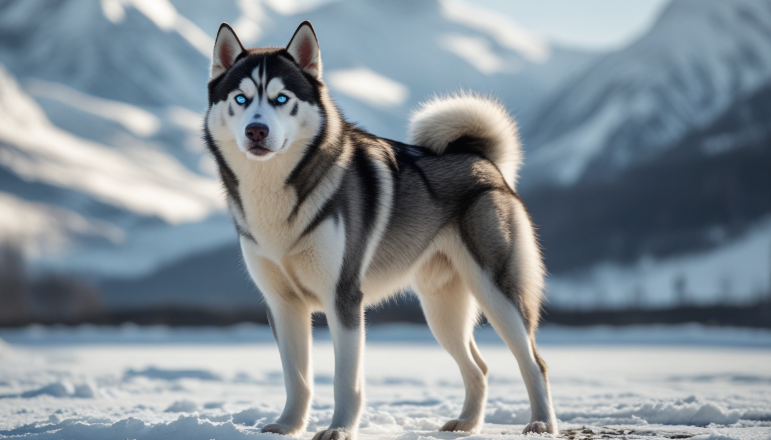
The Siberian Husky is famous for its wolf-like looks, striking eyes, and remarkable stamina. Bred for life in extreme cold, these dogs combine teamwork, speed, and a people-friendly temperament that made them invaluable to Arctic communities and popular worldwide as active companion dogs.
Ancient beginnings with the Chukchi people
The breed was developed by the Chukchi, an indigenous people of northeastern Siberia. These dogs were selected over generations to pull sleds across frozen terrain, travel long distances, and live closely with families. Key roles they fulfilled included:
- Pulling sled loads efficiently across harsh terrain
- Enduring sub-zero temperatures with minimal shelter
- Working cooperatively in teams
- Providing warmth and companionship to people, often sleeping near children
Perfect design for Arctic life
Every major feature of the Husky’s body supports cold-weather work:
- Thick double coat — insulating undercoat plus protective outer guard hairs
- Powerful legs — built for steady, long-distance trotting rather than sprint bursts
- Bushy tail — used as a natural blanket when curled sleeping
- Hardy paws — tough pads and dense fur between toes for traction and warmth
- High endurance — efficient metabolism for extended work
Journey to Alaska
In the early 1900s, Huskies were brought to Alaska during the Gold Rush and quickly proved their value in sled racing and transportation. Their public fame peaked in 1925 with the Serum Run to Nome, when relay teams of sled dogs—including many Huskies—transported diphtheria antitoxin across hundreds of miles of blizzard to save lives. That event cemented the breed’s place in history.
Becoming a family dog
As Huskies spread to North America and Europe, people embraced them for more than work. Their notable traits for family life include:
- Friendly, often eager to meet people
- Playful and energetic — great for active households
- Pack-oriented — bonds strongly with family members
They require consistent exercise, mental stimulation, and training to channel their energy positively.
Modern-day roles
Huskies continue to shine both as working dogs and companions. Common activities include:
| Activity | Why Huskies excel |
|---|---|
| Sled racing | Endurance, team instincts, efficient gait |
| Skijoring & mushing | Strong pulling drive and willingness to work |
| Adventure sports | High energy and athletic ability |
| Search & rescue (cold regions) | Hardiness and reliable stamina |
Why the Siberian Husky Endures
The Siberian Husky endures in popularity because it combines a proud working heritage with an approachable and playful temperament. Its anatomy reflects centuries of adaptation to cold climates, while its friendly, pack-minded nature makes it a rewarding (if active) companion for owners who can meet its exercise and mental needs.