🐺 Siberian Husky – Complete Breed Guide
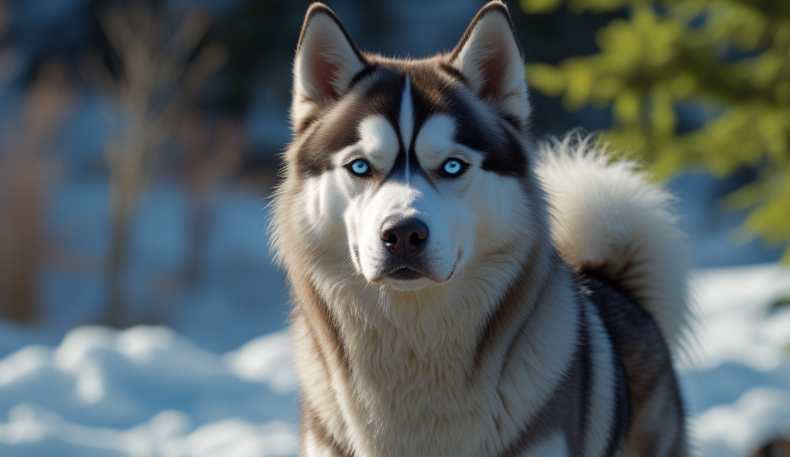
The Siberian Husky is one of the most visually striking dog breeds, famous for its blue or multicolored eyes, thick coat, and wolf-like appearance. Originating from the icy lands of Siberia, these dogs were developed to pull sleds across extreme snowy distances. Today, Huskies remain popular pets thanks to their playful personality, intelligence, and affectionate nature.
Although beautiful, Huskies require proper training, an active lifestyle, and a consistent routine. This guide explains their behavior, grooming, exercise needs, diet, and overall care to help owners understand this energetic breed.
📜 History & Origin
The Siberian Husky was developed centuries ago by the Chukchi people of northeastern Siberia. These dogs were essential for transporting goods, surviving harsh winters, and staying close to family members.
- Bred for endurance and pulling lightweight sleds
- Known for gentle behavior around families
- Gained global fame in the 1900s for sled-racing victories
- Helped deliver medical supplies during freezing winter expeditions
🐾 Appearance & Unique Traits
Huskies are medium-sized, athletic dogs known for their expressive eyes and striking coat patterns.
- Eye colors: blue, brown, or one of each (heterochromia)
- Double coat: thick and weather-resistant
- Tail: fluffy and curled
- Build: muscular with strong running legs
- Colors: black, grey, white, red, sable, and mixed shades
💙 Temperament & Personality
Siberian Huskies are known for being expressive, social, and full of energy. They thrive in active households and enjoy being part of a pack.
- Playful, adventurous, and friendly
- Independent-minded (not always eager to obey)
- Highly social with humans and other dogs
- Not ideal as guard dogs—they love strangers!
- Vocal: howls and “talks” instead of barking
🎓 Training a Husky
Huskies are smart but strong-willed. They learn fast but require patience and consistency.
Best Training Tips
- Use positive reinforcement—treats, play, and praise
- Keep sessions short and fun
- Start leash training early (they naturally like to pull)
- Include puzzle toys and brain games
- Avoid harsh punishment—it damages trust
⚡ Exercise & Activity Needs
Huskies were bred for long-distance running, so daily exercise is essential.
- 45–60 minutes of brisk walking
- Jogging, hiking, or cycling sessions
- Fetch, tug-of-war, and sprint games
- Safe fenced area for off-leash play
If Huskies don’t get enough activity, they may show destructive behaviors like digging or chewing.
🥕 Diet & Nutrition
Huskies have efficient metabolism and require high-quality food.
- Lean meats: chicken, turkey, fish
- High-protein kibble
- Vegetables: spinach, peas, carrots
- Healthy extras: boiled eggs (occasionally)
Avoid overfeeding. Huskies naturally eat smaller portions compared to other active breeds.
🧼 Grooming Requirements
Their double coat needs consistent care, especially during shedding seasons.
- Brush 3–5 times a week
- Heavy shedding twice a year
- Bathing every 4–6 weeks
- Nail trimming regularly
- Routine ear and teeth cleaning
📊 Quick Breed Fact Table
| Feature | Details |
|---|---|
| Breed | Siberian Husky |
| Lifespan | 12–15 years |
| Temperament | Playful, friendly, independent |
| Size | Medium |
| Coat | Thick double coat |
| Exercise Needs | High |
| Best For | Active families, cooler climates |