🐠 The Real Truth About Aquarium Fish: Simple Care, Real Behavior & Smart Observation
At first glance, keeping aquarium fish seems like an easy hobby — just a tank, clean water, and a few colorful swimmers. But anyone who has owned fish knows one thing: these tiny pets have big needs and even bigger personalities. They are often misunderstood, yet surprisingly easy to care for once you understand their world.
This guide focuses on real-life fish behavior — not complicated science — just the things every beginner should truly know.
🐟 Fish Live in Patterns — And That Helps You Understand Them
Aquarium fish follow a daily rhythm. Even though they don’t blink, bark, or meow, they communicate clearly through movement and habits.
A typical fish day includes:
- Active swimming in the morning while searching for food
- Slower pacing in midday hours
- Hiding among plants when stressed or scared
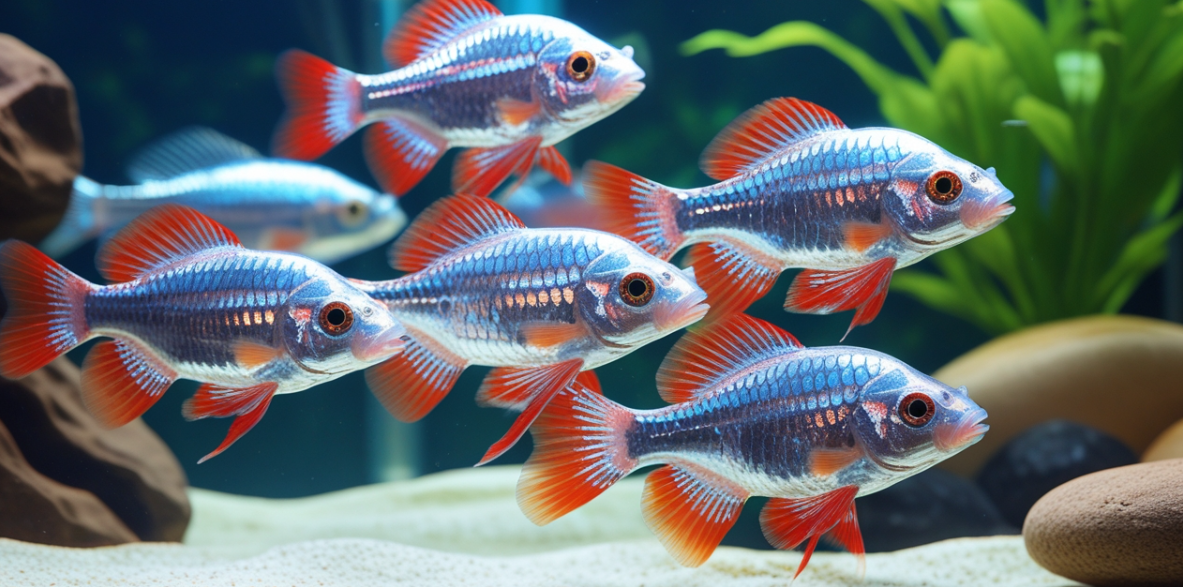
- Schooling together for safety and confidence
- Exploring playfully when they feel secure
Watch your fish for just 5 minutes daily — and suddenly you’ll notice personalities:
- Some boldly swim toward the glass
- Some guard a corner or a cave like their home
- Some constantly explore plants and decorations
💬 Fish DO Communicate — Just Differently
Fish use body language and movement to express emotion, health, and mood. Here are the most common signals:
| Rapid gill movement | Stress or bad water quality |
| Clamped fins | Fear, weakness, or early illness |
| Rubbing on surfaces | Possible parasites or irritation |
| Chasing others | Territorial behavior — or mating |
| Floating near the top | Not enough oxygen |
They don’t cry or bark — but their signals are loud and clear if you learn to see them.
🐠 Quick Guide: Best Beginner Fish & Their Needs
| Fish Type | Ideal Temp | Behavior |
| Guppy | 24–27°C | Active, friendly |
| Betta | 25–28°C | Territorial, colorful |
| Molly | 23–26°C | Hardy, peaceful |
| Tetra | 22–26°C | Schooling fish |
| Goldfish | 18–22°C | Messy but strong |
Use this as a starter guide before buying fish.
⚠ The #1 Beginner Mistake: Overfeeding
Every new fish keeper does it. Fish always look hungry — even when they’re not.
Too much food causes:
- Dirty, toxic water
- Swollen stomachs
- Sudden fish death
Safe Feeding Rule: Only feed what they can finish in 1 minute, twice a day.
🌿 How to Create a Healthy Tank (Without Expensive Gear)
A fish tank is a tiny ecosystem. Fish don’t survive without balance — even the expensive ones.
- Filter → keeps water clean + oxygenated
- Heater (for tropical fish) → stable temperature = no stress
- Plants (real or fake) → hiding places reduce anxiety
- Water change → 25% weekly, not 100%
- No overcrowding → 1 liter per 1 cm of fish (approx.)
These simple steps prevent 90% of fish deaths.
😟 Why Fish Get Stressed So Easily
Fish don’t cry — but stress destroys their health fast.
Common causes:
- Loud tapping on the glass
- Dirty water
- Sudden temperature change
- Aggressive tank mates
- Keeping 1 schooling fish alone (like a single tetra)
Calm environment = colorful, active, healthy fish.
🧘 Watching Fish Is Good for Your Mind
There’s a reason aquariums are used in homes, offices, hospitals — and even classrooms.
Watching fish helps:
- Reduce anxiety
- Improve focus
- Support better sleep
- Create peace at home
Students often say a 2-minute aquarium break calms their brain before studying.
💡 Final Thoughts
Fish may be small, but their world is full of rhythm, signals, and emotion. Once you understand how they behave and what they need, aquarium care becomes more than routine — it becomes relaxing, rewarding, and even inspiring.
🌊 Keep the water clean, feed wisely, observe daily — and your fish will thrive.