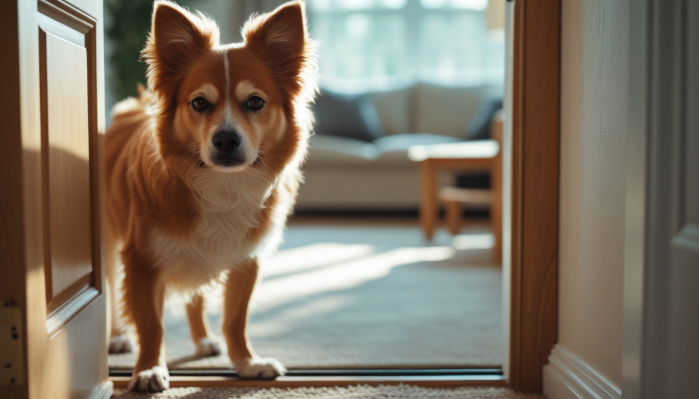

Puppy Growth: Week-by-Week Guide for the First 12 Weeks

The first 12 weeks shape a puppy’s health, behavior, and lifelong personality. This simple week-by-week guide helps new owners know what to expect — from newborn needs to early socialization and a basic vaccination timeline.
Week 1–2: The Newborn Stage
Puppies are fully dependent on their mother during the first two weeks. Their senses are still immature and they spend most of their time sleeping and feeding.
Key characteristics
- Eyes and ears remain closed.
- Puppies sleep for most of the day and crawl slowly.
- Rely on mother for warmth and nutrition.
- Rapid weight gain — steady monitoring is important.
What they need
- A warm, quiet environment (ideally with mother).
- Minimal handling—only gentle touch when necessary.
- Mother’s milk for nutrition and passive immunity.
Week 3: Eyes Open, World Opens
During week three puppies rapidly begin to explore their world as senses develop.
What happens
- Eyes open and vision improves.
- Hearing begins to develop; puppies start responding to sounds.
- First attempts at walking — wobbly but advancing.
- Curiosity increases — beginning of early social interaction.
Week 4–5: Learning to Play
Puppies begin to interact with littermates and learn key social skills through play.
Key developments
- Play fighting and tail wagging emerge.
- Learning bite inhibition and social rules.
- Start eating soft, moistened food; teeth appear.
Play teaches them how to communicate, take turns, and control bite strength.
Week 6–7: Socialization Boost
These weeks are critical for positive exposures. Puppies become more confident and receptive to new experiences.
What to introduce
- Gentle human handling from different people.
- New household sounds and safe textures (carpet, tile, grass).
- Short, positive visits with friendly dogs (fully vaccinated adults).
Controlled, positive experiences now help prevent fear later in life.
Week 8: Ready for Adoption
Many puppies go to their forever homes around eight weeks of age — this is an ideal time to begin focused training and house rules.
At this stage
- Puppy is eating solid food reliably.
- Has basic mobility and coordination.
- Forms bonds quickly; ideal for early training (sit, name recognition).
- Start house-training and crate introduction.
Week 9–12: Fast Learning & the Fear Imprint Stage
This window is a powerful learning period. Experiences tend to form strong, long-lasting memories — positive exposures are especially important.
What to expect
- High energy and curiosity.
- Rapid cognitive development — quick to learn commands.
- Teething increases chewing — provide safe chew toys.
- Begin leash training and short focused sessions for obedience.
Owner actions
- Socialize with varied people and safe dogs.
- Keep training short, consistent, and reward-based.
- Maintain a feeding and play schedule for stability.
Early Vaccination & Deworming Timeline (Simple Overview)
Always follow your veterinarian’s guidance. The schedule below is a common baseline but may vary by region and vet.
| Age | Typical Care |
|---|---|
| 6–8 weeks | First core vaccine (puppy series begins), first deworming |
| 10–12 weeks | Booster vaccine, repeat deworming if needed |
| 12–16 weeks | Final puppy vaccines (including rabies where required), spay/neuter discussion |
Tip: Keep a vaccination record and consult your vet for a region-specific schedule and parasite control plan.