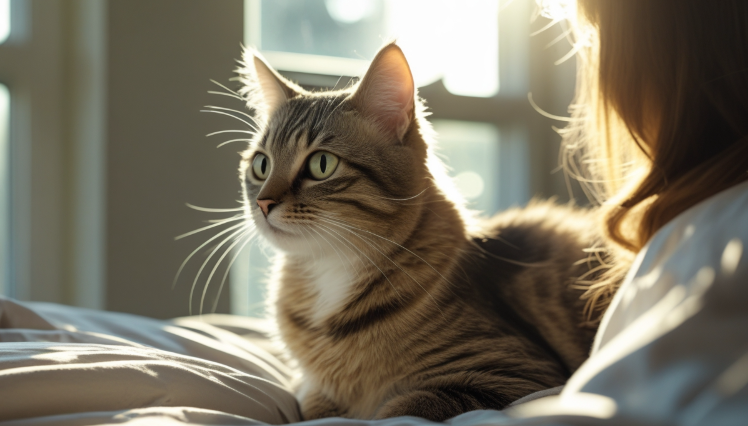

🐾 Complete Guide to the Persian Cat – The Royal & Gentle Breed

The Persian cat is one of the world’s most loved and recognizable cat breeds. With its luxurious long coat, round face, and calm personality, the Persian cat has been a favorite companion for centuries. These gentle and affectionate cats are perfect for families who prefer a peaceful, loving, and quiet pet.
This guide covers everything you need to know—origin, personality, grooming, feeding, health issues, and care tips—making it ideal for anyone planning to adopt or understand this majestic breed.
📜 Origin and Background
The Persian cat originally came from ancient Persia (modern-day Iran). Traders brought them to Europe in the 1600s, where they quickly became popular among royalty and aristocrats. Their graceful look and charming nature earned them a reputation as a premium luxury pet.
✨ Appearance and Physical Features
Persian cats are instantly recognizable due to their:
- Round face with a short, flat nose
- Large, expressive eyes
- Long, silky coat in various colors
- Sturdy, thick-boned body
- Short legs with a royal, elegant posture
Their coat can be white, golden, silver, blue, black, cream, and many more combinations.
💛 Personality and Behavior
Persian cats are known for their sweet, calm, and gentle nature. They prefer peaceful environments and enjoy being close to their owners.
- Very affectionate and polite
- Not overly active — love relaxing on soft surfaces
- Friendly with children and families
- Love quiet bonding time with their humans
🛠 Care Tips for Persian Cats
1. 🧴 Grooming Needs
- Daily brushing to prevent knots and tangles
- Monthly baths to maintain coat shine
- Regular eye cleaning to avoid tear stains
2. 🍗 Feeding Requirements
- High-protein cat food (chicken, fish, turkey)
- Omega-3 & Omega-6 for coat health
- Fresh water available at all times
3. 🏡 Indoor Lifestyle
Persian cats thrive indoors where the environment is calm, clean, and safe.
4. 🩺 Health Checkups
Regular vet visits can help detect common issues like breathing problems, eye infections, and dental concerns. Maintaining hygiene greatly reduces health risks.
⚠ Common Health Concerns
Persian cats may face certain conditions due to their facial structure and long hair:
- Eye watering and infections
- Hairballs from self-grooming
- Skin issues if not brushed regularly
- Breathing difficulties (for flat-faced types)
Proper grooming and awareness prevent most of these problems.
🍽 Nutritional Needs
A balanced diet for Persian cats should include:
- High-quality protein (chicken, fish, turkey)
- Healthy fats for coat shine
- Vitamins A, D, and E
- Low-grain or grain-free food for sensitive cats
📊 Quick Facts About Persian Cats
| Feature | Details |
|---|---|
| Origin | Persia (Iran) |
| Average Lifespan | 12–17 years |
| Coat Type | Long, silky |
| Temperament | Calm, gentle, affectionate |
| Grooming Need | Daily brushing |
| Ideal For | Families, quiet homes |
| Activity Level | Low |
| Special Care | Eye cleaning, coat maintenance |
🐱 Interesting Facts
- Persian cats were once raised by royal families.
- They are one of the oldest known cat breeds.
- Their luxurious coat fully develops after 1 year.
- They rarely vocalize — they use soft, gentle meows.