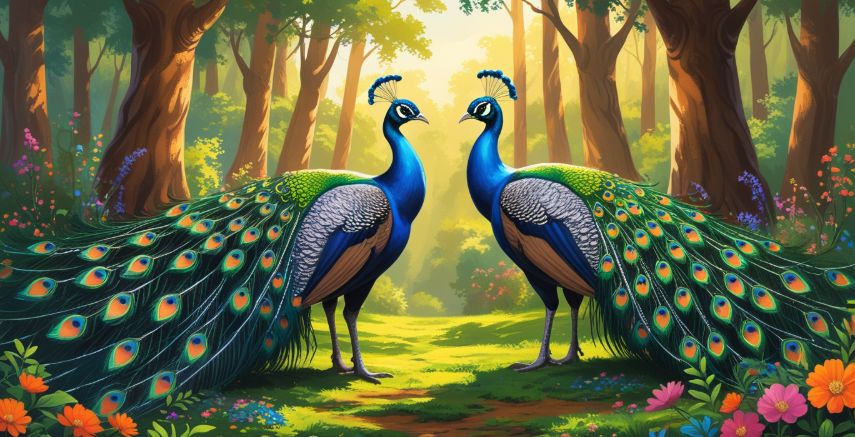

The Himalayan Monal: Nepal’s Living Rainbow of the Mountains
Among the towering mountains of Nepal, one bird shines brighter than the rest—the Himalayan Monal, known locally as the Danphe. With metallic blues, emerald greens, fiery oranges, and a glowing crest, this breathtaking species is celebrated as Nepal’s national bird and one of the most vibrant creatures in the Himalayan wilderness.
Although admired worldwide, only a few people have the chance to witness this bird in its natural habitat. This article explores the Monal’s appearance, behavior, habitat, cultural value, and why it is considered one of the most extraordinary birds in South Asia.
Where the Himalayan Monal Lives in Nepal
The Monal thrives in the icy, high-altitude zones of the Himalayas. These remote regions are filled with rhododendron forests, oak trees, and rugged cliffs that offer ideal hiding places.
- Elevation Range: 2,400 m – 4,500 m
- Common Locations in Nepal: Dolpa, Mustang, Rasuwa, Manang, Solukhumbu, Rolpa, Kanchenjunga region
- Preferred Habitat: Moist alpine forests, bamboo patches, rocky slopes, grassy hillsides
Because they live far from human settlements, trekkers are the most likely to spot them—usually at dawn or dusk.
Appearance: A Jewel of the Himalayas
The Himalayan Monal’s breathtaking colors shimmer differently with every ray of sunlight. Its feathers appear almost magical, giving it the nickname “Rainbow Bird of Nepal.”
| Feature | Description |
|---|---|
| Color Pattern (Male) | Metallic green head, blue wings, bright orange back, white rump patch, long bronze tail |
| Female Appearance | Brown, patterned feathers for camouflage; white throat patch |
| Size | 60–72 cm |
| Weight | 1.8–2.4 kg (male), 1.5–2.1 kg (female) |
The male’s metallic crest, which shines like polished gemstone, becomes more prominent during breeding season. When raised, it looks like a crown glowing in the mountain light.
Behavior and Personality
The Himalayan Monal is playful, intelligent, and highly alert. Though shy by nature, their behavior shifts with seasons.
Behavior Highlights
- Digs soil using strong legs to find insects
- Males become bold and active during breeding season
- Usually moves in small groups
- Prefers running or hopping; flies mainly uphill for escape
- Migrates slightly downward in winter to avoid extreme snow
Diet and Feeding Habits
The Monal’s diet helps it survive harsh mountain weather. They feed on a balanced mix of plant and animal sources:
- Insects
- Worms
- Berries
- Shoots and roots
- Nectar
- Seeds
Their digging habits naturally help with soil aeration and ecosystem balance.
Breeding and Lifespan
Breeding season begins in April or May. The male Monal performs a vibrant courtship dance, circling the female with spread feathers.
- Nesting: Under bushes or rocky slopes
- Egg Count: 3 – 5 eggs
- Incubation: Female incubates for around 28 days
- Lifespan: 10–12 years in the wild
The female’s brown feathers serve as camouflage during incubation.
Cultural and National Importance
The Himalayan Monal holds deep cultural significance in Nepal. Locals believe its colorful feathers reflect the changing mood of the mountains. Its resilience and beauty symbolize:
- Natural elegance
- Strength and endurance
- Unique Himalayan wildlife identity
The Danphe appears in Nepali art, folk tales, and traditional songs, making it an important part of local heritage.
Threats and Conservation
Although widely distributed, the Monal faces several threats:
- Habitat loss through deforestation
- Illegal hunting for feathers
- Climate change affecting alpine environments
Protected zones such as Sagarmatha National Park and the Annapurna Conservation Area play a vital role in preserving their population.
Conclusion
The Himalayan Monal is more than just a bird—it is a symbol of Nepal’s pride, beauty, and natural richness. Its vivid feathers, lively personality, and ability to survive in the harsh Himalayan climate make it one of the most extraordinary species on Earth.
For trekkers and wildlife lovers, witnessing this “rainbow bird of the mountains” is an unforgettable experience that truly captures the spirit of the Himalayas.