
Why Do Guppy Genetics Change? The Science Behind Their Stunning Shades
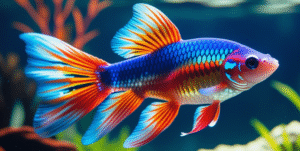
Guppies are one of the most vibrant freshwater fish kept by aquarium lovers. Their ever-changing colors, flowing tails, and countless varieties make them truly mesmerizing. But what surprises most owners is how much their colors shift as they grow.
This transformation is influenced by a mix of genetics, environment, diet, hormones, and even emotions. Here’s a simple and friendly breakdown of why guppies change color over time.
The Genetic Magic Behind Guppy Colors
Every guppy carries a unique blend of genes that determine its colors. These include:
- Color genes – determine pigment types
- Pattern genes – control tails, spots, strips
- Modifier genes – boost shine, brightness, and size
- Sex-linked genes – especially important in males
This genetic diversity creates thousands of guppy styles like mosaic, snakeskin, tuxedo, albino, dumbo ear and many more.
Why Guppy Colors Change Over Time
1. Color Cells Develop as They Grow
Guppies have several types of pigment cells, including:
- Melanophores – black pigment
- Xanthophores – yellow pigment
- Erythrophores – red pigment
- Iridophores – metallic shine
- Leucophores – white pigment
These cells multiply and shift as guppies mature, creating new shades, sharper patterns, or brighter colors.
2. Hormones Boost Color in Males
When male guppies reach adulthood, hormones activate stronger color expression to attract females. Females stay duller for camouflage in the wild.
3. Light Affects Pigment Activity
Bright light = bright guppy colors.
Low light can make guppies look pale or faded.
4. Diet Changes Their Brightness
Foods rich in natural pigments strengthen color intensity, such as:
- Spirulina
- Carotenoid-rich vegetables
- Brine shrimp
- Bloodworms
A poor diet can make colors fade quickly.
5. Stress Can Make Colors Fade
Stress causes guppies to temporarily lose color. Common causes include:
- Overcrowded tanks
- Aggressive tank mates
- Dirty water
- Sudden water changes
- Loud vibrations or disturbances
Once the stress is removed, their colors usually return.
6. Temperature Influences Color Growth
Warm water (25–28°C) encourages stronger coloration, while lower temperatures slow pigment activity.
7. Selective Breeding Causes Surprising Color Changes
Even when two colorful parents breed, hidden recessive genes can create offspring with completely different colors.
Common Guppy Color Variations
| Type | Description |
|---|---|
| Red Guppy | Bright red or orange body and tail |
| Albino | Pink eyes, pale body, soft pastel colors |
| Snake Skin | Scale-like blue or gold patterns |
| Tuxedo | Black rear half of the body |
| Mosaic | Colorful tail with blue and orange patches |
| Dumbo Ear | Large pectoral fins with metallic shine |
Why Males Change Color More Than Females
Male guppies display bright colors to:
- Impress females
- Show dominance
- Stand out during mating season
Females remain muted for survival — their natural camouflage helps protect them in the wild.
How to Keep Guppy Colors Bright
- Maintain clean water at 25–28°C
- Feed high-quality and color-enhancing foods
- Ensure good lighting
- Avoid overcrowding
- Add live plants for comfort and reduced stress
A comfortable, stress-free guppy will always show its best colors.
Conclusion
Guppy color change is a natural mix of genetics, age, diet, environment, and health. Their shifting shades make them one of the most exciting and rewarding freshwater fish to keep.
Understanding how their colors work helps you create a healthier aquarium — and enjoy the brilliant beauty of these tiny, colorful wonders.