
Dog Sleeping Positions: What Your Dog Is Telling You While Sleeping

Dogs spend up to 12–14 hours a day sleeping, and the positions they choose reveal much about their comfort, mood, and health. From curling into tight balls to sprawling across the floor, every posture has meaning. Understanding these positions helps pet owners read their dog’s emotions and well-being more accurately.
2. The Common Dog Sleeping Positions
A. The Curled-Up Ball
Dogs curl into a tight ball, often tucking their nose under the tail.
- Conserves body heat
- Protects vital organs (instinctive behavior)
- Signals caution or slight nervousness
This is common in puppies or dogs in new environments.
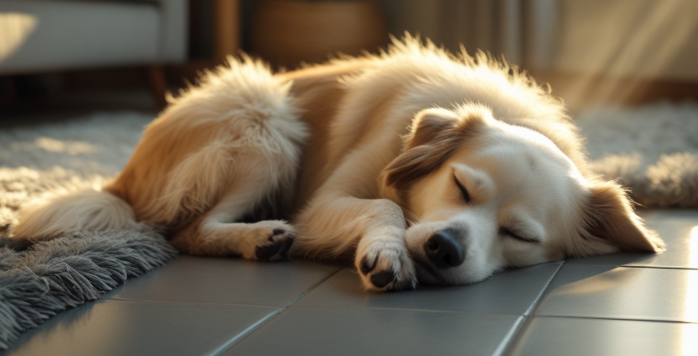
B. The Side Sleeper
Dogs lie on their side with legs stretched out.
- Relaxed and confident
- Deep, restful sleep
- Trusting their environment
Side sleepers are often well-adjusted, happy, and feel safe.
C. The Belly-Up or “Starfish”
Dogs lie on their back with legs in the air.
- Complete relaxation and trust
- Body is fully exposed—no fear
- Keeps cool by exposing belly to air
This position indicates a dog that feels secure and stress-free.
D. The Donut or “Tucked-In”
A slight variation of the curled-up position, forming a snug circle.
- Keeps warm and protected
- Feels secure while resting
- Often used by older dogs or those in cooler climates
E. The Superhero or “Prone”
Dogs lie on their stomach with legs stretched behind them.
- Energetic and playful dogs
- Ready to spring into action
- Often seen in young or high-energy breeds
F. Leaning on Humans or Objects
Dogs sleep against owners or furniture.
- Seeking comfort and security
- Showing affection and bonding
- Enhances sense of protection
A dog leaning on you is a sign of trust and attachment.
3. Interpreting Multiple Positions
Dogs often switch positions depending on temperature, mood, and environment. A dog curling up during cold nights may stretch out in the heat of the day. Observing these changes can reveal emotional and physical states.
4. Dog Sleeping Positions & Health Signals
| Position | Health or Behavior Insight |
|---|---|
| Curled-Up | Feeling safe, conserving warmth; watch for joint stiffness in older dogs |
| Side Sleeper | Healthy, relaxed, stress-free |
| Belly-Up | Comfortable, low stress; may indicate overheating if excessive |
| Donut | Security-seeking, often older or anxious dogs |
| Superhero | Energetic, playful; good for muscle development |
| Leaning on Humans | Strong bonding, attachment, may indicate separation anxiety if excessive |
5. Tips for Supporting Comfortable Sleep
- Provide a quiet, safe space for sleep
- Use soft bedding for support
- Keep temperature comfortable
- Avoid disturbances during deep sleep
- Observe positions for changes in mood or health
A happy, well-rested dog is healthier, calmer, and more affectionate.
6. Conclusion: What Your Dog Is Telling You While Sleeping
Dogs communicate silently, even in sleep. Their sleeping positions reveal mood, comfort, and health, offering valuable insights for attentive pet owners. By observing and interpreting these postures, you can strengthen your bond, ensure their well-being, and respond to needs before they become problems.
Every twist, curl, or stretch is a message from your furry companion—learning this language deepens understanding and connection.