🍽️ When Your Dog Stops Eating — What It Really Means
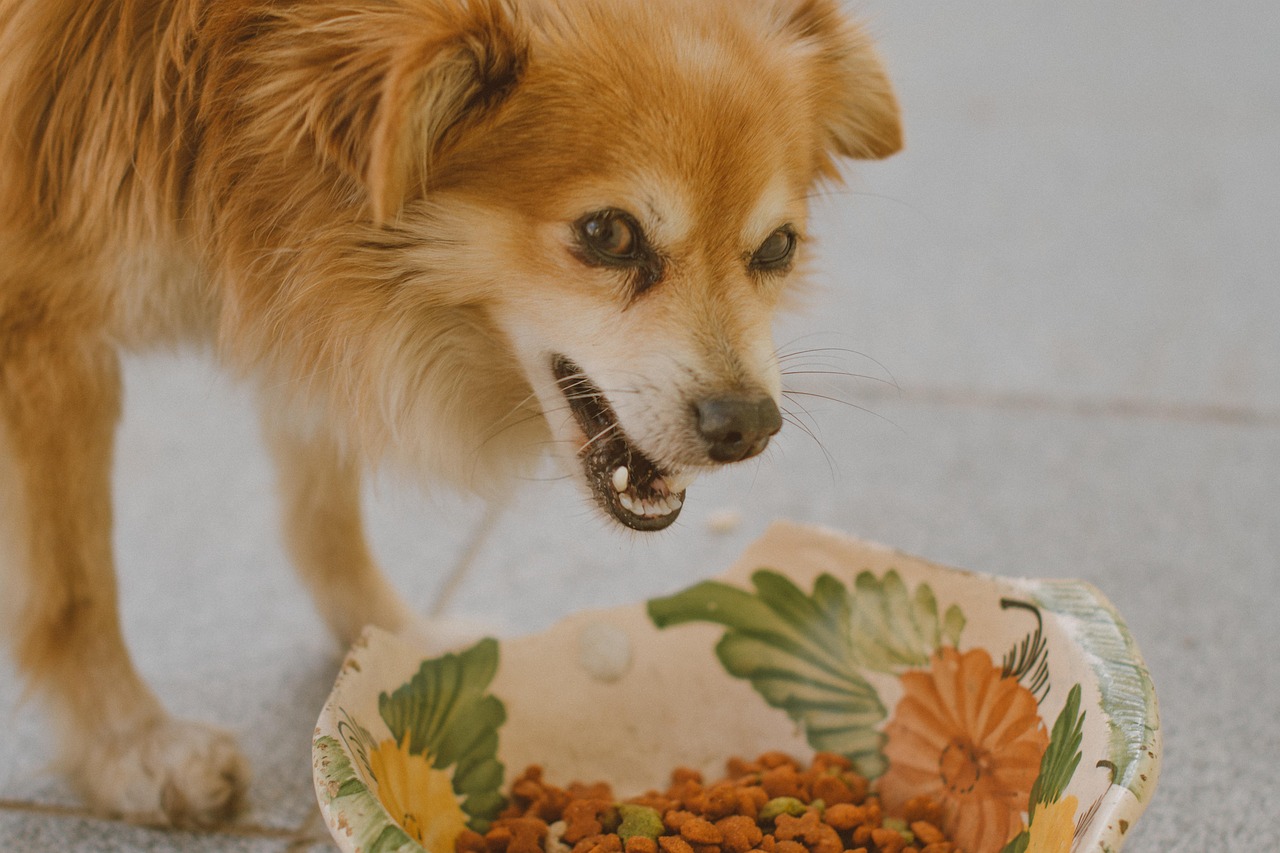
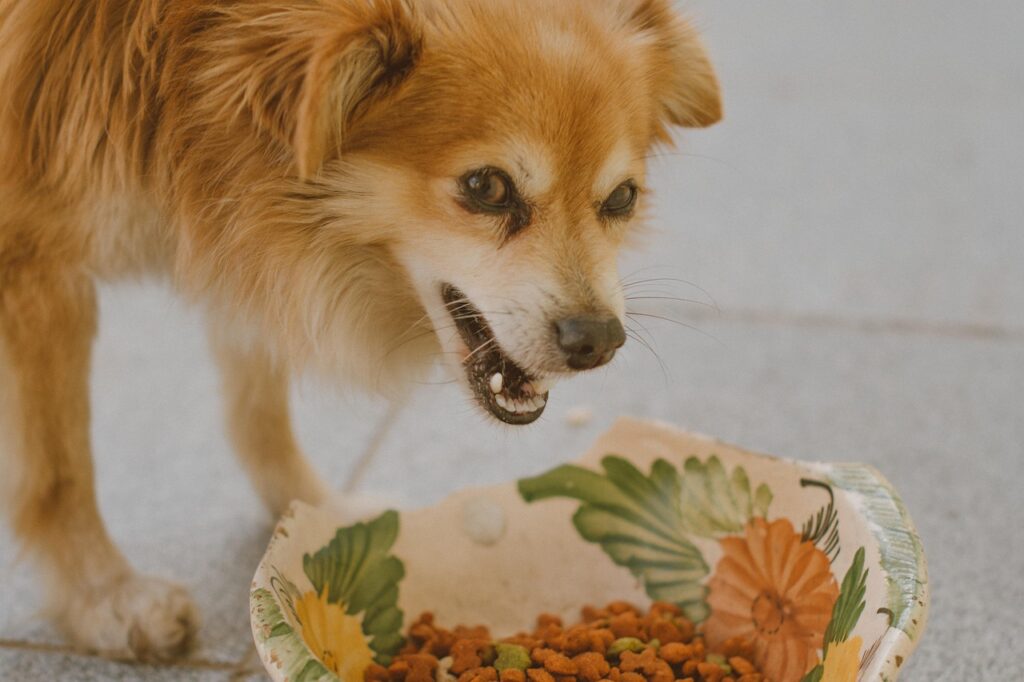
If your dog suddenly refuses food, looks less excited during meal time, or eats slower than usual, don’t panic. This behavior is more common than most owners think.
Most appetite issues are temporary and easy to fix, especially if you notice early signs.
🔍 Common Reasons Dogs Lose Appetite
Here are the most frequent causes veterinarians report:
1️⃣ Minor Stomach Upset
Just like humans, dogs get occasional digestive discomfort from eating something unusual.
2️⃣ Change in Food Brand
A sudden switch in dog food flavor, smell, or brand can cause rejection.
3️⃣ Stress or Weather Changes 🌧️🌡️
Loud sounds, visitors, hot weather, or environment shifts often affect eating habits.
4️⃣ Dental Pain
Dogs avoid chewing if they have gum swelling, broken teeth, or tartar buildup.
5️⃣ Boredom with Repetitive Food
Dogs love variety. Eating the same thing every day can make them lose interest.
🏠 Simple Home Remedies You Can Try First
These small steps work for most dogs:
🍗 Add Aroma Boosters
Mix warm broth, a spoon of curd, or chicken rice to make the smell more appealing.
🍽️ Change Bowl Position
This surprisingly fixes eating issues — some dogs avoid noisy corners.
💧 Hydrate More
Offer fresh water often. Dehydration reduces appetite.
🕒 Offer Smaller Portions
Give half meals 2–3 times a day instead of one big portion.
❄️ Monitor Weather
Dogs eat less during heat. Provide cool shaded areas and lighter meals.
🩺 When to Visit the Vet
Seek professional care if:
- Loss of appetite lasts more than 48 hours
- Dog vomits repeatedly
- Sudden weight loss
- Dog seems extremely tired or hides frequently
Early examination prevents complications.
📌 Quick Tip of the Day
Always check the expiry date of dog food. Many appetite issues come from stale kibble.