Introduction
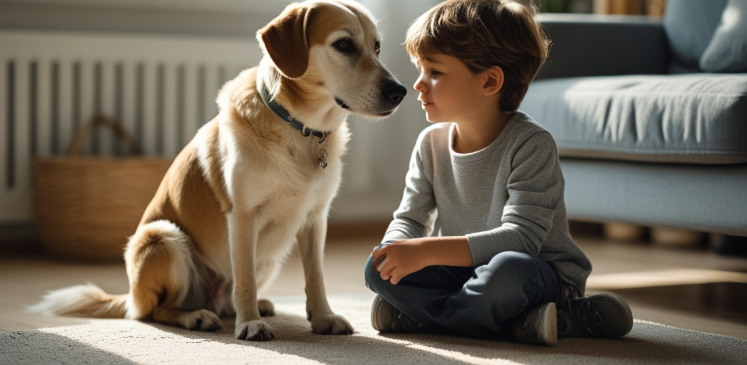
Every afternoon, after school ends and the house grows quiet, a gentle routine begins. A child sits on the living room floor, sometimes overwhelmed, sometimes restless. Right beside them lies a dog, calm and patient, never rushing, never judging. When the child feels anxious, the dog moves closer. When the child laughs, the dog’s tail slowly wags. This simple companionship has changed daily life in a way no one expected.
Many families raising children with special needs know how challenging everyday moments can be. Small routines, emotional changes, and social situations often feel overwhelming. In this home, the dog didn’t arrive with training manuals or expectations. Yet, day by day, it became a quiet helper, offering comfort, stability, and understanding in ways words never could.
What This Story Is About
This story is about a dog that naturally became a source of support for a child with special needs.
Through patience, presence, and routine, the dog helped the child feel calmer, safer, and more confident.
How the Dog Became a Supportive Companion
A Natural Connection
The bond formed slowly.
The dog stayed close without being told.
It sensed when the child needed space or comfort.
Responding to Emotions
When the child felt upset, the dog didn’t panic.
It lay nearby or rested its head gently.
This calm behavior helped settle emotions.
Becoming Part of Daily Routine
The dog followed the child during daily activities.
Meals, playtime, and rest included the dog.
Routine brought comfort to both.
Ways the Dog Helps the Child
Emotional Comfort
The dog offers steady companionship.
Its presence helps reduce feelings of loneliness.
Quiet moments feel less overwhelming.
Encouraging Communication
The child talks to the dog freely.
There’s no fear of judgment.
This builds confidence and expression.
Providing a Sense of Safety
The dog stays close during stressful moments.
Its calm behavior reassures the child.
Familiar presence creates emotional security.
Why Dogs Are Especially Helpful for Children
Sensitivity to Human Emotions
Dogs notice tone, movement, and mood.
They respond gently without instruction.
This makes them natural companions.
Non-Judgmental Companionship
Dogs don’t expect explanations.
They accept routines and differences easily.
Children feel understood without pressure.
Consistent and Predictable Behavior
Dogs thrive on routine.
Predictability helps children feel safe.
This shared structure benefits both.
Is This Common or Something Special?
This kind of bond is more common than people think.
Not all dogs become helpers in the same way.
But many naturally offer emotional support through presence.
It’s not training—it’s trust.
How the Family Noticed the Change
Meltdowns became shorter.
Smiles appeared more often.
The child slept better.
Parents noticed calmer mornings and easier transitions.
The dog quietly became part of emotional support.
What Other Families Can Learn From This Story
Animals can help without being trained.
Patience builds trust.
Routine creates comfort.
Kindness doesn’t need instructions.
Sometimes support arrives quietly.
Common Myths vs Reality
Myth: Only trained service dogs can help
Reality: Natural bonds can also provide support
Myth: Dogs don’t understand children’s needs
Reality: Many dogs respond instinctively
Myth: Animals get overwhelmed easily
Reality: Calm dogs often thrive in these roles
FAQs
Was the dog trained for this role?
No, the bond formed naturally over time.
Is it safe for children with special needs to be around dogs?
With gentle, well-behaved dogs, it often works well.
Do all dogs form this kind of bond?
Not all, but many show empathy naturally.
Conclusion
The story of a dog helping a child with special needs reminds us that support doesn’t always come from structured plans or spoken guidance. Sometimes, it comes from a warm body lying nearby, a steady presence during difficult moments, and unconditional companionship. This dog didn’t try to fix anything—it simply stayed. And in that quiet loyalty, it helped a child feel calmer, safer, and more understood. Stories like this show the deep, unspoken ways animals can change lives, one gentle moment at a time.