
Cockatiel Crest Positions: What Your Bird’s Feathers Really Mean
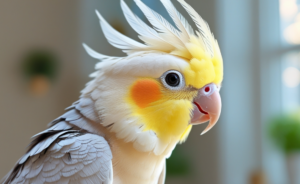
Cockatiels are one of the few pet birds that communicate using a visible body feature—their crest. This small feather crown works like an emotional antenna, revealing what they feel at any moment.
Understanding crest signals helps reduce stress, improve communication, and build a stronger bond with your bird.
This guide explains what each crest position means based on natural behavior and includes a helpful quick-reference table.
1. Why Cockatiels Use Their Crest
In the wild, cockatiels live in large flocks across Australia. Fast communication is essential for:
- Signaling danger
- Showing curiosity
- Expressing comfort
- Warning flock members
- Indicating mood changes
Pet cockatiels use these same crest movements to express their emotions at home.
2. Fully Upright Crest – Alert, Surprised, or Scared
A straight, upright crest means your cockatiel is on high alert. Something sudden or unfamiliar has caught their attention.
Common triggers include:
- Strangers entering the room
- Sudden loud sounds
- New toys or objects
- Movement from other pets
If the crest stays upright for too long, the bird may be frightened. Soft talking and a calm environment help them relax.
3. Slightly Raised Crest – Curious and Interested
This is the most common crest position and represents a relaxed, curious mood. The crest is raised but not fully straight.
Your bird may be:
- Exploring the environment
- Listening to sounds
- Enjoying your company
- Watching outdoor movement
This is a perfect time for training, treats, or bonding.
4. Flat Crest – Angry, Annoyed, or Defensive
When the crest is pinned flat against the head, your cockatiel is saying: “Stay away.”
This often occurs when:
- They feel threatened
- They don’t want to be touched
- Another bird is too close
- They’re defending food or territory
A flat crest with hissing means the bird may bite, so give them space.
5. Relaxed, Slightly Drooped Crest – Happy and Comfortable
A gently lowered crest shows your cockatiel is content and safe.
You’ll see this crest position when they are:
- Sitting on your shoulder
- Preening
- Resting
- Listening to soft music
It’s one of the most peaceful moods and a sign of trust.
6. Crest Fanned Out and Fluffed – Very Excited or Playful
A fluffed, rounded crest indicates high excitement or playful energy.
It appears during:
- Singing or whistling
- Active play
- Attention-seeking behavior
If fluffed with freezing or lethargy, observe closely—it could signal illness.
Crest Meaning Table – Quick Reference
| Crest Position | Meaning | Behavior Signs |
|---|---|---|
| Fully Upright | Alert or scared | Wide eyes, still body, quick breathing |
| Slightly Raised | Curious | Exploring, active movements |
| Flat / Pressed | Angry or defensive | Hissing, stepping back, possible bite |
| Relaxed / Drooped | Calm and happy | Preening, resting, gentle chirps |
| Fluffed | Excited or playful | Singing, hopping, playing |
7. Combine Crest Movements With Body Language
The crest alone doesn’t tell the whole story. To read your cockatiel accurately, also watch:
- Eyes: Pinning can mean excitement or irritation
- Wings: Slight lifting shows confidence
- Tail: Wagging often indicates happiness
- Sounds: Hissing, singing, and chirping add emotional context
With time, you’ll understand your cockatiel’s “language” effortlessly.
Conclusion
Cockatiel crest positions provide a clear window into their emotions. By observing whether the crest is upright, relaxed, flat, raised, or fluffed, you can better understand your bird’s needs, comfort level, and overall mood.
The more you read these signals, the stronger your bond becomes, helping your bird feel safe, understood, and loved.