Cockatiel Care Guide: Tips for Beginners and Bird Lovers
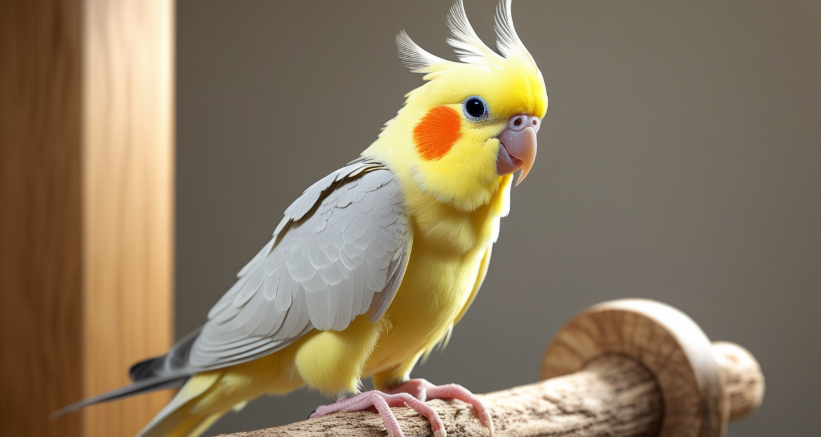
Cockatiels are one of the most gentle and friendly birds kept as pets, making them perfect for beginners or experienced bird enthusiasts. Known for their expressive crest, soft whistles, and affectionate behavior, cockatiels are quieter and easier to maintain than larger parrots. This guide covers essential care tips — from cage setup to training — for a happy, healthy bird.
Social Nature of Cockatiels
Cockatiels are naturally social. In the wild, they live in flocks and communicate through chirps, whistles, and crest movements. Indoors, they look for interaction with humans, enjoying:
- Sitting on shoulders
- Exploring rooms safely
- Whistling back when you talk
Their gentle nature makes them suitable for families, students, or anyone seeking a calm companion.
Cage Setup
Choosing the right cage is crucial for cockatiel wellbeing. Key points:
- Horizontal space is more important than height — they prefer short flights.
- Cage width: at least 90 cm for one bird; larger is always better.
- Include natural wood perches, a swing, and safe toys like ropes, wooden blocks, or shreddable paper.
- Place in a well-lit room, avoiding direct heat or cold drafts.
- Maintain a consistent day-night cycle to help them stay relaxed.
Diet and Nutrition
A balanced diet is essential for cockatiel health:
- Pellets and cockatiel seed blends as staples
- Fresh vegetables: spinach, carrot, bell pepper, green beans
- Occasional fruits: apple, pear, berries
- Cuttlebone for calcium
- Fresh water available at all times (change daily)
Avoid: avocado, caffeine, chocolate, and salty snacks — harmful to birds.
Socialization and Training
Cockatiels need daily interaction and gentle training:
- Talk softly near the cage
- Offer millet treats through the bars
- Teach simple steps like stepping onto your finger
- Short sessions of 5 minutes repeated throughout the day
- Use gentle voice tones and rewards
With consistency, cockatiels often learn whistling patterns and small tricks.
Enrichment and Play
- Rotate toys weekly to prevent boredom
- Supervised out-of-cage time for exercise
- Safe exploration of shelves or perches
Health Signs to Watch
Healthy cockatiels are lively, smooth-feathered, curious, and eat regularly. Warning signs include:
- Sitting still for lo