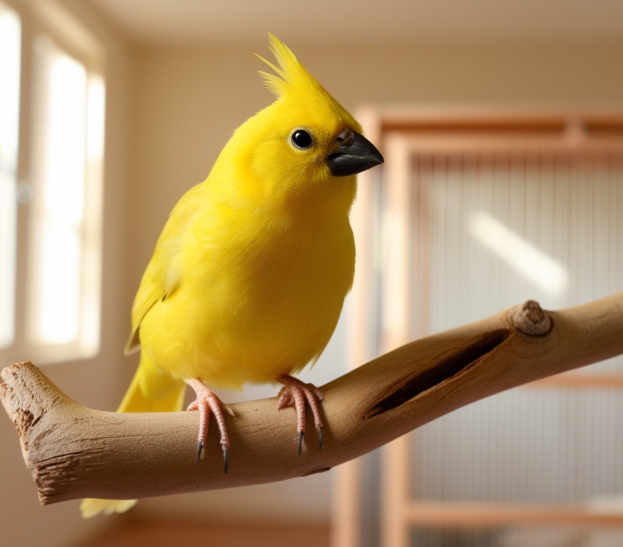
The canary is one of the most charming, friendly, and peaceful pet birds you can keep at home. Their bright colors, melodious voice, and gentle nature make them a perfect choice for beginners who want a small and low-maintenance bird. But even though canaries are easy to care for, they still need proper attention, a comfortable environment, and a balanced diet to stay active and healthy. Here is a simple, human-friendly guide to help you raise a happy canary.
🌼 Why Canaries Make Great Pets
- They are quiet compared to parrots
- Require small space
- Usually not aggressive
- Live 8–12 years with good care
- Their singing makes home peaceful
One thing new owners love is that canaries do not require constant handling. They are comfortable watching you from the cage and singing happily. So if someone wants a bird but doesn’t have much free time, a canary is a perfect choice.
🏡 Ideal Cage & Setup
A canary enjoys space more than toys. They love flying in straight lines, so choose a longer cage instead of a tall one.
Here’s what they need:
- A minimum 18–24 inch long cage
- Wooden or natural perches
- One small swing
- A cuttlebone for calcium
- Clean water every day
- No heavy toys (they get stressed easily)
Place the cage in a quiet, bright spot, but not under direct sunlight. Avoid noisy places and ceiling fans, as sudden movements frighten small birds.
🍏 Diet: What a Canary Should Eat
To keep your canary energetic and brightly colored, follow this balanced diet:
Daily Food
- Canary seed mix
- Fresh water
Weekly Extras
- Apple (tiny piece)
- Carrot (grated)
- Spinach or lettuce
- Cooked egg mix (for protein)
- Broccoli bits
Avoid Foods
❌ Chocolate
❌ Avocado
❌ Salted snacks
❌ Milk products
❌ Fried or sugary items
If you want brighter feather color, offer yellow canary color food (safe and natural).
🎶 How to Encourage Singing
Male canaries sing more, but females also chirp pleasantly. To help them sing:
- Keep them near natural sunlight
- Maintain a fixed day-night routine
- Avoid loud noises
- Offer mild bird vitamins
- Cover the cage at night for complete rest
- Play soft canary song recordings occasionally
If your bird stops singing suddenly, it may be due to stress, molting season, or sudden temperature changes.
🛁 Bathing & Cleaning
Canaries love bathing. Provide a small shallow bowl of water twice a week.
Also clean the cage:
- Every day: replace food & water
- Every 3 days: clean bottom tray
- Every 1–2 weeks: wash cage with mild soap
Clean environments mean healthier birds.
❤️ Human Interaction & Training
Canaries are friendly, but they like personal space. Instead of touching them:
- Talk softly
- Move slowly around them
- Offer treats through cage bars
- Allow them to observe you
Over time, your canary learns your voice and becomes more comfortable.
🌡 Health Tips to Watch
A healthy canary is active, sings often, and eats well.
Seek help if you notice:
- Fluffed up feathers all day
- Sitting quietly at bottom of cage
- Not singing for weeks
- Eating less
- Sticky droppings
Keep the room temperature between 20–28°C to avoid illness.