Butterflyfish: The Living Jewel of Coral Reefs
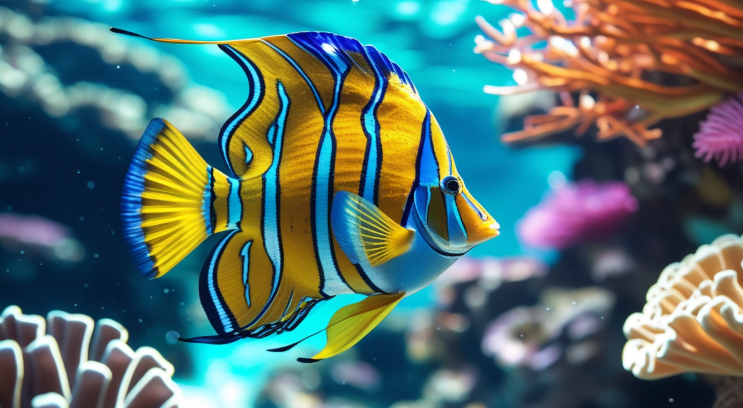
Gliding gracefully through coral reefs, the butterflyfish looks like a piece of living jewelry. With bold patterns, bright colors, and delicate movements, this fish is one of the most recognizable residents of tropical oceans. Found in warm waters around the world, butterflyfish are not only beautiful—they play an important role in maintaining healthy coral reef ecosystems.
2. Natural Habitat and Distribution
Butterflyfish live primarily in shallow tropical and subtropical oceans, closely associated with coral reefs.
- Coral-rich lagoons
- Reef slopes and drop-offs
- Clear, warm coastal waters
- Areas with abundant coral growth
They are commonly found in the Indian Ocean, Pacific Ocean, and Red Sea, rarely straying far from reef structures.
3. Why Butterflyfish Are So Colorful
The vibrant colors of butterflyfish serve multiple survival purposes.
- Camouflage among corals and reef patterns
- Species recognition for identifying mates
- Warning signals to discourage predators
- False eye spots that confuse attackers
Each stripe, spot, and color contrast is a carefully evolved tool for reef survival.
4. Table: Butterflyfish vs Other Reef Fish
| Feature | Butterflyfish | Angelfish | Clownfish |
|---|---|---|---|
| Body shape | Flat, disk-like | Oval | Compact |
| Diet | Coral polyps, invertebrates | Omnivorous | Omnivorous |
| Reef dependence | Very high | Moderate | High |
| Pair bonding | Strong | Moderate | Strong |
| Aquarium difficulty | High | Moderate | Easy |
5. Behavior and Social Life
- Often swim in monogamous pairs
- Defend small territories within the reef
- Move gracefully with precise fin control
- Use visual signals to communicate
Two butterflyfish swimming side by side is a classic reef sight and a sign of strong pair bonding.
6. Feeding Habits: Coral Specialists
Many butterflyfish species feed directly on coral polyps, while others consume:
- Small crustaceans
- Worms
- Algae
- Zooplankton
Because of this specialized diet, butterflyfish act as natural indicators of coral reef health.
7. Butterflyfish in Aquariums: Beauty with Challenges
Despite their beauty, butterflyfish are not ideal for beginner aquariums.
- Require large, stable marine tanks
- Many species refuse artificial foods
- Highly sensitive to water quality changes
- Need calm, peaceful tank mates
For most people, butterflyfish are best admired in the wild.
8. Role in the Reef Ecosystem
- Prevent overgrowth of certain coral species
- Help control invertebrate populations
- Serve as prey for larger reef predators
Their presence reflects balance and biodiversity within reef ecosystems.
9. Conservation Concerns
Butterflyfish face increasing threats due to:
- Coral bleaching
- Rising ocean temperatures
- Marine pollution
- Destructive fishing practices
Protecting coral reefs directly protects butterflyfish and countless marine species.
10. Conclusion: A Jewel Worth Protecting
The butterflyfish truly earns its reputation as the jewel of the coral reef. Its brilliant colors, elegant movements, and close relationship with coral make it one of the ocean’s most captivating creatures. Beyond beauty, butterflyfish serve as vital indicators of reef health—reminding us that protecting coral ecosystems ensures these living gems continue to shimmer beneath the sea.