Betta Fish
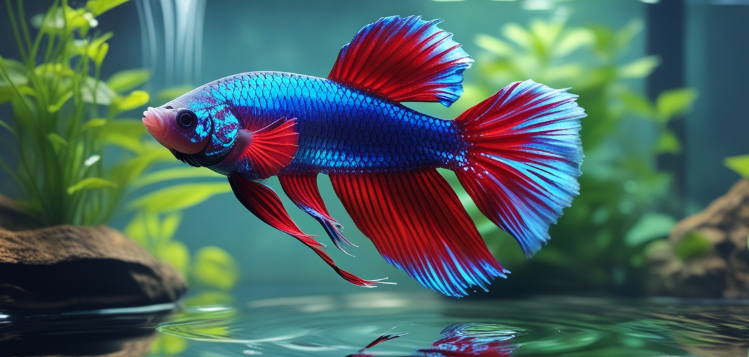
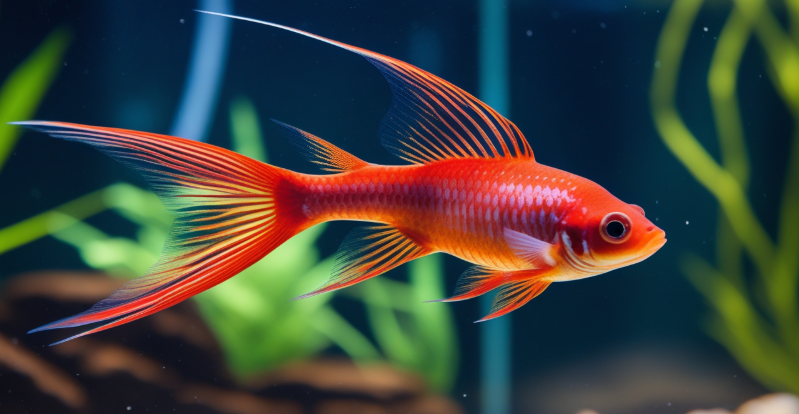
Betta fish, often called the “Siamese fighting fish,” is one of those animals that immediately catches your eye the moment you see it. Their long flowing fins and bright colors look like something from a painting. Many people in Nepal are now keeping bettas because they don’t require a big space, and they live comfortably even in small rooms or apartments. But while they are easy to keep, bettas also have their own personality, habits, and needs that every owner should understand.
Why Bettas Are So Popular
One of the main reasons bettas attract attention is their color variety. Some look like living rainbows, some have a galaxy pattern, and some have a solid red or blue shade. Even the way they swim is different—slow, gentle, and almost dramatic.
But the interesting part is their temperament. Bettas can be calm one moment and suddenly flare their fins in a defensive posture the next. This unique behavior makes them fun to observe.
Basic Betta Care (Simple Student-Friendly Guide)
Here is a simple table to understand what a betta needs:
| Requirement | Details |
|---|---|
| Tank Size | Minimum 8–10 liters (bigger is better) |
| Water Temperature | 25°C–28°C |
| Water Change | 25–30% every 4–5 days |
| Food Type | Pellets, dried worms, frozen bloodworms |
| Tank Mates | Prefer living alone |
Even though bettas survive in small bowls, that does not mean they enjoy it. A proper small tank with a filter makes their life healthier and longer.
Personality Traits That Make Bettas Fun
Unlike many fish, bettas behave like little underwater pets. They often follow your finger along the glass or come near the surface expecting food. They remember feeding time and even show signs of excitement when they see their owner.
Some owners describe bettas as:
- Curious
- Slightly moody
- Brave for their size
- Easily stressed
- But also extremely loyal in behavior
They don’t talk, but their body language is clear enough to show when they are comfortable or upset.
Common Mistakes People Make
Many beginners unintentionally harm their bettas by repeating common mistakes. Here are a few to avoid:
- Keeping bettas in small glass jars
- Placing male bettas together (they will fight)
- Overfeeding (causes bloating)
- Using very cold water
- Keeping them in direct sunlight
Bettas are hardy, but not immortal. A little care goes a long way.
Feeding: What They Actually Like
Bettas love high-protein food. In the wild, they eat insects and small creatures.
At home, their diet can include:
- Betta pellets
- Frozen mosquito larvae
- Bloodworms
- Brine shrimp
Feeding them too much at once makes the water dirty. Two small meals a day is enough.
Signs Your Betta Is Healthy
A happy betta shows clear signs:
- Bright, active swimming
- Good appetite
- Opening and spreading fins wide
- No spots or white patches
- Smooth breathing
If your betta becomes slow or hides too much, check water quality and temperature.
Why Bettas Are Great for Beginners & Students
Many Nepali students live in hostels or rented rooms, where large pets aren’t allowed. Bettas offer a low-maintenance option that still brings joy. Their tanks don’t take much space, they are quiet, and they create a peaceful environment. Watching them swim can be surprisingly relaxing, especially after a long day of study.
Final Thoughts
A betta fish is not just a colorful decoration; it’s a small living creature with emotions and habits. Taking care of one teaches patience, responsibility, and basic knowledge of aquatic life. Whether you keep one in your study table or near your window, a betta adds beauty and calmness to your daily routine. With proper care, these fish live for 3–5 years, sometimes even longer.