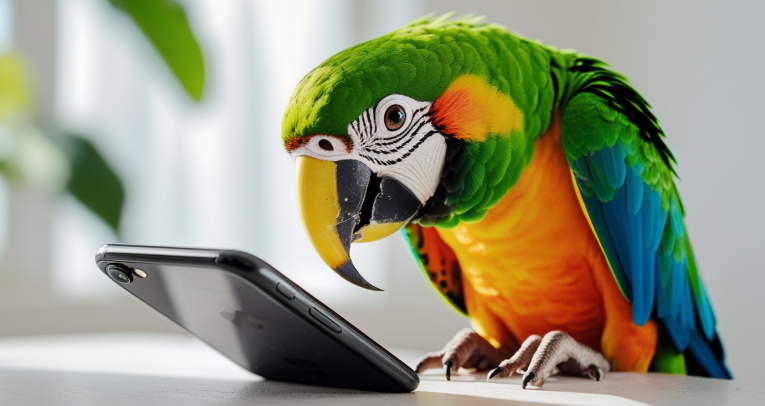
Parrots are one of the most intelligent and affectionate birds kept as pets. Their bright colors, playful nature, and ability to mimic human speech make them extremely popular worldwide. But caring for a parrot isn’t just about keeping it in a cage. Your parrot needs proper nutrition, mental stimulation, grooming, and a safe environment to live a long and joyful life. This guide explains everything you need for successful parrot care in 2025 and beyond.
🌿 1. Provide a Spacious & Clean Living Environment
A parrot’s cage should be big enough so it can stretch its wings comfortably. The bigger the parrot species (like African Grey or Macaw), the larger the cage must be.
✔️ Cage Tips
- Minimum width should be twice your parrot’s wingspan.
- Use stainless steel cages—they last long and are safe.
- Place perches at different heights for exercise.
- Clean the cage every 2–3 days to prevent bacteria.
Avoid placing the cage in the kitchen or near smoke, as parrots are sensitive to fumes.
🍎 2. Balanced Nutrition for a Healthy Parrot
Diet is one of the biggest factors affecting a parrot’s lifespan and energy.
✔️ Healthy Foods
- Fresh fruits 🍌🍎
- Vegetables 🥦🥕
- High-quality parrot pellets
- Seeds (in moderation)
- Clean, fresh water at all times
❌ Foods to Avoid
- Avocado
- Chocolate
- Alcohol
- Junk food
- Raw onions and garlic
A balanced diet improves feather quality, immunity, and behavior.
🎯 3. Mental Stimulation & Toys
Parrots are incredibly smart and get bored easily. Boredom can lead to plucking feathers, biting, or loud screaming.
✔️ Best Stimulation Ideas
- Puzzle toys
- Colorful chew toys
- Rope toys
- Foraging toys
- Talking sessions 10–15 minutes/day
Try rotating toys weekly—this keeps the environment fun and fresh!
🤝 4. Socialization & Human Bonding
Parrots form deep emotional connections with their human companions.
Ways to Build Trust:
- Talk softly to your parrot daily
- Offer treats from your hand
- Avoid sudden loud noises
- Let the bird sit on your shoulder (if trained)
A loved parrot is always a happy parrot.
✂️ 5. Grooming & Health Care
Parrots need regular grooming for comfort and hygiene.
✔️ Grooming Steps
- Trim nails every 3–4 months
- Provide a bird-safe bath bowl
- Offer cuttlebone for beak health
- Check feathers weekly
If you notice your parrot acting tired, losing feathers, or refusing food, immediately visit a bird vet.
🏋️ 6. Daily Exercise & Flight Time
If possible, allow your parrot 1–2 hours outside the cage in a safe room. Flying or walking around helps maintain muscle strength and reduces stress.
💚 Final Thoughts
Taking care of a parrot requires time and love, but the reward is priceless. With proper feeding, training, and attention, your parrot will live a long, active, and joyful life. Make this year the best year for your feathered friend! 🦜✨