The Barn Owl – A Complete Guide to the Ghost of the Night
The Barn Owl is one of the most mysterious and graceful night birds in the world. With its heart-shaped face, golden wings, and almost silent flight, the Barn Owl has captured the imagination of people for centuries. Beyond its beauty, it plays a vital role in nature by controlling rodent populations and keeping ecosystems balanced.
📌 Quick Profile Table (Barn Owl)
| Category | Details |
|---|---|
| Scientific Name | Tyto alba |
| Category | Bird |
| Origin | Worldwide (except extreme deserts & polar regions) |
| Average Size | 33–39 cm |
| Wingspan | 80–95 cm |
| Lifespan | 4–10 years (in the wild) |
| Nature | Nocturnal, solitary |
| Diet | Rodents, insects, small birds |
| Flight Style | Silent gliding |
| Nickname | Ghost Owl / Silent Owl |
🌟 Appearance: A Bird with a Heart-Shaped Mask
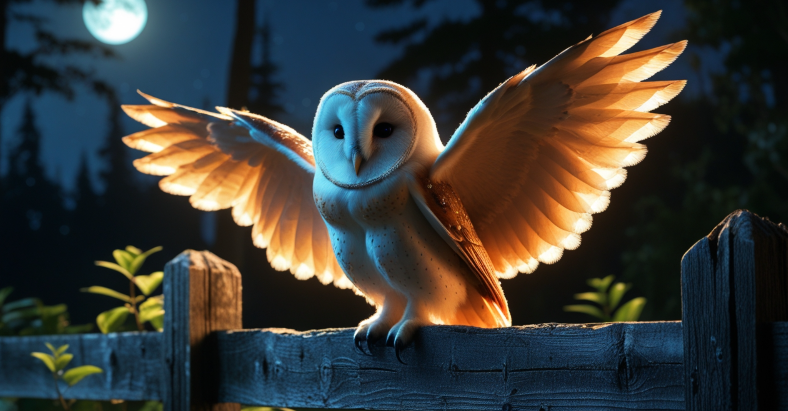
The Barn Owl has one of the most recognizable looks among all owl species. Its standout features include:
- Heart-shaped facial disc that helps channel sound to its ears
- Golden-brown wings with small pale spots
- Bright white chest and face
- Long legs adapted for catching prey
- Dark, mysterious eyes that shine in low light
🌙 Night Life: How Barn Owls Survive After Dark
Barn Owls are completely nocturnal and begin hunting just after sunset. Their night skills make them exceptional hunters:
1. Ultra-Sensitive Hearing
Their ears are positioned at uneven heights, allowing them to detect even the slightest movement under grass.
2. Silent Flight
Special feather edges reduce noise, helping them glide like a ghost—one reason farmers love them.
3. Powerful Night Vision
Barn Owls see clearly in very low light, helping them spot prey from long distances.
🌾 Role in Nature & Farmlands
Barn Owls are nature’s most effective pest controllers. A single owl can eat:
- 3–4 mice per night
- Over 1,000 rodents in a year
This reduces the need for chemical pesticides and keeps farmlands healthy.
🏡 Habitat & Where They Live
Barn Owls are widely spread across continents and prefer:
- Old barns and abandoned buildings
- Tree hollows
- Open fields and grasslands
- Edges of forests
The name “Barn Owl” comes from their tendency to live near human farms.
🥚 Breeding & Family Life
Barn Owls do not build nests like other birds. They lay eggs in:
- Barns and lofts
- Tree holes
- Old buildings
- Nesting boxes
A female usually lays 4–7 eggs, and both parents work together to feed the chicks.
🍽 What Barn Owls Eat
Their diet includes:
- Mice
- Rats
- Voles
- Insects
- Small birds (rarely)
They swallow prey whole and later spit out pellets containing bones.
⚠ Threats & Conservation
Despite their wide distribution, Barn Owls face threats such as:
- Loss of habitat
- Pesticide poisoning
- Road accidents
- Short lifespan in the wild
Farmers and conservationists help them by placing owl nest boxes and reducing chemical usage.
🌟 Why People Love Barn Owls
People admire Barn Owls because they are:
- Graceful and peaceful
- Helpful for controlling rodents
- Beautiful and mysterious
- Symbols of wisdom, intuition, and good luck