
Golden Retriever – Complete Care Guide for Owners

Introduction
The Golden Retriever is one of the most popular dog breeds worldwide, loved for its friendly personality, loyalty, and cheerful nature. Known for being gentle with children, highly intelligent, and easy to train, Golden Retrievers are perfect family companions. Understanding their needs, behavior, and lifestyle helps create a happy and healthy environment.
Breed Overview
| Feature | Details |
|---|---|
| Origin | Scotland |
| Size | Medium to Large |
| Weight | 25–34 kg |
| Lifespan | 10–12 years |
| Coat Type | Thick, double-layer, water-resistant |
| Nature | Friendly, Social, Intelligent, Playful |
Appearance and Personality
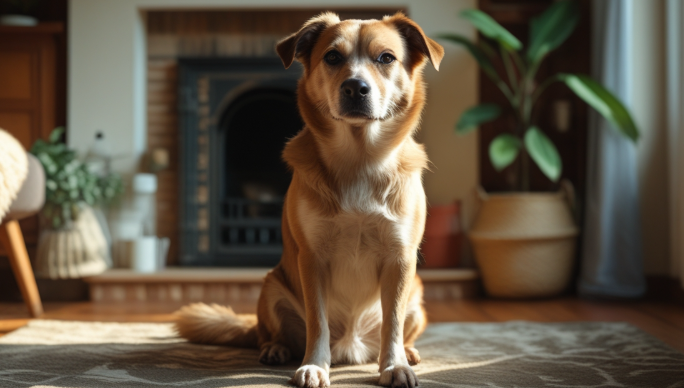
Golden Retrievers are well known for their glowing golden coats, expressive eyes, and warm-hearted nature. Their soft expression and constant tail wag make them look inviting and lovable.
Personality Highlights
- Extremely social and loving
- Gentle with children and elders
- Highly trainable and obedient
- Energetic, playful, and active
- Rarely aggressive
- Great with other pets
Their balanced temperament makes them perfect for beginners and experienced owners alike.
Diet and Feeding Guidelines
A proper diet keeps Golden Retrievers healthy and prevents obesity—a common issue in this breed.
Ideal Diet Includes:
- High-quality dry dog food
- Boiled chicken, lamb, or fish
- Vegetables: carrots, peas, pumpkin
- Rice or oatmeal (small portions)
- Occasional dog treats
Foods to Avoid:
- Chocolates
- Onions and garlic
- Oily or salty food
- Fried snacks
- Bakery sweets
Daily Feeding Routine
| Age | Feeding Frequency |
|---|---|
| 2–6 months | 3 meals/day |
| 6–12 months | 2 meals/day |
| Adult | 2 meals/day |
Training and Intelligence
Golden Retrievers are one of the smartest dog breeds. They learn quickly, enjoy challenges, and love receiving praise.
Training Points
- Start socialization at 2–3 months
- Teach basic commands: sit, stay, come
- Use a gentle voice and patience
- Short, fun training sessions
- Avoid punishment or shouting
Exercise Needs
Golden Retrievers need at least 1–2 hours of daily activity to stay healthy and happy.
Best Activities:
- Fetch games
- Swimming (they love water!)
- Daily walks or light jogging
- Tug and rope toys
- Hide and seek games
- Agility training
Without proper exercise, they may become bored and chew household items.
Grooming and Maintenance
Golden Retrievers shed heavily, especially during seasonal changes. Regular grooming keeps their coat healthy and reduces shedding.
Grooming Routine
| Care Type | How Often |
|---|---|
| Brushing | 3–4 times a week |
| Bathing | Every 4–6 weeks |
| Nail Trim | Every 2 weeks |
| Ear Cleaning | Weekly |
| Teeth Cleaning | 2–3 times weekly |
Health and Common Problems
- Hip and elbow dysplasia
- Skin allergies
- Ear infections
- Obesity
- Heart issues (rare but possible)
Regular vet visits and clean living conditions prevent most problems.
Is a Golden Retriever Right for You?
- You want a friendly, loyal family dog
- You have children or other pets
- You enjoy outdoor activities
- You want an easy-to-train breed
- You can give daily exercise and attention
Conclusion
Golden Retrievers are one of the most lovable and trusted dog breeds. With their gentle nature, intelligence, and loyalty, they make excellent family pets. With proper care, grooming, training, and affection, a Golden Retriever becomes a lifelong friend who brings joy, warmth, and endless love to any home.