Introduction
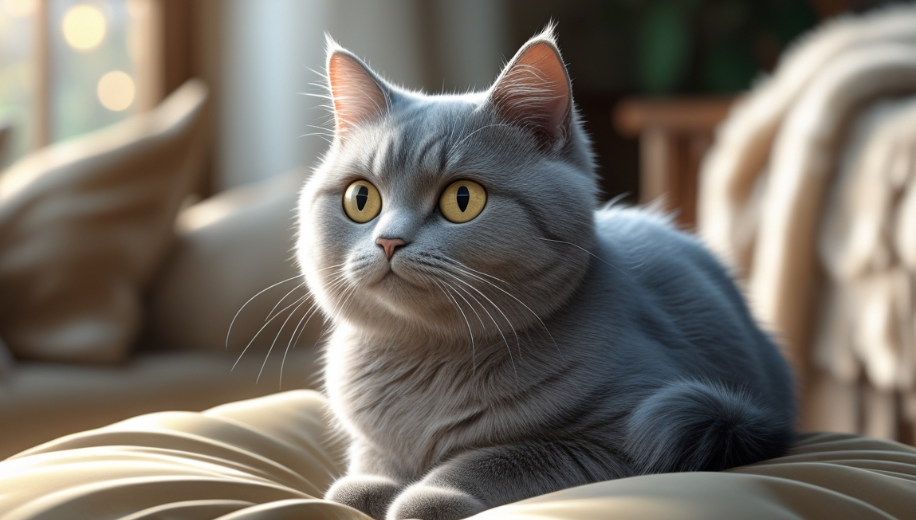
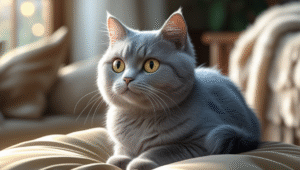
The British Shorthair is famous for its round face, golden or copper eyes, and plush teddy-bear coat. Calm, gentle, and friendly, this cat is ideal for families, beginners, and busy people.
Breed Overview
| Feature | Details |
|---|---|
| Origin | United Kingdom |
| Size | Medium to Large |
| Weight | Males 5–9 kg, Females 4–7 kg |
| Lifespan | 12–20 years |
| Coat | Short, dense, soft |
| Popular Colors | Blue, Lilac, Cream, Black, Bi-Color |
| Nature | Calm, Independent, Friendly |
Appearance and Personality
British Shorthairs are known for their:
- Round cheeks and large bright eyes
- Thick, soft, teddy-like fur
- Strong and muscular body
- Calm and intelligent behavior
They are affectionate but not overly clingy, enjoying time near their owners without constant attention.
Temperament: What Makes Them Special
British Shorthairs are naturally well-behaved. They adapt easily to indoor life, rarely scratch furniture, and are quiet. They get along well with children, dogs, and other cats.
Personality Points
- Friendly with guests
- Enjoy sitting beside people
- Independent but loving
- Playful but not hyperactive
- Very quiet and peaceful
Feeding and Diet
A healthy diet keeps their coat shiny and prevents obesity.
Recommended Diet
- High-protein dry food
- Balanced wet food (2–3 times weekly)
- Occasional boiled chicken or fish
- Fresh water always available
Foods to Avoid
- Excessive tuna
- Milk (causes stomach issues)
- Fatty human food
- Raw meat from unknown sources
Grooming and Care
British Shorthairs have a dense coat, so regular grooming is essential.
Grooming Routine
| Care Type | Frequency |
|---|---|
| Brushing | 2–3 times per week |
| Bathing | Once every 4–6 weeks |
| Nail Trimming | Every 2 weeks |
| Eye/Cleaning | Weekly |
| Ear Cleaning | Monthly |
Health and Common Issues
Common problems in British Shorthairs include:
- Weight gain due to low activity
- Dental tartar and gum issues
- Heart problems (rare with good breeding)
- Joint stiffness in older age
Regular vet checkups, balanced diet, and light daily play prevent most issues.
Exercise and Activities
- Feather toys
- Soft balls
- Cat tree climbing
- Puzzle feeders
- Laser pointer games (short time)
Is a British Shorthair Right for You?
- Families with children
- First-time cat owners
- Students and working people
- Apartment living
- People wanting a calm companion
Conclusion
The British Shorthair cat is gentle, charming, and relaxed. With proper care, feeding, and daily play, they live long, healthy, and joyful lives. They are perfect for anyone seeking a peaceful, affectionate, and beautiful feline companion.