
Budgerigar (Budgie) Care Guide – Food, Cage, Training, and Health Tips
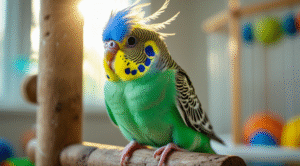
Budgerigars — commonly called budgies or parakeets — are among the world’s most popular pet birds. Small, colorful, and full of personality, budgies bring energy and music into any home. They’re ideal for apartments or students seeking a lively companion without the space needs of larger parrots.
⭐ Social Needs
Budgies are naturally social birds. In the wild, they live in flocks and communicate constantly. For pet budgies:
- A single budgie bonds to its human, but needs daily interaction.
- A pair keeps each other company and displays natural behaviors.
- Ensure the cage is large enough if you have two birds.
🏠 Cage and Environment
- Provide horizontal flight space — minimum width 90–100 cm for 1–2 birds.
- Use natural wood perches at different heights; add swings.
- Keep the cage in a bright room, avoiding direct midday sun and drafts.
- Cover the cage at night (10–12 hours) for rest.
🥗 Diet
- Staple: high-quality seed mix or pellets for parakeets.
- Fresh vegetables: spinach, carrot, broccoli.
- Fruits in moderation: apple (no seeds), banana.
- Cuttlebone or mineral blocks for calcium and beak health.
- Avoid avocado, chocolate, caffeine, salty or sugary snacks.
- Provide fresh water daily.
🐦 Socialization and Training
- Short, frequent sessions (3–5 minutes) several times a day.
- Use millet sprays or tiny seed treats as rewards.
- Teach basic steps: step up, step down, go to perch.
- Speak softly and mimic their sounds to encourage interaction.
- Many budgies learn words or whistles with patient practice.
🧩 Mental Stimulation
- Rotate toys weekly: bells, chewable wood, shredding paper, foraging toys.
- Provide supervised out-of-cage time in a bird-safe room.
- Always supervise free flight to prevent accidents.
🩺 Health Signs to Watch
- Healthy: active, bright-eyed, smooth feathers.
- Warning signs: fluffed feathers, reduced appetite, eye/beak discharge, heavy breathing, unusual droppings.
- Consult an avian vet if warning signs appear.
- Regular care: nail trimming, beak checks, cage cleanliness.
💡 Breeding Note
Budgies breed readily in captivity. If not prepared for chicks:
- Avoid nesting boxes.
- Separate males and females.
- Breeding adds responsibilities: more space, nest monitoring, and vet guidance.
🌟 Final Tips
- Keep the environment calm.
- Maintain a consistent daily routine.
- Give your budgie time to learn and trust you.
- With a balanced diet, stimulating toys, regular interaction, and clean cage, your budgie becomes a joyful, singing companion.
Budgerigars may be small, but their hearts are big — treat them kindly, and they’ll reward you with color, cheer, and intelligence.