Peaceful Community Fish for Beginners — Create a Calm, Vibrant Aquarium
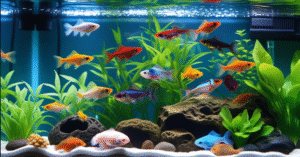
A friendly, practical guide to choosing peaceful fish and building a stress-free mixed-species tank.
What Is a Community Aquarium?
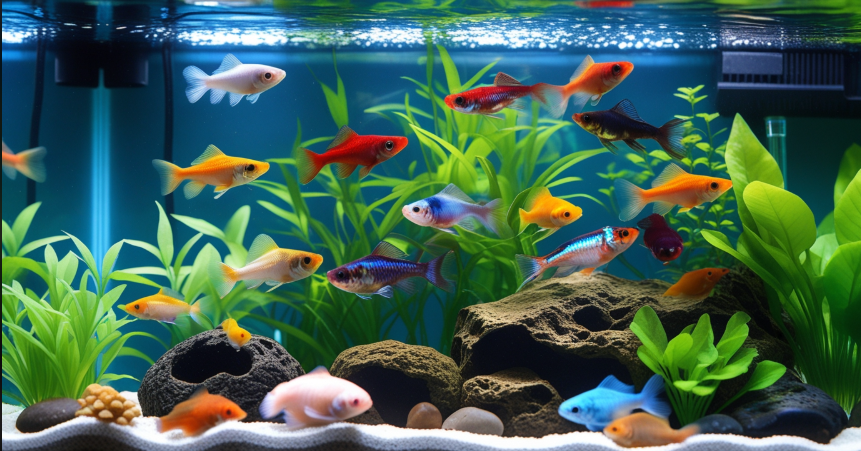
A community aquarium is a mixed-species tank where different fish live together with minimal aggression. The goal is simple: low stress, no bullying, and a balanced, attractive aquarium. Community tanks are ideal for beginners because peaceful species are easier to care for and show prettier group behavior.
Top Peaceful Fish That Work Well Together
Below are beginner-friendly fish that are widely recommended for peaceful community setups. Keep them in compatible groups and your tank will feel lively and relaxed.
- Neon Tetras — small, shimmering, and happiest in schools of 10+. They bring gentle movement and color to mid-water levels.
- Guppies — colorful, hardy, and sociable. Guppies are active mid-to-top swimmers that do well with other small peaceful fish.
- Corydoras Catfish — bottom-dwelling cleaners that like to be in groups of 4–6. They keep the substrate tidy and are extremely peaceful.
- Mollies — calm surface-to-mid swimmers that adapt easily to planted tanks and community life.
- Platies — colorful, hardy, and very beginner-friendly; good community companions.
- Harlequin Rasboras — elegant schooling fish with a calm temperament and a lovely group display.
Quick Compatibility Tips
- Schooling fish (tetras, rasboras) should be kept in groups — they feel safe and display best that way.
- Avoid mixing sizes: don’t put tiny fish with large, fast-moving species that might bully or eat them.
- Similar water needs: choose species with matching temperature and pH preferences to reduce stress.
- Temperament match: shy fish pair best with gentle, non-aggressive tank mates.
Create a Calm Tank Environment
Peaceful fish need more than friendly neighbors — they need a peaceful home. These simple steps reduce stress and keep conflict low.
- Lots of plants: live or dense artificial plants create hiding spots and reduce territorial fights.
- Adequate swimming space: avoid overcrowding. More water volume = calmer fish.
- Clean water & good filtration: healthy water makes fish less irritable and more vibrant.
- Feed correctly: small portions twice daily to avoid waste and aggression at mealtimes.
- Stable conditions: avoid sudden temperature or chemistry changes when doing water changes.
Recommended Tank Sizes
A 60-liter (about 15-gallon) tank is a good starter size for a small community. If you plan to keep larger groups or more species, consider 80–100 liters (20–26 gallons) or bigger — more space equals fewer problems.
Fish to Avoid in a Community Tank
Certain species tend to cause trouble in peaceful mixed tanks. Skip these for beginners:
- Male Betta fish: can be territorial and may attack others.
- Oscars and large cichlids: aggressive predators that need species-only setups.
- Tiger barbs: known fin-nippers and not ideal with long-finned or slow fish.
- Goldfish with tropicals: they prefer much cooler water and produce heavy waste.
A Simple Weekly Care Checklist
- Check water temperature and clarity.
- Perform a 20–30% water change each week.
- Vacuum gravel lightly to remove trapped food and waste.
- Trim plants and remove rotting leaves.
- Observe fish behavior — note any chasing, hiding, or loss of appetite.
Final Thoughts
A peaceful community aquarium is one of the most rewarding setups for beginners. Choose friendly species like neon tetras, guppies, corydoras, platies, and rasboras, provide plenty of plants and space, and keep water stable. With a little planning and regular care, your aquarium will become a serene, colorful corner of your home — a living display that calms the mind and delights the eyes.
Tip: Start small, observe closely, and add fish slowly — patience is the secret to a peaceful tank.