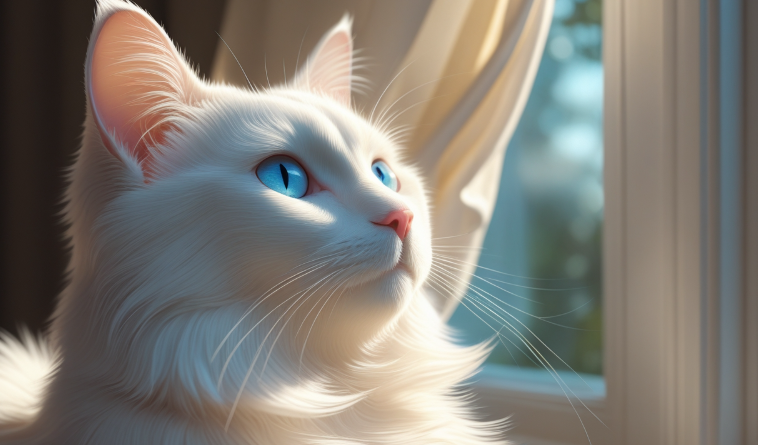
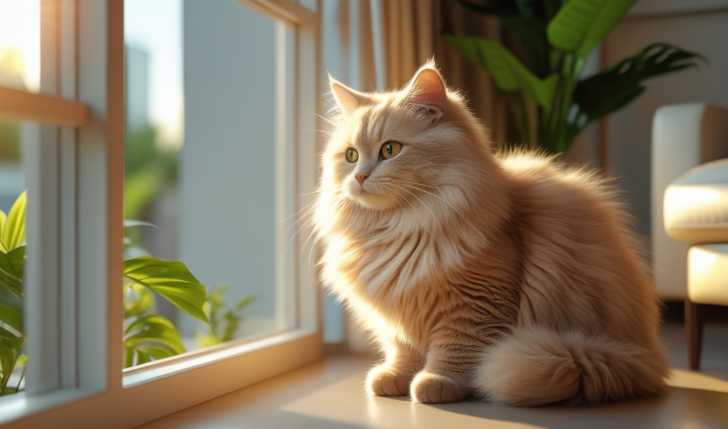
⭐ 1. Indoor Cats Are Living a “Silent Life”

Cats were originally hunters. Their natural routine included stalking, chasing, climbing trees, and exploring scents. But modern indoor cats spend most of the day in silence.
They don’t complain — but their mental stimulation slowly drops.
Common hidden signs of boredom:
- long blank staring
- sleeping too much
- sudden midnight zoomies
- chewing wires or small objects
These behaviors are soft signals saying: “I’m mentally bored.”
⭐ 2. Modern Homes Have Less Natural Light & Fewer Hiding Spots
New apartments often have dark corners, limited sunlight, fewer shelves, and restricted balconies.
Cats naturally love:
- sunlit nap areas
- high view points
- hidden cozy zones
Without these, indoor cats may become restless or irritated.
Small Fix: Place a chair beside a window. Even a simple cardboard box works as a “safe zone.”
⭐ 3. Phone Addiction Is Hurting Cat Attention Time
This is funny but true — most cat owners spend hours scrolling on TikTok, YouTube, or Instagram.
Your cat sits beside you thinking: “Hello? I exist.”
Cats may look independent, but they feel when your attention drifts away.
Try This: Give your cat 2 minutes of slow petting every time you put your phone down. Your bond becomes instantly stronger.
⭐ 4. Indoor Cats Eat More Because of Boredom
Like humans, cats also “snack” when bored. With nothing to do, they wander to the food bowl.
This leads to:
- weight gain
- slower movement
- dull mood
- extra frustration
Fun Enrichment Trick: Fill a toilet paper roll or a plastic bottle (with holes) with dry food. Now eating becomes a game — not a habit.
⭐ 5. Too Many Toys = No Interest
People buy more toys thinking it will prevent boredom — but cats quickly ignore toys when there’s:
- no scent
- no movement
- no challenge
Cats love experience, not quantity.
Tip: Rotate toys weekly. Hide one for 5 days → bring it out → your cat treats it like it’s brand new.
⭐ 6. Cats Need Controlled “Adventure Time”
Even a few minutes of exploration or challenge makes a huge difference.
Safe indoor adventures:
- let them explore a new room
- open a safe balcony for 5 minutes
- hide treats behind cushions
- use a laser pointer — but allow them to “catch” something at the end
These tiny activities reduce boredom fast.
⭐ 7. Cats Notice Emotional Energy
Cats can sense:
- when you’re sad
- when you’re angry
- when the home environment feels tense
They don’t understand the cause — they only feel it.
Some cats hide. Some become extra clingy.
A soft voice and gentle petting help calm their emotional stress.
💬 Final Thoughts
Indoor cats aren’t lazy — they’re under-stimulated. A few small changes can transform their mood and health.
Your cat doesn’t need expensive products. It needs:
- attention
- creative play
- sunlight
- small challenges
Happy cat = peaceful home. 🐱💛