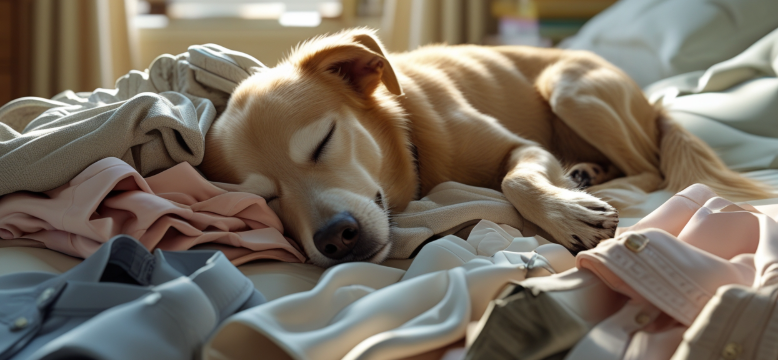
💛 When Your Dog Follows You Everywhere
Most dogs love staying close to their owners, but when your dog becomes extra clingy, sticks to you like glue, or refuses to leave your side even for a second, it usually means something deeper is going on.
Some dogs suddenly start following their owners from room to room, sleep near their feet, or get restless when left alone even for a few minutes.
This behavior is sweet — but it’s also a communication signal.

🔍 Common Reasons / Deep Causes
1️⃣ Separation Anxiety or Fear of Being Alone
Dogs are emotional creatures.
If your routine changes — like new job hours, school timing, or reduced attention — dogs fear being left alone.
They start sticking to you to ensure they’re not abandoned.
Signs:
- crying when you leave
- scratching doors
- pacing
- waiting right outside the bathroom
2️⃣ Sudden Environmental Changes 🏠
Dogs sense every change:
- moving to a new house
- new furniture
- new people
- new pets
- loud festivals or fireworks
When something feels unfamiliar, dogs look for security — and that’s you.
3️⃣ Health Discomfort or Pain 🤒
If dogs feel unwell, they search for comfort.
Even mild issues like:
- indigestion
- joint pain
- low energy
- minor fever
can push them to stay close.
They trust you more when they feel weak.
4️⃣ Aging or Cognitive Issues
Older dogs develop confusion, memory problems, or night anxiety.
They follow their owners more because it makes them feel safe.
5️⃣ Emotional Sensitivity
Some dogs are naturally more emotional.
Certain breeds (Labrador, Golden Retriever, Pug, German Shepherd, Chihuahua) are extra sensitive to owner emotions.
If you are stressed, anxious, sad, or tired — they can feel it and react with clinginess.
6️⃣ Weather Changes & Natural Instincts
Dogs feel storms, thunder, and even vibration changes before humans.
During such conditions, they stay close to owners for protection.
🏠 Long-Term Solutions to Reduce Clinginess Naturally
✔ 1. Build a “Comfort Spot”
Create a cozy space with:
- blanket
- toys
- soft light
- your old t-shirt (your scent calms them)
This helps them relax without needing to stick to you.
✔ 2. Maintain a Daily Routine
Dogs feel safe when they know what happens daily.
Set fixed times for:
- walking
- feeding
- play
- sleeping
Routine = reduced anxiety.
✔ 3. Practice “Short Separation Training”
Start by staying away for 2 minutes.
Then 5 minutes… then 10 minutes.
Show them that you always come back.
This trains their emotional stability.
✔ 4. Give Mental Engagement
A bored dog becomes clingy.
Use:
- puzzle toys
- chew sticks
- sniffing games
- short training sessions
These activities boost confidence.
✔ 5. Award Independent Behavior
When your dog sits alone, rests quietly, or plays without you — give a small treat.
This teaches independence.
🩺 When You Must Visit a Vet
Get professional help if clinginess comes with:
- sudden vomiting
- shaking
- no appetite
- excessive drooling
- aggressive behavior
- weakness or limping
A vet check ensures there’s no hidden medical cause.
🐾 Quick Daily Tip
Do NOT punish or shout at a clingy dog.
It increases anxiety — making the clinginess even worse.