
Introduction
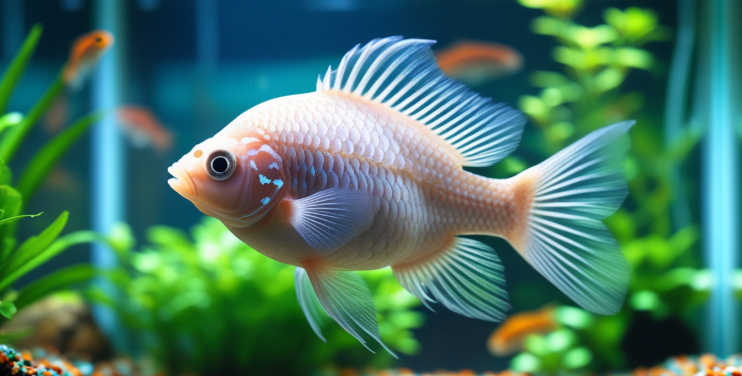
If you keep fish at home or enjoy watching them in ponds or aquariums, you may have noticed something worrying at times. A fish that was once bright and colorful suddenly starts looking pale or dull. Many pet owners panic when this happens, wondering if something serious is wrong. Others may ignore it, hoping the color will return on its own.
Fish color changes are more common than most people think. Just like humans can look tired or stressed, fish also show changes through their appearance. Color is one of their main ways of responding to their surroundings. Understanding why fish become pale helps pet owners feel calmer and respond in the right way without fear or confusion.
What This Behavior Is About
Fish becoming pale usually means they are reacting to changes around them.
Color loss is often temporary and linked to comfort, environment, or mood rather than something dangerous.
Main Reasons Fish Become Pale in Color
Stress From Sudden Changes
Fish are sensitive to change.
A new tank, new fish, or sudden movement can stress them.
Stress often causes colors to fade quickly.
Once calm returns, color may improve.
Change in Environment
Lighting changes can affect appearance.
Different backgrounds make colors look dull.
Water clarity can change how colors appear.
Fish may adjust over time.
Temperature Fluctuations
Fish react to temperature shifts.
Cold or warm changes can affect color.
Sudden temperature changes cause stress.
Stable conditions help maintain color.
Social Pressure From Other Fish
Some fish become pale when bullied.
Dominant fish can intimidate others.
Submissive fish often lose color.
Peaceful tanks help prevent this.
Natural Resting or Sleep State
Fish colors fade while resting.
At night, many fish look paler.
This is a normal resting response.
Colors return when active again.
Diet Changes
Color depends partly on diet.
Sudden food changes can affect brightness.
Balanced feeding supports healthy color.
Results show slowly over time.
Is Pale Color Normal or Something to Worry About?
In many cases, it’s normal.
Temporary paleness usually fixes itself.
If the fish is active and eating, it’s often fine.
Long-term paleness with behavior changes may need attention.
How Fish Use Color to Communicate
Color shows mood and comfort.
Bright colors often mean confidence.
Pale colors can signal stress or submission.
It’s part of how fish interact with their world.
What Pet Owners Can Do
Keep the environment stable.
Avoid sudden changes in water or decor.
Observe fish behavior daily.
Give fish time to adjust.
Maintain calm surroundings.
Common Myths vs Reality
Myth: Pale fish are always sick
Reality: Stress is often the reason
Myth: Color loss is permanent
Reality: Many fish regain color
Myth: Only weak fish fade
Reality: Any fish can become pale
FAQs
Why did my fish suddenly turn pale overnight?
Fish often become pale while resting or adjusting to changes.
Will my fish regain its color?
In most cases, yes, once conditions stabilize.
Should I separate a pale fish?
Only if bullying or aggression is present.
Conclusion
Fish become pale in color as a natural response to stress, environment changes, or rest. It doesn’t always mean something is wrong. Color is one of the main ways fish communicate how they feel, and fading is often temporary. By keeping their surroundings calm, stable, and familiar, most fish regain their natural colors over time. Paying attention without panic is the best approach. Sometimes, a little patience is all a fish needs to look bright and confident again.

Alright, time to check out ee11betcom. Hope the payouts are good. Always looking for a solid place to bet. Check it out and let me know what you think: ee11betcom
upz021