
Introduction
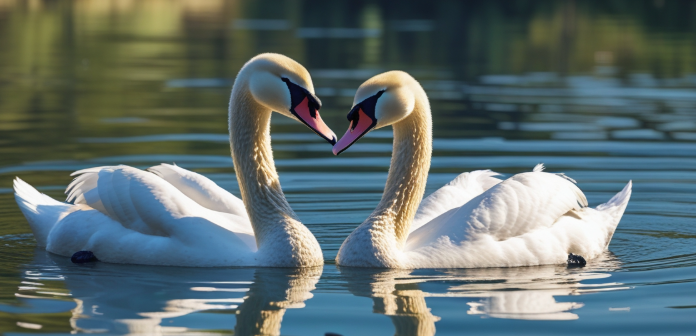
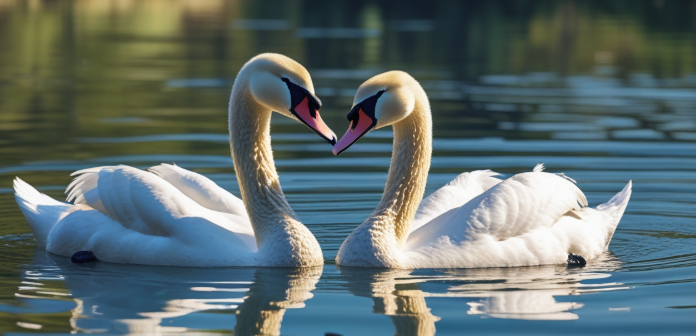
If you’ve ever seen two swans swimming side by side, moving in perfect sync, it’s hard not to notice how closely connected they seem. Many people first learn about swan pairs through photos, children’s stories, or calm moments near lakes and rivers. You might spot the same two swans year after year, always together, always protective of their space. This naturally makes people curious. Why do swans seem so loyal? Why don’t they drift apart like many other birds?
For nature lovers and casual observers alike, swans often feel like symbols of deep connection. But their strong pair bonds aren’t just about romance. These bonds are built through instinct, survival needs, and shared routines. Understanding why swans form such close partnerships helps us appreciate how animals rely on trust, teamwork, and consistency to thrive in the wild.
What This Behavior Is About
Swans form strong pair bonds where two birds choose each other and stay closely connected for long periods.
This bond helps them raise young, protect territory, and survive challenges together.
Main Reasons Swans Form Strong Pair Bonds
Shared Responsibility for Raising Young
Swans usually raise their young together.
Both parents protect the nest.
They guide and guard their cygnets as a team.
Having two parents increases safety and stability.
Better Protection From Threats
Swans can be very defensive.
A bonded pair can guard territory more effectively.
One swan can watch while the other feeds.
Teamwork helps keep predators away.
Trust Built Over Time
Swans spend many seasons together.
They learn each other’s habits.
This trust reduces conflict.
A stable bond saves energy and effort.
Efficient Use of Territory
Finding good nesting spots takes effort.
Staying with one partner avoids repeated searching.
They return to familiar places together.
This improves success year after year.
Social Structure and Routine
Swans thrive on routine.
Strong bonds create predictable behavior.
Predictability reduces stress.
Calm cooperation benefits both birds.
How Swans Choose Their Partners
Swans don’t rush into bonding.
They often spend time near potential partners.
They observe behavior and compatibility.
Once bonded, the connection grows stronger over time.
This slow process helps ensure stability.
Are Swans Bonded for Life?
Many swan pairs stay together for years.
Some bonds last a lifetime.
However, if a partner is lost, a swan may eventually form a new bond.
The strength of the bond depends on experience and environment.
Why Pair Bonds Matter for Survival
Raising young alone is difficult.
Shared duties improve success.
Strong bonds reduce unnecessary conflict.
Energy is saved for feeding and protection.
Together, swans handle challenges more effectively.
Is This Behavior Unique to Swans?
Other birds also form pair bonds.
But swans are especially consistent.
Their size and lifestyle benefit from cooperation.
Long-term bonding suits their slow, steady way of life.
Is Strong Pair Bonding Something to Worry About?
No, it’s completely natural.
It’s a healthy and beneficial behavior.
It shows good adaptation to their environment.
Strong bonds help maintain stable populations.
What Humans Can Learn From Swan Pair Bonds
Consistency builds trust.
Shared responsibility strengthens relationships.
Calm cooperation reduces conflict.
Strong connections support long-term success.
Nature often favors teamwork over competition.
Common Myths vs Reality
Myth: Swans bond only out of romance
Reality: Survival and teamwork play a big role
Myth: Swans never change partners
Reality: They may rebond if needed
Myth: Bonding makes swans weak
Reality: It makes them stronger together
FAQs
Do swans feel emotions like humans?
They form strong attachments but experience them differently.
Can a single swan survive alone?
Yes, but life is easier with a partner.
Why do swans stay so close physically?
Closeness strengthens coordination and trust.
Conclusion
Swans form strong pair bonds because working together gives them a better chance at survival and success. These bonds are built on trust, routine, and shared responsibility rather than simple affection. By staying with one partner, swans reduce stress, protect their territory more effectively, and raise their young with greater care. Their behavior reminds us that in nature, long-lasting partnerships often exist for practical reasons. Still, watching a bonded pair glide across the water offers a peaceful reminder of how powerful cooperation can be.