Introduction
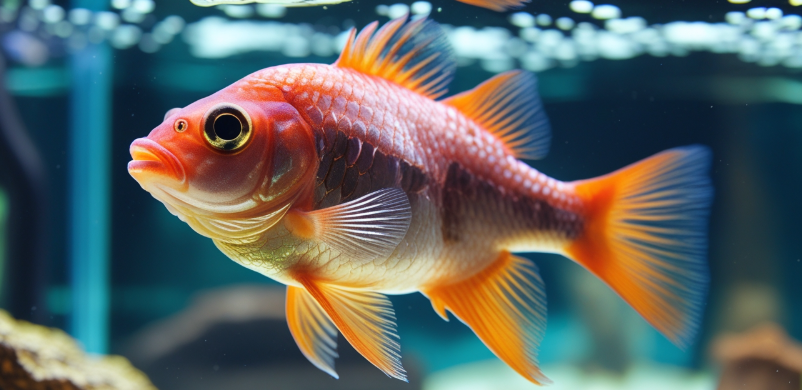
If you’ve ever watched your fish closely, you may have noticed moments when they seem to breathe faster than usual. Their mouths open and close quickly, and their gills move more than normal. For many fish owners, this can be worrying. You might wonder if the fish is stressed, uncomfortable, or trying to tell you something is wrong.
In most cases, faster breathing in fish is a normal response to changes around them. Fish don’t breathe like humans, so small environmental shifts can affect how quickly they move their gills. Understanding why fish breathe faster sometimes can help you stay calm, observe better, and keep your aquarium a comfortable place for them.
What This Behavior Is About
Fish breathe faster to adjust to their environment.
Their gills respond quickly to changes in water conditions, activity levels, and surroundings. Faster breathing is often a temporary adjustment, not a problem.
Main Reasons Fish Breathe Faster
Increased Activity or Excitement
Fish breathe faster after movement.
Swimming quickly, chasing food, or exploring the tank raises their energy use. Faster breathing helps meet that demand.
It’s similar to catching your breath.
Water Temperature Changes
Warm water affects breathing.
As water gets warmer, it holds less oxygen. Fish may breathe faster to get what they need.
They are adapting.
Stress or Sudden Changes
Fish notice changes quickly.
New tank mates, loud vibrations, or sudden light changes can make fish anxious. Faster breathing can follow.
Stress shows physically.
Low Oxygen Levels
Fish depend on oxygen in water.
If oxygen levels drop, fish increase gill movement to compensate. This often improves once conditions stabilize.
Their bodies respond fast.
Resting but Staying Alert
Even at rest, fish stay aware.
Sometimes faster breathing happens when fish are calm but alert, especially in new environments.
Awareness matters.
Is This Normal or Something to Worry About?
Occasional fast breathing is normal.
If your fish returns to normal breathing after a short time and continues eating and swimming normally, there’s usually no need to worry.
Long-lasting changes deserve attention.
What Fish Owners Can Learn or Do
Watch patterns, not moments.
Make sure the tank is clean, water changes are regular, and fish are not overcrowded. A stable environment helps breathing stay steady.
Consistency supports health.
Common Myths vs Reality
Myth: Fast breathing always means sickness
Reality: Often it’s a normal adjustment.
Myth: Fish breathe faster only when stressed
Reality: Activity and temperature matter too.
Myth: All fish breathe at the same rate
Reality: Breathing varies by species and situation.
Myth: Fish should always breathe slowly
Reality: Changes are normal.
Frequently Asked Questions
Why does my fish breathe faster after feeding?
Eating and movement increase oxygen needs.
Do fish breathe faster at night?
Some do, depending on activity and environment.
Should I panic if I see fast gill movement?
Observe calmly before reacting.
Conclusion
Fish breathe faster sometimes because their bodies are responding to changes around them. Activity, temperature, and environment all play a role in how quickly their gills move. In most cases, this behavior is completely normal and temporary.
By watching your fish closely and maintaining a steady, clean tank, you can support comfortable breathing and reduce unnecessary stress. Faster breathing is often just a sign that your fish is adjusting, staying alert, or using energy—another reminder that even quiet aquarium life is full of subtle movement and response.