Introduction
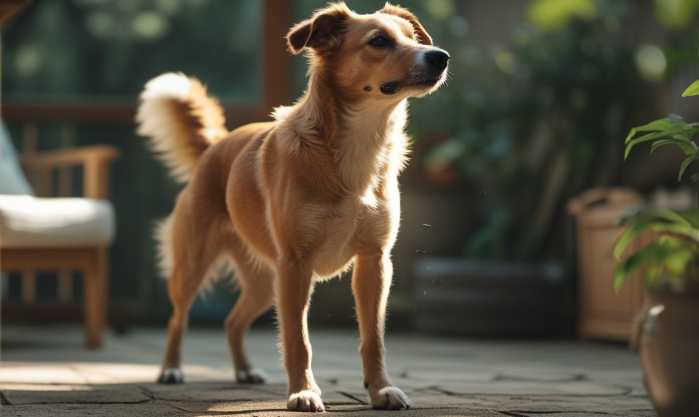
You’ve probably seen this many times. Your dog wakes up from a nap, stands still for a second, and then suddenly shakes their whole body from head to tail. Ears flap, fur moves, and then they calmly walk away as if nothing happened. For many dog owners, this moment brings curiosity. Is the dog cold? Is something irritating their skin? Or is it just a habit?
In most cases, this body shake after resting is completely normal. Dogs have been doing this long before they lived in homes with humans. It’s a simple action, but it serves several useful purposes. Understanding why dogs shake their body after resting can help you feel reassured and more connected to your dog’s natural behavior.
What This Behavior Is About
Body shaking after resting is a natural reset action.
It helps dogs transition from rest to activity by refreshing their body and senses. It’s quick, effective, and instinctive.
Main Reasons Dogs Shake After Resting
Releasing Muscle Tension
Dogs relax deeply when they rest.
After lying still for a while, muscles can feel stiff. Shaking helps loosen them up quickly and comfortably.
It’s like a stretch.
Resetting the Nervous System
Rest puts dogs into a calm state.
Shaking helps them shift from relaxation to alertness. It clears that sleepy feeling and prepares them to move.
A natural reset.
Removing Dust or Loose Fur
Even indoors, dogs collect dust and loose hair.
Shaking helps get rid of small particles that settle on their coat while resting.
Clean and fresh feels better.
Habit Passed Through Instinct
Wild dogs and ancestors did this too.
After resting, shaking prepared them to move fast if needed. That instinct still remains in modern dogs.
Old habits stay.
Emotional Release
Dogs feel emotions in their bodies.
Shaking can release mild stress or excitement, especially after a deep rest or sudden noise.
It brings balance.
Is This Normal or Something to Worry About?
Yes, it’s completely normal.
A brief, full-body shake after resting is healthy behavior. It becomes a concern only if shaking happens repeatedly, lasts long, or is paired with discomfort.
Short and occasional is normal.
What Dog Owners Can Learn or Do
Let your dog shake freely.
It’s their way of adjusting their body. Make sure resting areas are comfortable and clean so your dog feels relaxed.
Observation is enough.
Common Myths vs Reality
Myth: Dogs shake because they are cold
Reality: Shaking often happens even in warm rooms.
Myth: It means skin problems
Reality: Occasional shaking is normal.
Myth: Dogs do it out of habit only
Reality: It serves physical and mental purposes.
Myth: Shaking means something is wrong
Reality: Most of the time, it’s healthy.
Frequently Asked Questions
Why does my dog shake after every nap?
It helps reset muscles and alertness.
Do all dogs do this?
Most dogs do, though frequency varies.
Should I stop my dog from shaking?
No, it’s natural and helpful.
Conclusion
Dogs shake their body after resting as a simple and natural way to reset themselves. It loosens muscles, refreshes their senses, and helps them move smoothly from rest to activity. What looks like a quick shake to us is actually a smart and efficient behavior shaped by instinct.
As long as your dog seems comfortable and happy, there’s no reason to worry. These small actions are part of what makes dogs expressive and fascinating companions. The next time your dog shakes after a nap, you’ll know it’s just their way of saying, “I’m ready to go.”