Introduction
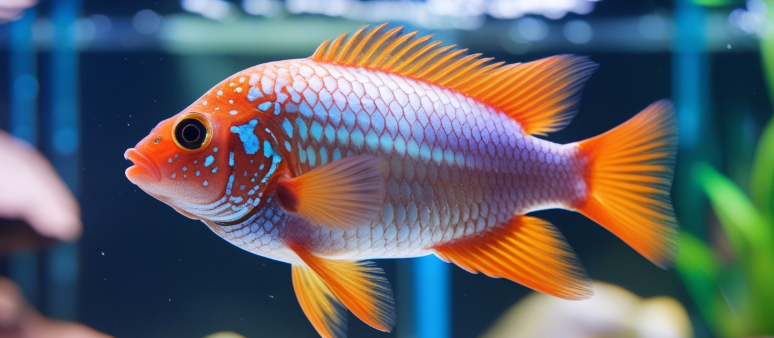
You’re looking at your aquarium like you always do, and something feels off. A fish that was bright and colorful yesterday now looks pale, darker, or even spotted. Sometimes the change happens so fast that it feels almost overnight. For many fish owners, this can be worrying and confusing.
Fish don’t have faces that show emotion clearly, so color becomes one of the few visible signs that something has changed. Seeing sudden color shifts often leads people to assume the worst. But in many cases, the reason is simple and natural.
Fish use color as a way to respond to their surroundings, moods, and daily rhythms. While sudden color changes can sometimes signal stress, they can also be completely normal. Understanding why fish change color helps owners stay calm and respond in the right way.
What This Behavior Is About
Color change is a form of communication.
Fish use their color to react to light, mood, surroundings, and other fish. Their skin can adjust quickly depending on what they sense around them.
This ability helps fish survive and adapt in both wild and home environments.
Main Reasons Fish Change Color Suddenly
Stress or Feeling Threatened
Stress is one of the most common causes.
Sudden movements, tapping on the glass, loud sounds, or changes in the room can make fish feel unsafe. When stressed, many fish lose color or become darker.
It’s their natural reaction to danger.
Changes in Lighting
Lighting affects fish more than we realize.
Turning lights on or off suddenly can cause fish to change color quickly. Bright light may make colors fade, while dim lighting can deepen them.
Fish need time to adjust to light changes.
Mood and Social Interaction
Fish respond to each other emotionally.
When fish feel dominant, excited, or defensive, their colors may intensify. During calm or submissive moments, colors may fade.
This is common when new fish are added to the tank.
Natural Resting or Sleeping State
Many fish change color at night.
While resting, fish often become paler or duller. This helps them blend in and feel safer.
By morning, their usual colors often return.
Environment and Background
Fish adjust to their surroundings.
Tank decorations, substrate color, and background can influence how fish appear. Some fish darken or lighten their color to match their environment.
This helps them feel less exposed.
Diet and General Condition
Food affects color over time.
If a fish hasn’t been eating well or feels unsettled, its color may fade. Once feeding and comfort return to normal, color often improves.
This change isn’t instant, but it can happen gradually.
Is This Normal or Something to Worry About?
Occasional color changes are normal.
If the fish is active, eating, and behaving normally, there’s usually no reason to worry. Many color changes are temporary.
However, if the color change is sudden and stays for a long time along with unusual behavior, it’s a sign to look more closely at the environment.
What Fish Owners Can Learn or Do
Observation is key.
Keep the environment calm and predictable. Avoid sudden movements near the tank and make lighting changes slowly.
Maintain a steady routine for feeding and tank care. Fish thrive on consistency.
If a color change happens, give the fish time before reacting. Many times, the color returns on its own.
Common Myths vs Reality
Myth: Color change always means illness
Reality: Many changes are natural and temporary.
Myth: Bright colors mean happiness
Reality: Brightness can reflect mood or dominance.
Myth: Fish should never change color
Reality: Many species change color regularly.
Myth: Pale color means poor care instantly
Reality: Short-term changes can happen even in good tanks.
Frequently Asked Questions
Do all fish change color?
No, but many species do to some degree.
Can stress cause permanent color change?
Usually no, if stress is removed.
Do fish change color when sleeping?
Yes, many fish become paler while resting.
Conclusion
Fish change color suddenly for many reasons, and not all of them are bad. Stress, light, mood, rest, and surroundings all play a role in how a fish looks at any moment. Color is one of the few ways fish communicate how they’re feeling, even when everything else seems quiet.
For fish owners, the best response is calm observation. Sudden color changes often fix themselves once the fish feels safe and settled again. By keeping the environment steady and peaceful, you help your fish show its best colors naturally—without worry or panic.