Introduction

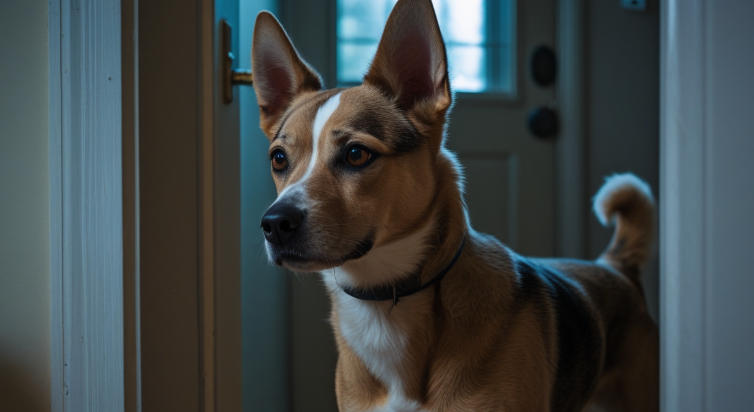
Every morning, people passed the same street corner and saw the same sight. A dog sat quietly near a bench, eyes fixed on the road, barely moving except to shift positions as the sun changed. Day after day, the dog returned to the exact same spot. Rain soaked the pavement. Heat shimmered off the ground. Crowds came and went. Still, the dog waited.
At first, locals assumed the owner would come back soon. Maybe the person was late. Maybe something unexpected had happened. But days turned into weeks, and weeks turned into months. The dog didn’t wander far. It didn’t beg aggressively or chase after strangers. It simply waited.
This story slowly spread through the neighborhood. People began leaving water, food, and shade. Some tried to take the dog home, but it always found its way back. What kept this dog tied to one place for so long wasn’t confusion or stubbornness. It was loyalty shaped by memory, routine, and hope.
What This Story Is About
This is a story of a dog holding onto a familiar place because it represented someone important.
The spot wasn’t random. It was where the dog last saw its owner. In the dog’s mind, staying there made sense. If the owner left from that place, that’s where they would return.
For dogs, places are deeply connected to people. Waiting wasn’t a plan—it was instinct.
How the Dog Ended Up Waiting There
Witnesses later shared that the owner used to sit on that bench every evening.
The dog stayed close, calmly watching cars pass while the owner talked to neighbors or rested. One day, the owner left and didn’t come back. No one knows exactly why.
The dog returned the next day, just like always. When the owner didn’t appear, the dog stayed longer. Then it came back again the next morning.
Before anyone realized what was happening, the waiting had become a routine.
Why the Dog Stayed in the Same Spot
Strong Memory of Place
Dogs have powerful memory when it comes to familiar locations.
That bench and street corner were tied to safety, routine, and companionship. In the dog’s mind, leaving that place meant risking missing the owner’s return.
Staying felt like the right choice.
Loyalty and Attachment
Dogs form deep emotional bonds.
When that bond is suddenly broken, dogs don’t immediately move on. Waiting becomes a way of staying connected.
The dog wasn’t refusing help—it was holding onto hope.
Routine Became Purpose
Dogs rely heavily on routine.
Returning to the same spot every day gave the dog structure. It provided a sense of purpose when everything else changed.
Without the owner, the routine was all the dog had left.
Comfort in the Familiar
Even without shelter, the familiar surroundings felt safer than new places.
The smells, sounds, and sights were known. New environments can feel overwhelming to dogs who are already unsettled.
Staying put felt calmer than wandering.
How the Community Responded
As the story spread, people began to look out for the dog.
Shop owners placed bowls of water nearby. Someone brought a piece of cardboard for shade. Others checked in quietly, not wanting to disturb the dog.
A few kind-hearted people tried to adopt it, but each time the dog gently slipped away and returned to the waiting spot.
Eventually, animal helpers stepped in—not to force the dog away, but to make sure it stayed safe and fed while still respecting its attachment.
Is This Normal Dog Behavior?
Yes, as heartbreaking as it seems, this behavior is not unusual.
Dogs often wait in places tied to strong memories. They don’t understand time the way humans do. Days and months don’t feel the same to them.
What matters is the connection. If the dog believes the owner may return, waiting feels logical.
What This Story Teaches Pet Owners
This story reminds us how deeply dogs bond with their people.
For dogs, owners are not just caretakers—they are anchors. Sudden separation can leave dogs confused and emotionally stuck.
It also shows how small acts of kindness matter. The community didn’t rush the dog or treat it as a problem. They gave it space, patience, and care.
Sometimes, understanding is the greatest help we can offer animals.
Common Myths vs Reality
Myth: The dog stayed because it was stubborn
Reality: The dog stayed because of attachment and memory.
Myth: Dogs forget owners quickly
Reality: Dogs can remember people and places for a very long time.
Myth: The dog didn’t want help
Reality: It wanted familiarity more than change.
Myth: Only trained dogs show loyalty
Reality: Loyalty comes naturally to many dogs.
Frequently Asked Questions
Why didn’t the dog follow someone else home?
The dog was emotionally attached to that specific place and person.
Can dogs really wait for months?
Yes, dogs don’t measure time the way humans do.
Is it cruel to let a dog keep waiting?
Care must balance safety with emotional comfort. Gentle support matters.
Conclusion
The dog that waited for months at the same spot wasn’t acting out of confusion or fear. It was following memory, loyalty, and hope. That place represented love, safety, and a bond that hadn’t faded, even with time.
Stories like this remind us that dogs experience attachment deeply and sincerely. They don’t move on quickly because, to them, connection is everything. While the ending may be uncertain, the message is clear: loyalty doesn’t need words, and sometimes, waiting is a dog’s way of holding on to love.