Introduction

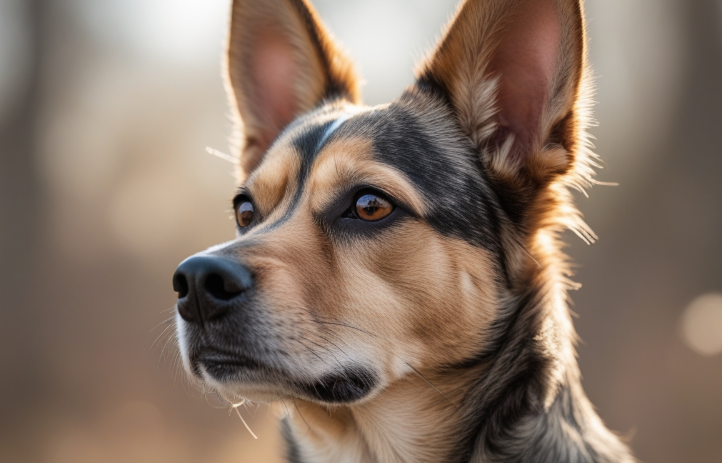
Almost every dog owner has seen this moment. You’re talking to your dog, maybe asking a question or calling their name, and suddenly their head tilts to the side. Their ears shift, their eyes focus, and they look both curious and adorable. It often feels like they’re trying to understand every word you’re saying.
This head tilt usually gets an immediate reaction from humans. We smile, laugh, or talk more, which only makes the dog do it again. But while it looks cute, this behavior isn’t just for show.
Dogs tilt their heads for practical reasons linked to listening, learning, and understanding their world. Once you know why it happens, you’ll see it less as a cute trick and more as a sign that your dog is paying close attention to you.
What This Head-Tilting Behavior Is About
Dogs experience the world differently than humans. They rely heavily on sound, body language, and tone rather than words alone.
When you speak, your dog is trying to collect as much information as possible. The head tilt helps them adjust how they hear and see you. It’s part of how they process what’s happening.
This behavior is most common during direct interaction, especially when you’re speaking in a clear, focused way.
Main Reasons Dogs Tilt Their Head When You Talk
Listening More Carefully
Dogs have very sensitive hearing, but sound doesn’t always reach both ears the same way. Tilting the head helps them adjust the angle of their ears.
By doing this, they can better pinpoint where a sound is coming from and pick up subtle differences in tone or pitch. This is especially helpful when you’re saying something new or unusual.
Your dog is essentially fine-tuning their listening.
Trying to Understand Familiar Words
Dogs can learn many words over time, especially names, commands, and daily routines. When they hear a word they recognize or almost recognize, they may tilt their head.
This movement often happens when a dog is trying to match the sound they hear with a memory. Words like “walk,” “treat,” or their own name often trigger this reaction.
The head tilt shows mental effort, not confusion.
Reading Your Facial Expressions
Dogs don’t just listen—they watch closely. Your face provides important clues about what you mean and how you feel.
Tilting the head can help your dog get a clearer view of your face, especially if their snout blocks part of their vision when they look straight ahead.
This helps them read your expressions and body language more accurately.
Responding to Tone and Emotion
Dogs are very good at picking up emotional cues in human voices. A happy, excited tone sounds very different from a serious or calm one.
When you change your tone, your dog may tilt their head to focus on the emotional meaning rather than the words themselves.
They’re not just hearing you—they’re feeling what you’re expressing.
Positive Reinforcement From Humans
Many dogs learn that head tilting gets a strong response from people. Smiles, laughter, praise, or extra attention often follow.
Over time, dogs may repeat the behavior because it leads to positive interaction. This doesn’t mean it’s fake—it just becomes part of their communication.
Dogs are excellent at learning what makes humans engage with them.
Curiosity About Unusual Sounds
If you use a new word, make a strange noise, or speak in a different voice, your dog may tilt their head out of curiosity.
They’re trying to figure out whether the sound matters and how they should respond. This is especially common with puppies or very alert dogs.
The head tilt helps them focus on something unfamiliar.
Why Some Dogs Tilt Their Heads More Than Others
Not all dogs tilt their heads equally. Some do it often, while others rarely do.
Dogs that are highly attentive, emotionally bonded, or trained to listen closely tend to show this behavior more. Breeds known for strong human focus may tilt their heads more often, but personality matters most.
Dogs with long snouts may also tilt more to adjust their view, while dogs with flatter faces may not need to.
Is This Normal or Something to Worry About?
Head tilting during conversation is completely normal and healthy. It’s a sign of engagement and attention.
However, it’s important to notice context. If a dog tilts their head constantly, even when not interacting, or shows signs of imbalance, that’s different.
The head tilt described here happens briefly, during listening or interaction, and stops afterward. In that case, there’s nothing to worry about.
What Dog Owners Can Learn or Do
When your dog tilts their head, it’s a good moment to communicate clearly. Speak calmly, use consistent words, and maintain eye contact.
Positive interaction during these moments strengthens your bond. Praise your dog gently or respond with a calm tone.
If you want to encourage listening, keep commands simple and consistent. Dogs learn best when sounds, words, and actions stay predictable.
Most importantly, enjoy the moment. It’s a sign your dog is tuned in to you.
Common Myths vs Reality
Myth: Dogs tilt their heads because they’re confused
Reality: It often means they’re concentrating, not confused.
Myth: All dogs do this equally
Reality: Frequency varies based on personality, focus, and experience.
Myth: Dogs are copying human behavior
Reality: The behavior helps with listening and viewing, not imitation.
Myth: Head tilting is trained behavior only
Reality: It’s natural, though positive reactions can reinforce it.
Frequently Asked Questions
Why does my dog tilt their head only for certain words?
Those words are likely familiar or exciting, triggering focused listening.
Do puppies tilt their heads more than adult dogs?
Often yes. Puppies are learning and exploring sounds constantly.
Should I reward my dog when they tilt their head?
Gentle praise is fine, but there’s no need to train the behavior intentionally.
Conclusion
Dogs tilt their heads when you talk because they’re listening closely, watching your face, and trying to understand both your words and emotions. It’s a natural behavior that shows attention, curiosity, and connection.
Rather than being a trick or a sign of confusion, head tilting is part of how dogs communicate and learn. It reflects the strong bond between dogs and humans, built on listening and trust. The next time your dog tilts their head while you speak, you’ll know they’re not just being cute—they’re truly paying attention.